

Clicky

Gas

Dog with healthy digestion free from gas and bloating discomfort

How Can I Help My Dog with Excessive Gas and Bloating?

How Can I Help My Dog with Excessive Gas and Bloating?

Dog gas and bloating affect countless households, creating embarrassing social situations and indicating potential digestive issues that compromise your dog’s comfort and health. When dogs experience excessive flatulence and bloating, these symptoms signal that something in their digestive process isn’t working optimally—whether due to poor-quality ingredients, food sensitivities, rapid eating habits, or insufficient digestive enzyme and bacterial support. Understanding the causes of dog gas and bloating empowers pet owners to make dietary adjustments that can dramatically improve their dog’s digestive comfort while eliminating those notorious room-clearing moments that make guests question their decision to visit.

Dog gas and bloating don’t just cause social discomfort—they indicate that your dog’s digestive system struggles to properly break down and absorb nutrients from their food. Excessive gas production occurs when undigested food particles reach the large intestine where bacteria ferment them, producing hydrogen, methane, and other gases that must be expelled. Bloating represents gas accumulation in the stomach or intestines, causing visible abdominal distension and discomfort. While occasional gas is normal in all dogs, persistent or excessive flatulence accompanied by bloating suggests dietary factors or digestive dysfunction requiring attention to prevent potential complications and improve your dog’s quality of life.

Understanding the Causes of Dog Gas and Bloating

Dog gas and bloating stem from multiple potential causes, with diet-related factors being among the most common and easily modifiable. Low-quality proteins that are difficult to digest pass through the small intestine incompletely broken down, arriving in the large intestine where resident bacteria ferment these protein fragments, producing foul-smelling gases. Similarly, certain carbohydrates—particularly those from corn, soy, wheat, and some legumes—contain complex sugars and fibers that dogs lack sufficient enzymes to digest, leading to bacterial fermentation and excessive gas production.

Food intolerances and sensitivities contribute significantly to dog gas and bloating, with many dogs reacting to specific ingredients by developing inflammation, altered gut motility, or disrupted digestion that increases gas production. According to veterinary gastroenterology research cited by the American Kennel Club, rapid eating habits cause dogs to swallow excessive air (aerophagia), which contributes to both gas and bloating. Dogs who gulp their food without adequate chewing also fail to initiate proper digestive processes in the mouth, compounding digestive challenges further along the gastrointestinal tract.

Certain breeds face increased susceptibility to gas and bloating issues—brachycephalic breeds like Bulldogs, Pugs, and Boston Terriers tend to swallow more air due to their facial structure, while deep-chested breeds like Great Danes, German Shepherds, and Standard Poodles show elevated risk for gastric dilatation-volvulus (bloat), a life-threatening condition distinct from simple gas-related bloating. Understanding your dog’s individual risk factors helps guide appropriate dietary choices and feeding practices.

The Role of Digestibility in Reducing Dog Gas and Bloating

Highly digestible ingredients represent the foundation for reducing dog gas and bloating, as proteins and carbohydrates that break down efficiently in the small intestine leave minimal residue for bacterial fermentation in the large intestine. Protein digestibility varies significantly among sources—whole meat proteins like chicken, turkey, and fish typically demonstrate digestibility rates of 85-95%, while some plant proteins and meat by-products may achieve only 60-75% digestibility. This difference means that less digestible proteins leave substantially more undigested material to ferment and produce gas.

High-quality protein sources undergo gentle processing that preserves amino acid availability and digestibility, ensuring maximum nutrient absorption in the small intestine where it belongs. When dogs consume easily digestible proteins paired with appropriate carbohydrate sources like rice—which provides readily digestible energy without excessive fermentable fiber—the digestive system works efficiently with minimal gas production. The classic combination of chicken and rice has long been recommended by veterinarians for dogs with digestive upset precisely because both ingredients offer exceptional digestibility and minimal fermentation potential.

Ingredients That Promote Dog Gas and Bloating

Certain common dog food ingredients contribute disproportionately to gas and bloating issues, making their elimination particularly beneficial for dogs with sensitive digestive systems. Soy, corn, and wheat—frequent fillers in commercial dog foods—contain complex carbohydrates and proteins that many dogs struggle to digest completely. Soy contains oligosaccharides that dogs lack enzymes to break down, leading to substantial gas production. Corn provides primarily starch with limited nutritional value, and when poorly digested, becomes fuel for gas-producing bacteria in the colon.

Artificial additives including preservatives, colors, and flavors may disrupt normal gut bacteria balance and trigger inflammatory responses in the digestive tract, both of which can increase gas production and bloating. Rendered fats and low-quality meat by-products may contain difficult-to-digest components or potential contaminants that further compromise digestive efficiency. Dogs consuming diets high in these problematic ingredients often experience chronic gas and bloating that resolves dramatically when switched to cleaner, more digestible formulations.

Probiotics and Prebiotics: Supporting Healthy Digestion in Dogs

The gut microbiome—the diverse community of bacteria, fungi, and other microorganisms inhabiting the digestive tract—plays crucial roles in digestion, nutrient production, and gas management. Probiotics are beneficial bacteria that support healthy microbiome balance, improving digestion efficiency and reducing production of foul-smelling gases. Specific probiotic strains help break down complex carbohydrates, synthesize vitamins, support immune function, and compete with gas-producing bacteria for resources and attachment sites in the intestines.

Prebiotics are specialized plant fibers that serve as food for beneficial gut bacteria, promoting their growth and activity. While they aren’t digested by the dog directly, prebiotics nourish probiotic bacteria, helping them thrive and outcompete potentially problematic microorganisms. The combination of probiotics and prebiotics—sometimes called “synbiotics”—provides both the beneficial bacteria and the fuel they need to flourish, creating optimal conditions for efficient digestion with minimal gas and bloating.

Research in veterinary nutrition demonstrates that dogs receiving probiotic supplementation often show improved digestive function, firmer stools, reduced gas production, and better nutrient absorption. The effects aren’t instantaneous—it typically takes 2-4 weeks of consistent probiotic intake for gut microbiome changes to produce noticeable improvements in gas and bloating symptoms. Maintaining probiotic intake long-term sustains these benefits and supports overall digestive health throughout your dog’s life.

Gourmet Pet Chef’s Digestive-Friendly Formulations

At Gourmet Pet Chef, we formulate our foods specifically to support optimal digestion and minimize gas and bloating issues. Our chicken kibble features highly digestible proteins including deboned chicken, chicken meal, and fish meal that provide exceptional nutrient bioavailability with minimal fermentation potential. We exclude common gas-promoting ingredients—no corn, no soy, no wheat, no artificial preservatives or additives—that compromise digestive efficiency in sensitive dogs.

Our formulation includes multiple probiotic strains delivered through dried fermentation products: Lactobacillus acidophilus, Lactobacillus casei, Enterococcus faecium, Bacillus subtilis, Bacillus licheniformis, and Bacillus coagulans. These beneficial bacteria support healthy gut microbiome balance, improving digestion and reducing gas production. Additionally, our kibble contains prebiotic fibers from ingredients like dried beet pulp and brewers dried yeast that nourish probiotic bacteria, creating optimal conditions for efficient, gas-free digestion.

Our Chef Prepared fresh food offers the classic highly digestible combination of chicken and basmati rice—both exceptionally easy to digest—along with simple vegetable ingredients and yogurt, which provides natural probiotics to support gut health. This minimalist ingredient approach reduces potential triggers for gas and bloating while providing complete nutrition through high-quality, whole food sources.

Customized Nutrition for Dogs with Persistent Gas and Bloating

While our standard formulations benefit most dogs with gas and bloating issues, some dogs require individualized approaches addressing specific sensitivities or digestive challenges. Dogs who struggle with chicken protein can access our alternative protein options including turkey and beef recipes that maintain the same digestive-friendly philosophy with different protein sources suited to individual tolerances.

For dogs with complex digestive issues or those requiring targeted interventions for persistent gas and bloating, our customizable food options allow for precise modifications based on your dog’s specific needs. If your dog continues experiencing excessive gas and bloating despite dietary improvements, contact Gourmet Pet Chef to discuss custom formulations specifically designed for your dog’s digestive system and sensitivities. Our nutrition experts can help identify potential triggers and develop meal plans that maximize digestibility while supporting optimal gut health.

When veterinarians diagnose specific digestive conditions requiring therapeutic diets for gas and bloating management, our prescription food services can accommodate these recommendations while maintaining the high-quality, easily digestible ingredients that characterize all Gourmet Pet Chef formulations.

Additional Strategies for Managing Dog Gas and Bloating

Beyond dietary modifications, several feeding practice adjustments can significantly reduce gas and bloating in susceptible dogs. Feeding smaller, more frequent meals rather than one or two large daily portions reduces the volume of food the digestive system must process at once, improving digestion efficiency and reducing gas production. Using slow-feeder bowls or puzzle feeders encourages dogs to eat more slowly, reducing air swallowing and promoting better chewing that initiates proper digestion.

pexels lea navidi 2786130 4327909

Elevating food bowls to shoulder height may help some dogs swallow less air during eating, though this practice remains controversial for deep-chested breeds at risk for gastric dilatation-volvulus. Avoiding exercise immediately before and after meals allows proper digestion without the mechanical disruption that can increase gas production or bloating risk. If your dog continues experiencing significant gas and bloating despite comprehensive dietary management, contact Gourmet Pet Chef for additional guidance and to explore whether further nutritional customization might benefit your dog’s specific situation. Most dogs experience dramatic improvements in gas and bloating when switched to highly digestible, probiotic-rich diets free from common fermentation-promoting ingredients—allowing both dogs and their families to enjoy more comfortable, odor-free time together.

How Can I Help My Dog with Excessive Gas and Bloating? Read More »
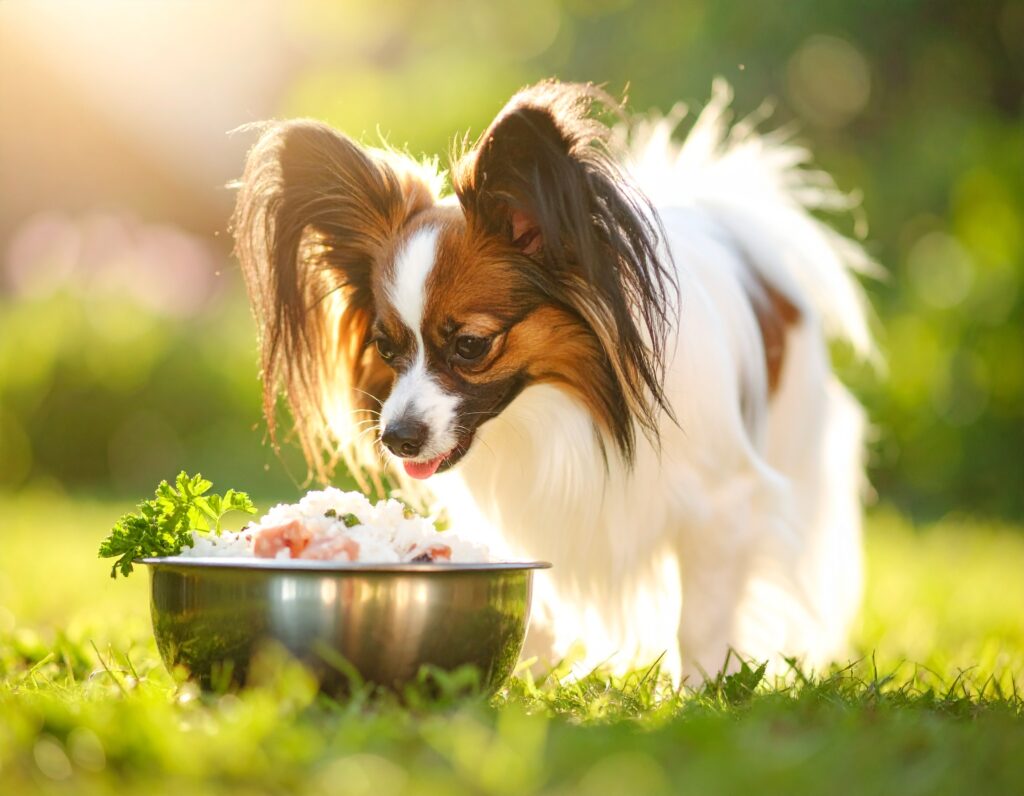
How Can I Help My Dog with Digestive Problems and Stomach Issues?

How Can I Help My Dog with Digestive Problems and Stomach Issues?

Dog digestive problems affect countless pets worldwide, causing distress for both dogs and their concerned owners who watch their beloved companions struggle with uncomfortable symptoms like diarrhea, constipation, excessive gas, and occasional vomiting. These digestive issues can range from mild, occasional stomach upset to chronic conditions that significantly impact a dog’s quality of life, energy levels, and overall health. Understanding that dog digestive problems often stem from dietary factors gives pet owners powerful tools to address these issues through proper nutrition and ingredient selection.

Many pet owners don’t realize that dog digestive problems can be largely prevented and managed through careful attention to food quality, ingredient selection, and feeding practices. The canine digestive system is remarkably sensitive to changes in diet, artificial additives, and low-quality ingredients that can disrupt the delicate balance of gut bacteria and intestinal function. When dogs experience chronic digestive problems, their bodies struggle to absorb essential nutrients properly, leading to secondary health issues that compound the original problem and create a cycle of poor digestive health.

Common Causes of Dog Digestive Problems

Dog digestive problems typically arise from several interconnected factors, with poor-quality commercial dog foods being one of the primary culprits. Many mass-produced dog foods contain artificial preservatives, colors, and flavors that can irritate sensitive digestive systems and trigger inflammatory responses in the gastrointestinal tract. Low-quality protein sources, excessive fillers like corn and wheat, and chemical preservatives create an environment where beneficial gut bacteria struggle to thrive, leading to chronic digestive problems that manifest as loose stools, gas, and stomach discomfort.

Food allergies and sensitivities represent another significant cause of dog digestive problems, as immune reactions to specific ingredients can cause inflammation throughout the digestive tract. Rapid diet changes, stress, bacterial overgrowth, and underlying medical conditions also contribute to digestive issues in dogs. According to veterinary gastroenterologists at the American College of Veterinary Internal Medicine, inflammatory bowel disease affects up to 1% of all dogs and often presents as chronic digestive problems that require specialized dietary management.

The Role of Easily Digestible Ingredients in Managing Dog Digestive Problems

Easily digestible ingredients form the cornerstone of effective management for dog digestive problems, with chicken and rice being two of the most gentle and well-tolerated options for sensitive stomachs. Chicken provides high-quality, complete protein that’s easily broken down and absorbed by the digestive system, while white rice offers readily available carbohydrates that provide energy without causing digestive stress. These ingredients have been used by veterinarians for decades as the foundation of bland diets prescribed for dogs recovering from digestive problems.

The gentle nature of chicken and rice makes them ideal for dogs experiencing acute digestive problems, as these ingredients are less likely to trigger inflammatory responses or exacerbate existing gastrointestinal irritation. Unlike complex proteins or exotic ingredients that may be difficult for compromised digestive systems to process, chicken and rice provide essential nutrition in forms that even the most sensitive stomachs can typically handle. This combination allows the digestive tract to rest and heal while still providing the nutrients necessary for maintaining health and energy levels.

Prebiotics and Fiber: Essential Components for Digestive Health

Prebiotics play a crucial role in resolving dog digestive problems by feeding beneficial bacteria in the gut microbiome, promoting a healthy balance of intestinal flora that supports optimal digestion. These specialized plant fibers resist digestion in the small intestine and reach the colon where they selectively nourish beneficial bacteria like Lactobacillus and Bifidobacterium. Green peas, naturally rich in prebiotic compounds, provide an excellent source of these beneficial fibers while also contributing additional protein and essential nutrients to support overall digestive health.

Proper fiber intake helps regulate bowel movements, addressing both constipation and diarrhea by promoting healthy stool formation and regular elimination patterns. Soluble fiber absorbs excess water in cases of loose stools, while insoluble fiber adds bulk and promotes regular bowel movements in dogs experiencing constipation. The combination of prebiotics and fiber creates an environment where beneficial bacteria can flourish, leading to improved digestion, reduced gas production, and more consistent, healthy stools.

How Artificial Additives Worsen Dog Digestive Problems

Artificial preservatives, colors, and flavors commonly found in commercial dog foods can significantly exacerbate dog digestive problems by disrupting normal gut function and triggering inflammatory responses. Chemical preservatives like BHA, BHT, and ethoxyquin have been linked to digestive irritation and may contribute to the development of chronic gastrointestinal issues in sensitive dogs. These synthetic compounds can alter the gut microbiome, reducing populations of beneficial bacteria while allowing potentially harmful microorganisms to proliferate.

Low-quality fillers such as corn gluten meal, wheat middlings, and soy products are particularly problematic for dogs with digestive problems because they’re difficult to digest and can cause allergic reactions or food sensitivities. These ingredients provide little nutritional value while adding bulk to pet food, but they often trigger digestive upset, gas production, and inconsistent stool quality in dogs with sensitive stomachs.

Gourmet Pet Chef’s Solutions for Dog Digestive Problems

At Gourmet Pet Chef, we understand that dogs with digestive problems require gentle, easily digestible nutrition free from the artificial additives and low-quality fillers that commonly trigger gastrointestinal issues. Our chicken kibble features high-quality chicken as the primary protein source, combined with easily digestible brown rice and prebiotics from natural sources to support healthy digestion and resolve digestive problems naturally.

Our enhanced formulation for digestive health includes additional chicken protein to ensure adequate nutrition while maintaining digestibility, plus increased prebiotic content from green peas to support beneficial gut bacteria. Our Chef Prepared fresh food with chicken, basmati rice, and vegetables provides the ultimate gentle nutrition for dogs experiencing digestive problems, prepared fresh without any artificial preservatives or additives that could irritate sensitive stomachs.

Specialized Nutrition for Chronic Dog Digestive Problems

For dogs with persistent or severe digestive problems, our customizable food options allow pet owners to work with our nutrition experts to develop meal plans specifically tailored to their dog’s digestive sensitivities. These customized formulations can eliminate specific trigger ingredients while incorporating therapeutic levels of prebiotics, probiotics, and easily digestible proteins to address individual digestive challenges.

When veterinarians recommend specific dietary protocols for managing chronic digestive problems, our prescription food services can accommodate these requirements while maintaining the fresh, natural approach that makes Gourmet Pet Chef superior to conventional therapeutic diets. For dogs who may have developed sensitivities to chicken, our alternative protein options provide the same gentle, digestive-friendly benefits using different protein sources that may be better tolerated by dogs with specific food sensitivities.

Supporting Recovery from Dog Digestive Problems

Successfully managing dog digestive problems requires consistent feeding schedules, appropriate portion sizes, and gradual transitions between foods to avoid shocking sensitive digestive systems. Feeding smaller, more frequent meals can help dogs with digestive problems by reducing the workload on their gastrointestinal tract while ensuring steady nutrient absorption throughout the day. Maintaining consistent meal times helps regulate digestive processes and can reduce anxiety-related digestive issues that some dogs experience.

Dog with healthy digestion eating gentle chicken and rice formula for digestive problems

The path to resolving dog digestive problems lies in understanding that nutrition plays the primary role in gastrointestinal health, and choosing high-quality, easily digestible ingredients while avoiding artificial additives and low-quality fillers. With Gourmet Pet Chef’s gentle formulations designed specifically for sensitive stomachs, dogs experiencing digestive problems can return to comfortable, healthy digestion while enjoying delicious, nutritious meals that support their overall well-being and vitality.

How Can I Help My Dog with Digestive Problems and Stomach Issues? Read More »

5 Proven Dog Food Allergies Solutions

How Can I Help My Dog with Food Allergies and Skin Issues?

Dog food allergies are one of the most overlooked causes of chronic skin problems in our canine companions, affecting millions of dogs worldwide and causing significant discomfort for both pets and their worried owners. When dogs develop food allergies, their immune systems mistakenly identify specific proteins or ingredients as dangerous invaders, triggering inflammatory responses that manifest as persistent itching, dry or inflamed skin, excessive paw licking, hot spots, and chronic ear infections. These dog food allergies often develop gradually over time, making them difficult to identify without careful observation and dietary intervention.

Understanding dog food allergies is crucial for every pet owner because these reactions can significantly impact your dog’s quality of life and overall health. Unlike environmental allergies that may be seasonal, dog food allergies persist year-round and require immediate dietary changes to provide relief. Many pet owners struggle for months or even years trying to address their dog’s skin issues with topical treatments, not realizing that the root cause lies in their pet’s food bowl.

Common Dog Food Allergies That Trigger Skin Problems

The most frequent culprits behind dog food allergies include wheat, soy, corn, and artificial additives, though some dogs may also react to specific proteins like chicken, beef, or dairy products. These dog food allergies can cause a cascade of uncomfortable symptoms that leave your dog scratching, licking, and suffering from chronic skin irritation. Research from veterinary dermatologists shows that protein sources account for approximately 60% of all dog food allergies, while grains and other ingredients make up the remaining cases.

Many commercial dog foods contain these problematic ingredients as fillers or preservatives, making it challenging for dogs with food allergies to find relief. According to the American Kennel Club, the most common food allergens for dogs are beef, dairy, wheat, egg, chicken, lamb, soy, pork, rabbit, and fish. Identifying and eliminating these trigger ingredients is the first step toward helping your dog achieve healthier skin and overall comfort.

Managing Dog Food Allergies with Omega-3 Fatty Acids

One of the most effective dietary interventions for dogs with food allergies and skin issues is incorporating omega-3 fatty acids into their diet. These essential fatty acids, found naturally in fish oil and flaxseed, have powerful anti-inflammatory properties that can help reduce the skin irritation commonly associated with dog food allergies. Omega-3s work by supporting the skin’s natural barrier function and reducing the inflammatory response that causes itching and discomfort.

For dogs suffering from allergy-related skin problems, adding these beneficial fats can provide significant relief while supporting overall skin health. Studies published in veterinary nutrition journals demonstrate that dogs receiving adequate omega-3 supplementation show marked improvement in coat quality and reduced inflammatory skin conditions within 6-8 weeks of consistent use.

Gourmet Pet Chef’s Solutions for Dog Food Allergies

At Gourmet Pet Chef, we understand the unique challenges of feeding dogs with food allergies, which is why our formulations specifically exclude common allergens like corn, soy, wheat, and artificial preservatives. Our chicken kibble features high-quality, digestible proteins and includes beneficial omega-3 sources like flaxseed and fish oil to support healthy skin for dogs managing food allergies.

For dogs who may have developed allergies to chicken, we offer alternative protein options that provide the same nutritional excellence with different protein sources. This variety allows pet owners to rotate proteins or find the perfect match for their dog’s specific dietary needs while avoiding known allergens.

Customized Nutrition for Dogs with Food Allergies

When dealing with complex dog food allergies, sometimes a one-size-fits-all approach isn’t sufficient for providing relief. Our Chef Prepared fresh food offers a limited-ingredient option with real, whole foods that are easier for sensitive dogs to digest and less likely to trigger allergic reactions.

For dogs with specific dietary requirements related to food allergies, our customizable food options allow you to work with our nutrition experts to create a tailored meal plan that avoids your dog’s specific triggers while ensuring complete nutrition. Additionally, if your veterinarian has recommended a specific therapeutic diet for managing dog food allergies, our prescription food services can help you implement their recommendations with our high-quality ingredients and careful preparation methods.

The Elimination Diet Approach for Identifying Dog Food Allergies

Successfully managing dog food allergies often requires implementing an elimination diet under veterinary guidance. This systematic approach involves feeding your dog a novel protein and carbohydrate source that they’ve never consumed before, allowing their system to reset and symptoms to subside. After 8-12 weeks on this restricted diet, you can gradually reintroduce potential allergens one at a time to identify specific triggers.

5 Proven Dog Food Allergies Solutions

The key to success with dog food allergies lies in patience, consistency, and working closely with your veterinarian to develop an appropriate management strategy. With proper dietary intervention and high-quality, allergen-free nutrition like what Gourmet Pet Chef provides, most dogs with food allergies can enjoy comfortable, itch-free lives and maintain optimal health throughout their years.

How Can I Help My Dog with Food Allergies and Skin Issues? Read More »

GourmetPetChef.com Small Kibble Dog Food

Get 25% off your next order!

Subscribe to our newsletter to claim your discount.
GourmetPetChef.com Small Kibble Dog Food

Get 25% off your next order!

Subscribe to our newsletter to claim your discount.