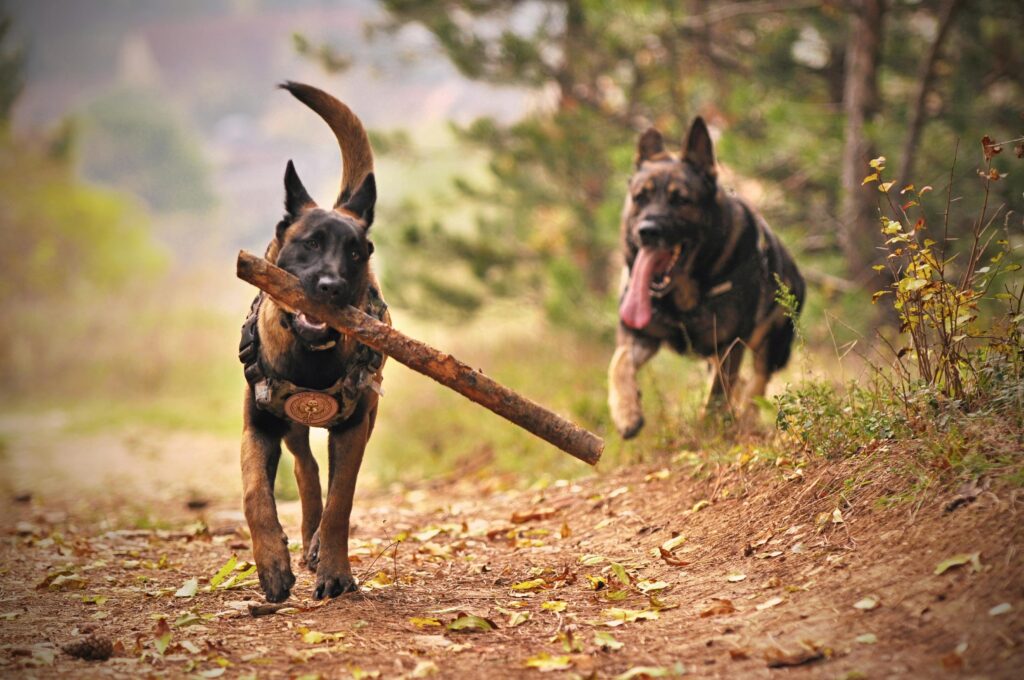
Dog hyperactivity can sometimes be influenced by diet, particularly when meals provide unbalanced energy sources or include ingredients that may overstimulate sensitive dogs. Dogs that appear overly excitable, unfocused, or unable to settle may be reacting to how their body processes certain nutrients rather than simply having “too much energy.” While behavior, training, and environment all play important roles, diet is often one of the first areas pet parents evaluate.
When addressing dog hyperactivity, it’s important to focus on steady, balanced nutrition rather than quick energy spikes. Diets formulated with appropriate protein levels, controlled fiber, and the absence of artificial sugars or colorants can help support consistent energy levels throughout the day. Diet alone is not a behavioral treatment, and dogs with ongoing concerns should always be evaluated by a veterinarian. Our team at Gourmet Pet Chef is also available to discuss custom or prescription dietary options tailored to your dog’s specific needs.
How Nutrition Can Support Calm, Balanced Energy
Diet-related dog hyperactivity may be influenced by meals that cause rapid energy fluctuations. Balanced protein helps support muscle maintenance and normal activity, while fiber plays a role in digestion and gradual energy release. Together, these nutrients can help avoid sharp rises and drops in energy that may contribute to restlessness.
Certain nutrients, such as magnesium and L-theanine, are commonly included in pet nutrition discussions for their role in supporting normal nervous system function and relaxation. When included appropriately as part of a complete diet, these nutrients are intended to support overall wellness—not to sedate or alter behavior. Diets that avoid artificial sugars, colors, and unnecessary additives are often preferred for dogs prone to overstimulation.
Ingredient Transparency for Dogs Prone to Hyperactivity
Ingredient transparency is especially important when managing dog hyperactivity. Our Chicken Kibble is formulated to provide consistent, balanced nutrition with a guaranteed analysis of:
Crude Protein: Not Less Than 28%
Crude Fat: Not Less Than 15%
Crude Fiber: Not More Than 4%
Vitamin E: Not Less Than 150 IU
Omega-3 Fatty Acids: Not Less Than 0.6%
Omega-6 Fatty Acids: Not Less Than 2.6%
Our kibble includes whole-food ingredients and avoids artificial preservatives, colors, and dyes. This allows pet parents to clearly understand what their dog is eating while supporting steady daily energy needs.
For pet parents looking for gently prepared options, our Chef-Prepared Chicken & Rice With Veggies offers a simple ingredient list that includes chicken, basmati rice, green peas, carrots, fish oil, yogurt, nutritional yeast, kelp, and vinegar. This option can be served on its own or mixed with our kibble to support balanced meals for dogs that are easily overstimulated.
Custom Options for Dogs With Excess Energy
Every dog is different, and some dogs with dog hyperactivity may benefit from dietary adjustments beyond standard formulas. We offer alternative protein options for dogs that may not tolerate chicken well.
For dogs with more specific dietary requirements, we also provide customizable food and prescription food developed in coordination with your veterinarian. These options allow diets to be tailored without making unsupported behavioral or medical claims.
Pet parents who would like guidance can contact Gourmet Pet Chef to discuss their dog’s individual needs.
Long-Term Support for Dogs With Hyperactivity
Supporting dogs with dog hyperactivity often involves consistency, routine, and thoughtful nutrition. Gradual diet transitions, careful observation, and veterinary input are all part of a responsible approach. While food is not a cure for behavioral conditions, choosing well-balanced meals without unnecessary stimulants can help support focus and calm energy as part of a broader care plan.
Understanding Increased Energy Needs in Active Dogs
Active dog nutrition is essential for working dogs, sporting dogs, and highly energetic companions that burn significant calories each day. Dogs with demanding activity levels rely on consistent, calorie-dense nutrition to support endurance, recovery, and overall physical condition. When active dog nutrition does not adequately meet energy demands, dogs may struggle to maintain weight, stamina, or muscle tone over time.
Addressing increased energy needs starts with nutrition that provides sufficient calories from quality protein and fats, along with nutrients that support hydration and joint health. Diet alone is not a performance enhancer or injury prevention tool, but appropriate food choices can help support normal energy metabolism and physical resilience. If your dog has unusually high demands or specific health concerns, it’s always best to consult a veterinarian. We also welcome pet parents to contact Gourmet Pet Chef to discuss custom or prescription-based dietary options.
Why Active Dog Nutrition Matters for Energy and Recovery
Dogs with increased energy needs benefit from calorie-dense diets that deliver sustained fuel without excessive fillers. Protein supports muscle maintenance, while healthy fats serve as an efficient energy source for prolonged activity. Balanced formulations help ensure dogs receive consistent nutrition throughout demanding days.
Electrolytes and hydration-supporting nutrients are also important considerations for working and active dogs, especially those that exercise frequently or for extended periods. Additionally, nutrients commonly associated with joint support are often included in performance-focused diets to help maintain normal joint function as part of overall wellness. These nutrients are included for nutritional support and are not intended to prevent injuries or treat joint conditions.
Our Performance-Focused Food Options for Active Dogs
At Gourmet Pet Chef, we formulate foods with clearly defined ingredients so pet parents can confidently fuel dogs with increased energy needs. Our Chicken Kibble is calorie-dense and nutritionally balanced, featuring:
Crude Protein: Not Less Than 28%
Crude Fat: Not Less Than 15%
Omega-3 Fatty Acids: Not Less Than 0.6%
Omega-6 Fatty Acids: Not Less Than 2.6%
Vitamin E: Not Less Than 150 IU
Our kibble includes whole-food ingredients such as chicken, fish meal, flaxseed, coconut oil, blueberries, turmeric, and green-lipped mussel, which are selected to support everyday nutritional needs for active lifestyles without artificial preservatives or colors.
For pet parents who prefer gently prepared options, our Chef-Prepared Chicken & Rice With Veggies offers a complementary choice. Made with chicken, basmati rice, green peas, carrots, fish oil, yogurt, and nutritional yeast, this option can be served alone or mixed with kibble to help meet higher calorie requirements while maintaining ingredient transparency.
Custom and Alternative Options for High-Energy Dogs
Because no two active dogs are exactly alike, some may benefit from different protein sources or tailored nutrient profiles. We offer alternative protein options for dogs with specific preferences or sensitivities.
For dogs with specialized workloads or veterinary-directed needs, we also provide customizable food and prescription food developed in coordination with your veterinarian. These options allow us to support your dog’s unique activity level without making unsupported performance or medical claims.
Pet parents are always welcome to reach out to Gourmet Pet Chef to discuss custom formulations designed around their dog’s lifestyle.
Long-Term Support for Dogs With Increased Energy Needs
Meeting increased energy needs is an ongoing process that involves monitoring body condition, energy levels, and recovery over time. Gradual dietary adjustments and consistent feeding routines help active dogs maintain steady fuel levels. While nutrition alone cannot guarantee performance outcomes, selecting thoughtfully formulated foods can support your dog’s overall vitality and comfort as part of a balanced care plan.
Dog muscle loss represents a significant concern for both aging canines experiencing sarcopenia and highly active dogs whose performance and recovery depend on maintaining optimal muscle mass. When dogs lose muscle mass, they experience reduced strength, decreased mobility, compromised immune function, and diminished quality of life that affects their ability to engage in activities they once enjoyed. Understanding the causes of dog muscle loss and implementing appropriate nutritional strategies can help senior dogs maintain independence and vitality while supporting active dogs’ performance and recovery needs throughout their working or athletic careers.
Dog muscle loss occurs through various mechanisms depending on the underlying cause—senior dogs typically experience age-related sarcopenia where muscle protein synthesis decreases while muscle protein breakdown remains constant or increases, resulting in gradual muscle wasting. Active and working dogs may experience muscle loss when their protein and calorie intake fails to meet the demands of their activity level, or when inadequate recovery nutrition prevents proper muscle repair and rebuilding after exercise. Both scenarios require targeted nutritional interventions that prioritize high-quality protein and appropriate calorie density to prevent or reverse muscle loss and maintain optimal body condition.
Understanding Dog Muscle Loss in Senior Dogs
Dog muscle loss in aging canines represents a natural but manageable consequence of the aging process, affecting an estimated 30-40% of senior dogs to varying degrees. Sarcopenia—the medical term for age-related muscle loss—develops as dogs experience hormonal changes, reduced physical activity, decreased protein synthesis efficiency, and sometimes chronic low-grade inflammation that accelerates muscle breakdown. According to research from the American Animal Hospital Association, muscle loss in senior dogs significantly impacts longevity and quality of life, making nutritional intervention an important component of geriatric care.
Senior dogs experiencing muscle loss often show subtle signs initially—slight decrease in activity level, difficulty rising from rest, reduced jumping ability, or decreased endurance during walks. As muscle loss progresses, dogs may develop visible loss of muscle mass over the hips, shoulders, and spine, increased body fat percentage even without weight gain, weakness in the rear legs, and general frailty that limits their mobility and independence. Early recognition and nutritional intervention can slow or potentially reverse muscle loss in many senior dogs, preserving their quality of life and functional capacity.
Protein Requirements for Preventing Dog Muscle Loss
High-quality protein forms the foundation of any strategy to prevent or address dog muscle loss, as dietary protein provides the amino acids necessary for maintaining and rebuilding muscle tissue. Contrary to outdated beliefs that senior dogs require reduced protein intake, current veterinary nutrition research indicates that older dogs actually need higher protein levels than younger adults to maintain muscle mass due to decreased protein synthesis efficiency. The quality and digestibility of protein sources become particularly crucial for dogs managing muscle loss, as their bodies must efficiently extract and utilize amino acids from dietary protein.
Complete animal proteins from sources like chicken, beef, and fish provide all essential amino acids in appropriate ratios for canine muscle protein synthesis. These whole meat proteins offer superior bioavailability compared to plant-based proteins or heavily processed meat by-products, meaning dogs can more efficiently utilize the amino acids for muscle maintenance and repair. For dogs experiencing or at risk for muscle loss, protein should comprise a significant portion of their caloric intake—veterinary nutritionists often recommend 25-35% of calories from protein for senior dogs, and even higher percentages for highly active dogs with elevated protein requirements.
Supporting Active and Working Dogs’ Muscle Needs
Dog muscle loss doesn’t only affect senior dogs—highly active, working, and athletic dogs face their own muscle maintenance challenges related to the physical demands placed on their bodies. Performance dogs, agility competitors, hunting dogs, and working breeds require elevated protein intake to support muscle recovery after exercise, prevent exercise-induced muscle damage, and maintain the lean muscle mass essential for their work. When active dogs don’t receive adequate protein and calories to match their energy expenditure, they may develop muscle loss despite being young and otherwise healthy.
Active dogs benefit from protein intake at the higher end of recommended ranges or even exceeding standard guidelines, with some performance dogs thriving on diets where protein provides 30-40% or more of total calories. The timing and quality of protein intake also matters for active dogs—providing high-quality protein shortly after exercise supports optimal muscle recovery and adaptation. Amino acids from dietary protein serve as building blocks for muscle repair and growth, making real meat-based proteins essential for active dogs managing the physical stress of regular intense activity.
The Role of Healthy Fats in Muscle Maintenance
While protein receives primary attention in discussions of dog muscle loss prevention, healthy fats play crucial supporting roles in muscle maintenance and overall health. Fats provide concentrated energy that helps dogs meet their caloric needs without excessive food volume, which can be particularly important for senior dogs with reduced appetites or active dogs with high energy requirements. The omega-3 fatty acids found in fish oil and other marine sources offer anti-inflammatory benefits that may help reduce exercise-induced inflammation and support muscle recovery in active dogs.
Fat-soluble vitamins A, D, E, and K require dietary fat for absorption, and these vitamins support various aspects of muscle function and overall health. Vitamin D, for instance, plays important roles in muscle protein synthesis and muscle strength, while vitamin E functions as an antioxidant protecting muscle tissues from oxidative damage during exercise. A balanced fat profile with appropriate omega-3 to omega-6 ratios supports overall health while providing sustained energy for both senior dogs maintaining daily activities and active dogs performing athletic work.
Gourmet Pet Chef’s High-Protein Solutions for Dog Muscle Loss
At Gourmet Pet Chef, we recognize that preventing and addressing dog muscle loss requires exceptional protein quality and quantity. Our chicken kibble delivers a guaranteed crude protein content of not less than 28%, with protein derived from multiple high-quality sources including deboned chicken, chicken meal, and menhaden fish meal. This multi-source protein approach ensures comprehensive amino acid profiles that support muscle protein synthesis and maintenance in both senior dogs fighting muscle loss and active dogs building and maintaining performance muscle.
Our formulation provides crude fat content of not less than 15%, offering concentrated energy from quality sources including chicken fat preserved with natural mixed tocopherols and beneficial coconut oil. The omega-3 fatty acid content (not less than 0.6%) and omega-6 fatty acid content (not less than 2.6%) support anti-inflammatory processes and overall health alongside muscle maintenance. For dogs requiring different formats or preferring fresh food, our Chef Prepared fresh food features real chicken as the primary ingredient, providing high-quality protein in a highly palatable format that even dogs with reduced appetite find appealing.
Customized High-Protein Nutrition for Severe Dog Muscle Loss
Some dogs experiencing significant muscle loss or having extremely high protein requirements may benefit from customized formulations that exceed standard protein levels. Senior dogs with advanced sarcopenia, dogs recovering from illness or surgery, and elite performance dogs may require specialized nutrition beyond what off-the-shelf products provide. If your dog shows signs of progressive muscle loss despite feeding a high-quality diet, contact Gourmet Pet Chef to discuss custom formulations that can be tailored to your dog’s specific protein and calorie needs.
Our customizable food options allow for modifications including increased meat content for higher protein density, adjustments to fat levels for appropriate calorie content, and incorporation of specific ingredients that support muscle maintenance and recovery. For dogs with veterinary-diagnosed conditions contributing to muscle loss, our prescription food services can work within your veterinarian’s recommendations to provide appropriate nutrition. Dogs with sensitivities to chicken can explore our alternative protein options including beef and fish formulations that provide equally high-quality protein from different sources.
Comprehensive Approach to Managing Dog Muscle Loss
Successfully preventing or reversing dog muscle loss requires more than nutrition alone—combining appropriate diet with other interventions maximizes results. Senior dogs benefit from regular gentle exercise that stimulates muscle maintenance without causing injury or excessive fatigue. Swimming, controlled leash walks, and low-impact activities help preserve muscle mass while accommodating reduced stamina and potential joint issues. Physical rehabilitation exercises prescribed by veterinary rehabilitation specialists can target specific muscle groups affected by muscle loss.
Regular veterinary monitoring helps identify underlying causes of dog muscle loss that may require medical intervention—conditions like Cushing’s disease, hypothyroidism, or chronic kidney disease can contribute to muscle wasting and require specific treatments alongside nutritional management. Body condition scoring and muscle condition scoring at veterinary visits provide objective measurements of whether nutritional interventions are successfully maintaining or rebuilding muscle mass. If your senior dog continues losing muscle despite high-protein nutrition, or if your active dog isn’t maintaining appropriate muscle condition, contact Gourmet Pet Chef to explore additional nutritional strategies and ensure you’re providing optimal support for your dog’s muscle health needs. Through the combination of protein-rich nutrition, appropriate exercise, and veterinary oversight, most dogs experiencing muscle loss can achieve improvement and maintain strength, mobility, and quality of life throughout their senior years or athletic careers.