

How Can I Help My Dog Recover From Slow Wound Healing After Surgery or Injury?
Understanding Slow Wound Healing in Dogs
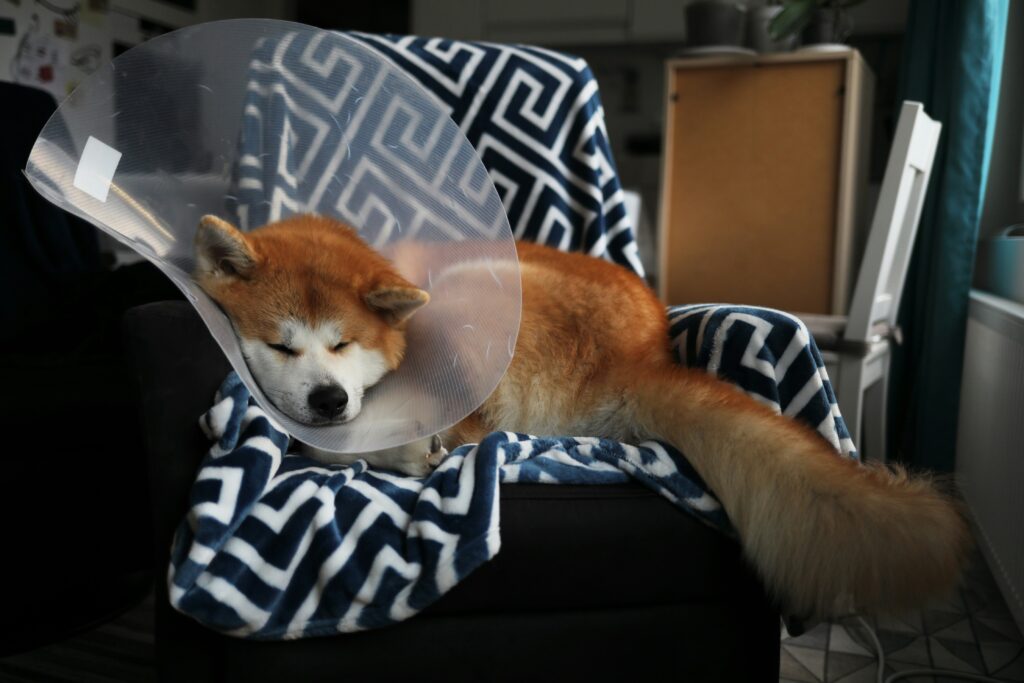
Dog wound healing support is an important consideration for pet parents whose dogs are recovering from surgery or injury. During recovery periods, a dog’s body relies on proper nutrition, rest, and veterinary guidance to support normal tissue repair and immune function. Some dogs may appear to heal more slowly due to age, activity restrictions, or overall health, which is why supportive care is often a key focus during recovery.
While diet alone cannot replace veterinary care, thoughtful nutrition can help support normal recovery processes. Dogs in recovery phases often require consistent, balanced meals that provide adequate protein, essential fatty acids, and key micronutrients. If your dog is healing more slowly than expected, it’s important to follow your veterinarian’s guidance and consider dietary adjustments that align with your dog’s specific needs.
How Diet Can Support Dogs With Slow Wound Healing
Nutrition plays a supportive role in helping dogs maintain normal healing and immune function. High-protein meals are commonly included in recovery-focused diets because protein supplies the building blocks the body uses to maintain muscle and tissue. Adequate protein intake is especially important for dogs recovering from surgical procedures or physical injuries.
Certain nutrients are also frequently included in balanced dog foods to support overall wellness during recovery. Zinc and vitamin C are involved in normal immune system function, while omega-3 fatty acids are commonly included to support skin health and normal inflammatory responses. These nutrients are included for general nutritional support and are not intended to treat or accelerate wound healing.
Ingredient Transparency for Recovery-Focused Nutrition
At Gourmet Pet Chef, we focus on ingredient transparency so pet parents can make informed choices during recovery periods. Our Chicken Kibble provides a consistent nutritional profile with a guaranteed analysis of:
- Crude Protein: Not Less Than 28%
- Crude Fat: Not Less Than 15%
- Vitamin E: Not Less Than 150 IU
- Omega-3 Fatty Acids: Not Less Than 0.6%
- Omega-6 Fatty Acids: Not Less Than 2.6%
Our kibble includes whole-food ingredients such as chicken, fish meal, flaxseed, blueberries, turmeric, and green tea extract. These ingredients are selected to support balanced nutrition during times when dogs may need additional dietary consistency.
For pet parents who prefer gently prepared options, our Chef-Prepared Chicken & Rice With Veggies offers a simple ingredient list that includes chicken, basmati rice, green peas, carrots, fish oil, yogurt, nutritional yeast, kelp, and vinegar. This option allows pet parents supporting dogs with slow wound healing to evaluate ingredient tolerance while maintaining a familiar protein source.
Custom and Alternative Nutrition Options During Recovery
Every dog’s recovery journey is different. Some dogs may benefit from exploring alternative protein options if dietary sensitivities are present, while others may require individualized nutrient adjustments.
We also offer customizable food and prescription food options developed in collaboration with your veterinarian. These solutions are designed to support dogs with specific nutritional requirements during recovery without making unsupported medical claims.
If you’re unsure which option is right for your dog, we encourage you to contact Gourmet Pet Chef to discuss your dog’s recovery needs.
Supporting Your Dog Through the Healing Process
Slow wound healing can be stressful for both dogs and pet parents, but consistency, patience, and proper veterinary oversight are key. Gradual transitions, nutrient-aware feeding, and careful observation can help support your dog’s overall comfort and well-being during recovery.
Nutrition is just one piece of the recovery process, but choosing thoughtfully formulated foods with clear ingredients can play a supportive role as your dog regains strength.
How Can I Help My Dog Recover From Slow Wound Healing After Surgery or Injury? Read More »