How Can I Help My Dog Recover After Surgery?
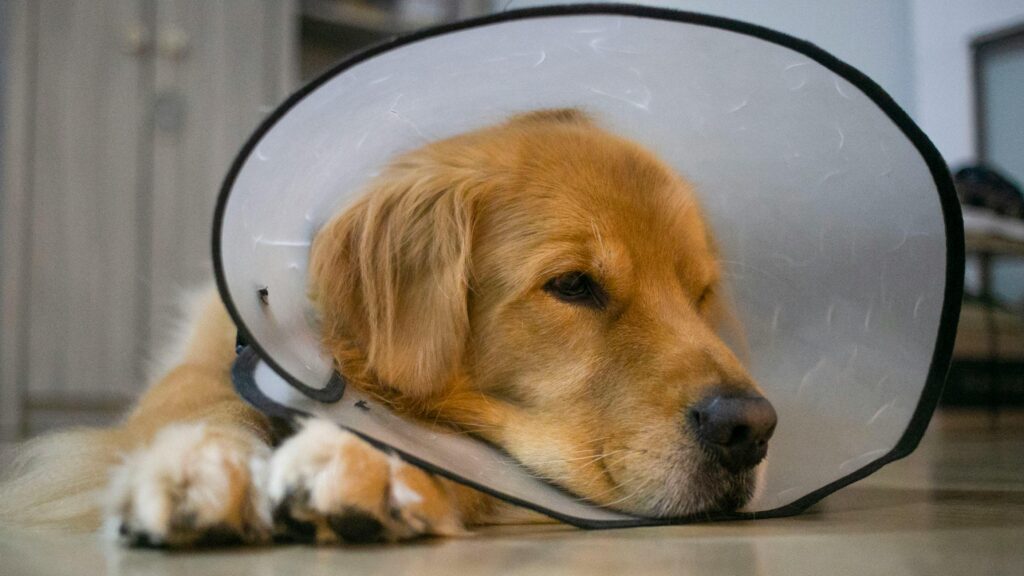
Dog surgery recovery requires comprehensive care that extends far beyond medication and rest, with nutrition playing a critical role in tissue healing, immune function, and overall recuperation speed. When dogs undergo surgical procedures—whether routine spays and neuters, orthopedic repairs, tumor removals, or emergency operations—their bodies face increased metabolic demands as they work to repair tissue damage, fight potential infections, and restore normal function. Understanding how targeted nutrition supports dog surgery recovery empowers pet owners to actively contribute to their pet’s healing process and potentially reduce recovery time while minimizing complications.
Dog surgery recovery encompasses both the immediate post-operative period and the extended healing phase that can last weeks or months depending on procedure complexity. During this critical time, dogs require adequate calories and specific nutrients to support wound healing, maintain muscle mass despite reduced activity, support immune function to prevent infection, and provide energy for the body’s repair processes. Many dogs experience reduced appetite following surgery due to anesthesia effects, pain, or stress, making nutrient-dense, highly palatable food choices particularly important for ensuring adequate nutritional intake during dog surgery recovery.
Nutritional Demands During Dog Surgery Recovery
The metabolic response to surgery and tissue injury significantly increases nutritional requirements compared to normal maintenance needs. Research in veterinary surgery and nutrition demonstrates that dogs recovering from surgery experience elevated protein turnover, increased energy expenditure for healing processes, and heightened requirements for specific micronutrients involved in tissue repair and immune function. According to veterinary nutritionists at Tufts University Cummings School of Veterinary Medicine, surgical patients may require 25-50% more calories than their normal maintenance needs depending on the extent of tissue trauma and healing requirements.
Protein needs increase substantially during dog surgery recovery because amino acids serve as the building blocks for new tissue synthesis, collagen formation, antibody production, and enzyme function. Dogs with inadequate protein intake during recovery may experience delayed wound healing, increased infection risk, muscle loss despite inactivity, and prolonged overall recovery times. The quality and digestibility of protein sources matter significantly—highly digestible animal proteins provide complete amino acid profiles in forms that stressed, healing bodies can readily utilize.
Essential Nutrients for Dog Surgery Recovery and Wound Healing
Specific micronutrients play particularly important roles in wound healing and tissue repair during dog surgery recovery. Vitamin C functions as a cofactor in collagen synthesis, the structural protein essential for wound closure and tissue strength. While dogs can synthesize vitamin C endogenously unlike humans, some research suggests that surgical stress may increase vitamin C requirements beyond what the body produces, potentially making dietary sources beneficial during recovery periods.
Zinc participates in numerous enzymatic reactions critical for wound healing, including DNA synthesis, protein synthesis, and cell division. This trace mineral also supports immune function, helping protect surgical sites from infection during the vulnerable healing period. Dogs with inadequate zinc status may experience delayed wound healing and increased susceptibility to post-operative complications. Omega-3 fatty acids, particularly EPA and DHA from marine sources, provide anti-inflammatory support that may help modulate the inflammatory response following surgery—supporting appropriate healing inflammation while preventing excessive inflammation that could impair recovery.
Protein’s Critical Role in Dog Surgery Recovery
High-quality protein serves as the foundation of nutrition for dog surgery recovery, providing essential amino acids that support multiple healing processes simultaneously. Collagen, the primary structural protein in skin and connective tissue, requires adequate protein and specific amino acids like proline, glycine, and lysine for synthesis. Immune cells including antibodies, white blood cells, and cytokines are all protein-based, requiring sufficient amino acid availability to mount appropriate immune responses that protect healing surgical sites from infection.
During dog surgery recovery, especially following orthopedic procedures, maintaining muscle mass becomes crucial even as activity levels decrease. Adequate protein intake helps preserve lean body mass during recovery, preventing the muscle wasting that can occur when injured dogs remain inactive. Research suggests that dogs recovering from surgery benefit from diets providing 25-35% of calories from high-quality protein sources, though specific requirements vary based on procedure type, patient size, and overall health status.
Managing Appetite Challenges During Dog Surgery Recovery
Many dogs experience reduced appetite following surgery, creating challenges for ensuring adequate nutritional intake during the critical healing period. Post-operative nausea from anesthesia, pain-related appetite suppression, stress from the hospital environment, and medication side effects all contribute to decreased food consumption precisely when nutritional needs increase. For dog surgery recovery, choosing highly palatable, nutrient-dense foods that provide maximum nutrition in smaller volumes becomes essential for meeting caloric and protein requirements even when appetite is compromised.
Fresh food options often prove more appealing to dogs with reduced appetites compared to dry kibble, as moisture content, aroma, and palatability typically exceed that of dried foods. Warming food slightly can enhance aroma and palatability, making it more enticing to reluctant eaters. For dogs requiring encouragement to eat during recovery, hand-feeding small amounts frequently throughout the day often proves more successful than offering large meals that seem overwhelming to dogs feeling unwell.
Gourmet Pet Chef’s Nutrition for Dog Surgery Recovery
At Gourmet Pet Chef, our formulations provide the high-quality protein and nutrient density that supports dog surgery recovery needs. Our chicken kibble features not less than 28% crude protein from multiple digestible meat sources including deboned chicken, chicken meal, and menhaden fish meal, providing the amino acids essential for tissue repair and immune function. The inclusion of omega-3 fatty acids (not less than 0.6% guaranteed) from fish meal and flaxseed offers anti-inflammatory support that may benefit healing tissues.
Our formulation includes ingredients that naturally provide vitamins and minerals supporting wound healing, including organic fruits and vegetables rich in vitamin C and antioxidants. The vitamin E content (not less than 150 IU) provides antioxidant protection, while our comprehensive vitamin and mineral supplementation ensures dogs receive micronutrients like zinc that play essential roles in healing processes. For dogs preferring fresh food during recovery, our Chef Prepared fresh food offers highly palatable nutrition in a format that appeals to dogs with compromised appetites, featuring real chicken as the primary ingredient along with easily digestible rice and vegetables.
Customized Nutrition Plans for Dog Surgery Recovery
Different surgical procedures create varying nutritional demands, and individual dogs may have unique requirements based on their size, age, overall health status, and specific surgical intervention. Dogs recovering from extensive orthopedic surgery may need different nutritional support compared to those healing from soft tissue procedures, while dogs with concurrent health conditions require careful dietary planning to support recovery without exacerbating existing issues. For dogs with complex recovery needs, our customizable food options allow for precise nutritional modifications that address specific healing requirements.
If your dog is facing surgery or currently recovering from a procedure, contact Gourmet Pet Chef to discuss custom formulations optimized for surgical recovery and wound healing. Our nutrition experts can work with you and your veterinarian to develop meal plans that provide targeted nutritional support while accommodating any dietary restrictions or medication interactions. For dogs requiring veterinary-prescribed therapeutic diets during recovery, our prescription food services can help implement these recommendations using our high-quality ingredient approach. Dogs with sensitivities to chicken can explore our alternative protein options to ensure optimal nutrition regardless of dietary restrictions during their recovery period.
Supporting Your Dog Through the Recovery Journey
Successful dog surgery recovery requires patience, attentive care, and close collaboration with your veterinary surgical team. Beyond nutrition, factors including appropriate pain management, activity restriction as directed, wound care, infection monitoring, and gradual return to normal activity all contribute to optimal outcomes. Nutrition serves as a crucial foundation supporting all these other recovery elements, providing the raw materials and energy the body needs to heal effectively.
Monitor your dog’s food intake carefully during recovery, tracking whether they’re consuming adequate amounts and maintaining stable body weight. If your dog refuses food for more than 24 hours post-surgery or shows signs of significant weight loss during recovery, contact your veterinarian immediately as inadequate nutrition can significantly impair healing. For additional guidance on optimizing your dog’s nutrition during their recovery period, contact Gourmet Pet Chef to discuss strategies for encouraging food intake and ensuring your dog receives the nutritional support they need to heal quickly and completely. With appropriate veterinary care, targeted nutrition, and dedicated home care, most dogs recover successfully from surgery and return to their normal, active lives stronger than before.
How Can I Help My Dog Recover After Surgery? Read More »