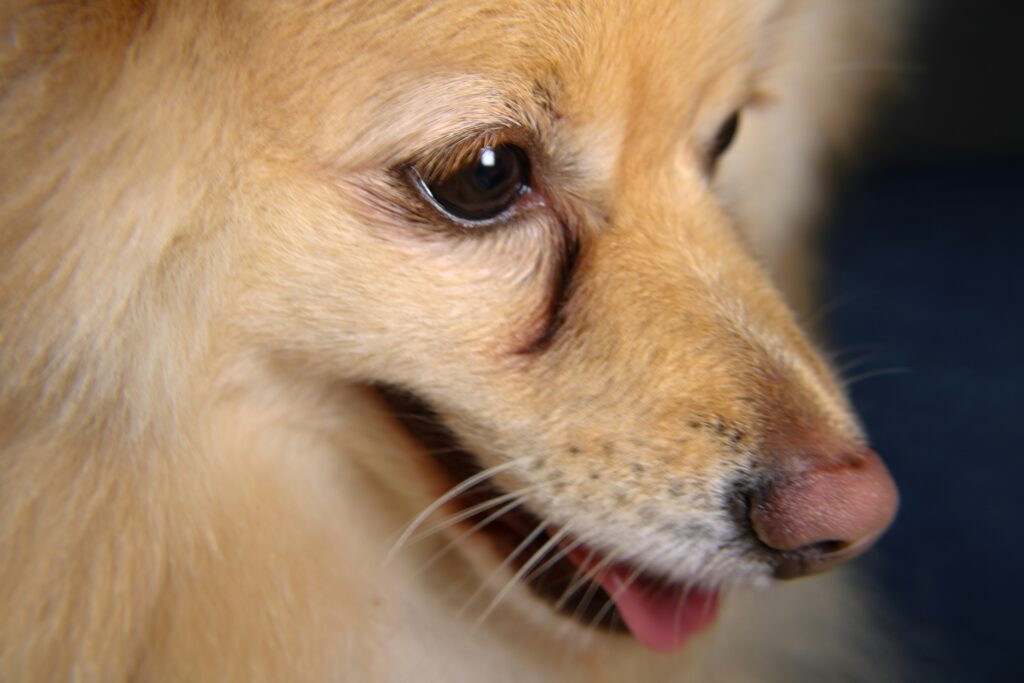
Tear stains are a common concern for many dog owners, especially in white or light-colored dogs. These dark stains around the eyes are often associated with excessive tearing, which may be influenced by factors such as diet composition, inflammation, and ingredient sensitivities. While tear stains are not usually harmful, they can be persistent and frustrating for pet parents trying to keep their dog’s face clean and comfortable.
From a nutritional perspective, diet choices may play a role in supporting overall eye health and reducing factors that contribute to excessive tearing. Diets that focus on ingredient transparency and avoid unnecessary additives can help support normal inflammatory responses and digestive balance. For dogs with ongoing or severe eye issues, a veterinarian should always be consulted. We also work with pet parents who want help tailoring diets to their dog’s specific needs—learn more by contacting Gourmet Pet Chef through our contact page.
How Diet May Influence Tear Stains
Tear stains are often discussed in relation to diet-related inflammation and ingredient sensitivities. Some dogs may respond better to meals that avoid artificial dyes, preservatives, and unnecessary fillers. Choosing foods with clearly defined ingredients makes it easier to evaluate how your dog responds over time.
Probiotics are commonly included in balanced dog foods to support normal digestive function, which may indirectly influence tear production. Omega-3 fatty acids are also widely used in canine nutrition to help support normal skin and coat health, including the delicate areas around the eyes. These nutrients are included as part of balanced nutrition and are not intended to treat or cure tear staining.
Ingredient Transparency for Dogs Prone to Tear Stains
Ingredient transparency is especially important for dogs prone to tear stains. Our Chicken Kibble is formulated without artificial colors, dyes, or preservatives and provides a consistent nutrient profile, including omega-3 fatty acids and vitamin E as part of a balanced diet.
The guaranteed analysis includes:
Crude Protein: Not Less Than 28%
Crude Fat: Not Less Than 15%
Vitamin E: Not Less Than 150 IU
Omega-3 Fatty Acids: Not Less Than 0.6%
Omega-6 Fatty Acids: Not Less Than 2.6%
Our kibble features whole-food ingredients such as chicken, fish meal, flaxseed, blueberries, turmeric, and green tea extract, all selected to support overall wellness without unnecessary additives.
For pet parents interested in gently prepared options, our Chef-Prepared Chicken & Rice With Veggies offers a straightforward ingredient list that includes chicken, basmati rice, green peas, carrots, fish oil, yogurt, nutritional yeast, kelp, and vinegar. This option allows pet parents to easily evaluate ingredient tolerance while supporting balanced nutrition.
Additional Diet Options for Dogs With Tear Stains
Because dogs respond differently to ingredients, some may benefit from trying different protein sources. We offer alternative protein options for dogs that may not tolerate chicken well.
For dogs with more specific dietary needs, we also provide customizable food and prescription food developed in coordination with your veterinarian. These options allow for individualized nutrition without making unsupported health claims.
If you’re unsure which option is best, we encourage pet parents to consult their veterinarian and contact Gourmet Pet Chef for guidance.
Long-Term Support for Dogs With Tear Stains
Reducing tear stains often requires a consistent, long-term approach. Gradual food transitions, careful ingredient monitoring, and regular facial hygiene all play a role. While diet changes alone are not guaranteed to eliminate tear stains, choosing thoughtfully formulated foods with transparent ingredients can help support your dog’s overall comfort, appearance, and well-being.
Dog tear stains are one of the most common cosmetic concerns affecting small breed dogs, particularly those with white or light-colored coats where reddish-brown discoloration beneath the eyes becomes highly visible and difficult to manage. When dogs develop tear stains, the unsightly streaks result from excessive tear production (epiphora) combined with chemical reactions between tears, bacteria, and yeast that colonize the moist fur beneath the eyes. Understanding that dog tear stains often reflect underlying issues—whether dietary sensitivities, inflammation, anatomical factors, or health conditions—helps pet owners address root causes rather than simply treating the cosmetic symptom.
Dog tear stains affect certain breeds disproportionately, with Maltese, Shih Tzus, Poodles, French Bulldogs, and Bichon Frises showing particular susceptibility due to their facial anatomy, shallow eye sockets, and hair growth patterns that channel tears onto facial fur. While dog tear stains don’t typically indicate serious health problems, they can signal dietary sensitivities, low-grade inflammation, or minor irritations that deserve attention. The reddish-brown discoloration develops when porphyrins—naturally occurring molecules in tears, saliva, and urine—oxidize and bind to proteins in the hair shaft, creating stubborn stains that prove difficult to remove once established.
Understanding the Causes of Dog Tear Stains
Dog tear stains develop through multiple contributing factors that increase tear production or alter tear composition, making staining more pronounced. Anatomical issues like shallow eye sockets, eyelid abnormalities, ingrown eyelashes, or blocked tear ducts can cause excessive tearing that overwhelms the normal drainage system. Ear infections, teething in puppies, and eye irritations from dust, smoke, or allergens also stimulate increased tear production that contributes to staining.
According to veterinary ophthalmology research and resources from the American Kennel Club, dietary factors play a significant role in tear stain severity for many dogs. Food sensitivities or allergies can promote systemic inflammation that affects tear production and composition, while certain ingredients may trigger reactions that increase tearing or create conditions favorable for the bacteria and yeast that darken tear stains. Low-quality ingredients, artificial additives, and common allergens frequently correlate with increased tear staining in susceptible dogs, though individual responses vary considerably.
The Diet and Inflammation Connection to Dog Tear Stains
Chronic low-grade inflammation represents a common underlying factor in many cases of persistent dog tear stains. When dogs consume foods containing ingredients that trigger immune responses or inflammatory reactions—whether from true allergies or sensitivities—this systemic inflammation can affect the eyes and tear production. Artificial colors, flavors, and preservatives provide no nutritional value and may contribute to inflammatory responses in sensitive dogs, potentially exacerbating tear staining beyond what would occur with cleaner diets.
Common grain fillers like corn, wheat, and soy frequently appear as culprits in tear stain cases, though whether they directly cause staining or simply indicate overall diet quality remains debated. Many dogs with severe tear stains show improvement when these ingredients are eliminated, suggesting either specific sensitivities to these grains or the benefits of upgrading to higher-quality nutrition overall. The inflammatory cascade triggered by dietary sensitivities doesn’t just affect the gastrointestinal system—it can manifest systemically, including in increased tear production and altered tear composition that promotes staining.
Omega-3 Fatty Acids and Antioxidants for Dog Tear Stains
Omega-3 fatty acids, particularly EPA and DHA from marine sources, possess powerful anti-inflammatory properties that may help reduce the inflammation contributing to excessive tearing and tear stains in dogs. These essential fatty acids support eye health, reduce inflammatory responses throughout the body, and help maintain the integrity of mucous membranes including those around the eyes. Dogs receiving adequate omega-3 supplementation often show improvements in various inflammatory conditions, and some pet owners report reduced tear staining as part of these overall improvements.
Antioxidants from whole food sources like blueberries, spinach, and other colorful fruits and vegetables help neutralize free radicals and support cellular health throughout the body, including the delicate tissues of the eyes. While antioxidants don’t directly prevent tear stain discoloration, they support overall health and may help reduce the irritation and inflammation that can contribute to excessive tearing. The combination of anti-inflammatory omega-3s and protective antioxidants creates a nutritional foundation that supports eye health and may help minimize factors contributing to tear staining.
The Role of Protein Quality in Dog Tear Stains
High-quality protein sources provide essential amino acids that support immune function, tissue health, and the body’s natural defense against bacterial and yeast overgrowth—factors that can influence tear stain severity. The yeast and bacteria that colonize moist facial fur and contribute to the darkening of tear stains thrive in certain conditions, and dogs with compromised immune function or poor overall nutrition may be more susceptible to these secondary infections that worsen staining appearance.
Digestible, complete protein sources from real meat provide better nutritional support than heavily processed proteins or plant-based alternatives, potentially supporting overall health in ways that reduce susceptibility to the infections and inflammation associated with severe tear staining. While protein quality alone won’t eliminate dog tear stains caused by anatomical issues, it contributes to the comprehensive nutritional foundation that supports optimal health and may help minimize diet-related factors contributing to excessive tearing and staining.
Gourmet Pet Chef’s Clean Nutrition Approach for Dog Tear Stains
At Gourmet Pet Chef, we formulate our foods to eliminate common triggers that may contribute to tear staining in sensitive dogs. Our chicken kibble contains no corn, no wheat, no soy, no artificial colors, no artificial flavors, and no artificial preservatives—removing many ingredients frequently associated with increased tear staining and inflammatory responses. This clean ingredient philosophy means dogs receive concentrated nutrition from whole food sources without unnecessary additives that provide no benefit and may contribute to sensitivities.
Our formulation includes omega-3 fatty acids (not less than 0.6% guaranteed) from sources like fish meal and flaxseed, providing anti-inflammatory support that may benefit dogs prone to tear staining. The inclusion of antioxidant-rich ingredients like organic blueberries, organic spinach, organic kale, and other colorful fruits and vegetables provides natural compounds that support eye health and overall wellness. With protein content of not less than 28% from high-quality meat sources including deboned chicken and chicken meal, our recipe provides the nutritional foundation that supports immune function and overall health.
Our Chef Prepared fresh food offers another option with simple, recognizable whole food ingredients for dogs who may prefer fresh formats or have specific texture preferences. The straightforward ingredient list—chicken, basmati rice, green peas, carrots, and beneficial supplements including fish oil—provides clean nutrition without common allergens or unnecessary additives that might contribute to tear staining issues.
Customized Approaches for Persistent Dog Tear Stains
While many dogs experience improvement in tear staining when switched to cleaner, higher-quality diets, some individuals require more targeted nutritional approaches to address their specific sensitivities. If your dog continues experiencing significant tear stains despite eliminating common triggers, contact Gourmet Pet Chef to discuss custom formulations designed specifically for your dog’s needs. Our nutrition experts can help develop meal plans that eliminate suspected triggers while ensuring complete, balanced nutrition.
Our customizable food options allow for precise modifications based on individual requirements, whether adjusting protein sources, incorporating specific supplements, or eliminating ingredients you’ve identified as problematic for your dog. For dogs requiring veterinary-prescribed dietary interventions alongside tear stain management, our prescription food services can accommodate these requirements. If you suspect your dog may be sensitive to chicken, our alternative protein options provide the same quality nutrition with different protein sources, helping you identify the optimal diet for minimizing tear staining.
Comprehensive Management of Dog Tear Stains
Successfully minimizing dog tear stains requires a multi-faceted approach combining appropriate nutrition, regular grooming, and addressing any underlying health issues. Daily gentle cleaning of the tear-stained area with appropriate solutions helps prevent buildup and may reduce bacterial and yeast colonization that darkens stains. Keeping facial fur trimmed short around the eyes reduces the surface area where tears can accumulate and stain, while ensuring water bowls are clean and made of stainless steel or ceramic rather than plastic may help reduce bacterial growth.
Always consult with your veterinarian to rule out medical causes of excessive tearing, including eye infections, corneal ulcers, ingrown eyelashes, or blocked tear ducts that require treatment beyond dietary management. Some degree of tearing and staining may be unavoidable in dogs with certain anatomical features, but optimizing diet and care can minimize severity. Most pet owners who switch to high-quality, allergen-free diets like those offered by Gourmet Pet Chef report gradual improvements in tear staining over several weeks to months, as new hair growth replaces stained fur and reduced inflammation lessens excessive tearing. If you’re struggling to manage your dog’s tear stains and want personalized guidance on nutritional strategies, contact Gourmet Pet Chef to explore solutions tailored to your dog’s unique needs and circumstances.
Dog tear stains affect countless small breed dogs, particularly Maltese, Poodles, Bichon Frises, and other light-colored breeds where reddish-brown discoloration under the eyes creates unsightly staining that mars their beautiful appearance. These persistent tear stains not only impact a dog’s aesthetic appeal but often indicate underlying health issues related to diet, allergies, or chronic inflammation that requires attention beyond simple cosmetic concerns. Dog tear stains develop when excessive tear production combines with bacterial growth and iron-containing compounds in tears, creating the characteristic rust-colored staining that can become deeply embedded in facial fur over time.
Understanding that dog tear stains frequently stem from dietary factors empowers pet owners to address both the cosmetic concerns and underlying health issues through targeted nutritional interventions. The relationship between food quality and tear production is well-established in veterinary medicine, with many dogs experiencing significant improvement in tear staining when switched from poor-quality commercial foods to premium, natural alternatives. Recognizing dog tear stains as a manageable condition that responds to proper nutrition provides hope for pet owners who have struggled with this persistent problem despite trying various topical treatments and cleaning products.
The Root Causes of Dog Tear Stains
Dog tear stains primarily develop from excessive tear production (epiphora) that can be triggered by food allergies, sensitivities to artificial additives, anatomical factors, or chronic inflammation affecting the tear ducts and surrounding tissues. Small breed dogs like Maltese and Poodles are particularly susceptible to tear stains due to their facial structure, shallow eye sockets, and hair growth patterns that can obstruct normal tear drainage. When tears cannot drain properly through the nasolacrimal ducts, they overflow onto the facial fur where bacteria proliferate and create the characteristic discoloration associated with tear stains.
Food-related triggers represent one of the most common and treatable causes of dog tear stains, with artificial preservatives, colors, dyes, and low-quality protein sources frequently implicated in excessive tear production. According to veterinary ophthalmologists at the American College of Veterinary Ophthalmologists, dietary interventions can significantly reduce tear staining in many dogs, particularly when implemented consistently over several months. The inflammatory response to poor-quality ingredients or allergens can affect tear gland function and increase tear production, creating the conditions necessary for persistent staining to develop.
How Artificial Preservatives and Fillers Worsen Dog Tear Stains
Artificial preservatives like BHA, BHT, and ethoxyquin commonly found in commercial dog foods can trigger inflammatory responses that affect tear gland function and increase tear production in sensitive dogs. These chemical additives are particularly problematic for small breed dogs who may be more sensitive to synthetic compounds due to their size and metabolic differences. The inflammatory cascade triggered by artificial preservatives can affect multiple body systems, including the delicate tissues around the eyes that regulate tear production and drainage.
Low-quality fillers such as corn, wheat, and soy products represent another significant contributor to dog tear stains, as these ingredients frequently cause allergic reactions and sensitivities that manifest as increased tear production and facial inflammation. These cheap ingredients provide little nutritional value while creating immunological stress that can affect tear composition and production rates. The removal of artificial preservatives and low-quality fillers often results in dramatic improvements in tear staining within 4-8 weeks, demonstrating the direct connection between diet quality and eye health.
The Role of High-Quality Protein in Reducing Dog Tear Stains
High-quality protein sources play a crucial role in managing dog tear stains by reducing the likelihood of allergic reactions and sensitivities that can trigger excessive tear production. Novel or limited-ingredient proteins help identify and eliminate trigger foods while providing the essential amino acids necessary for healthy immune function and tissue repair. Dogs with tear stains often show significant improvement when switched to single-source, high-quality proteins that are less likely to cause inflammatory responses.
The digestibility of protein sources also impacts tear stain development, as poorly digestible proteins can create inflammatory responses and metabolic stress that affects overall health including tear gland function. High-quality proteins like deboned chicken provide complete amino acid profiles that support optimal immune function while minimizing the risk of food-related sensitivities that contribute to tear staining. The improved digestibility of premium proteins reduces the workload on the immune system, allowing it to function more efficiently and reducing inflammatory responses that can affect tear production.
Grain-Free Options for Dogs with Grain Sensitivities
Some dogs develop tear stains specifically due to grain sensitivities, making grain-free nutrition an effective intervention for these individuals. Wheat, corn, and other grains can trigger allergic reactions in sensitive dogs, leading to systemic inflammation that affects tear gland function and increases tear production. The elimination of problematic grains often results in reduced inflammation, improved digestive health, and decreased tear staining within several weeks of dietary change.
However, not all dogs require grain-free diets for tear stain management, and some dogs tolerate certain grains better than others. The key lies in identifying specific trigger ingredients rather than assuming all grains are problematic. High-quality, easily digestible grains like brown rice may be well-tolerated by many dogs while providing beneficial nutrients and fiber that support overall health and immune function.
The Importance of Hydration in Managing Dog Tear Stains
Proper hydration plays a crucial role in managing dog tear stains by supporting healthy tear composition and drainage while helping flush toxins and inflammatory compounds from the body. Dehydration can concentrate tears, making them more likely to cause staining while also affecting the body’s ability to eliminate waste products that may contribute to inflammation. Moisture-rich foods help ensure adequate hydration while providing additional nutritional benefits that support overall health and immune function.
Fresh, prepared foods typically contain higher moisture content than dry kibble, helping dogs maintain better hydration status without requiring dramatic increases in water consumption. The increased moisture content also aids digestion and nutrient absorption, supporting overall health in ways that can indirectly benefit tear stain management by reducing inflammatory burden and supporting optimal immune function.
Small Breed Considerations for Dog Tear Stains
Small breed dogs like Maltese, Poodles, and Yorkshire Terriers face unique challenges with tear stains due to their facial anatomy, eye shape, and hair growth patterns that can interfere with normal tear drainage. These breeds often have shallower eye sockets and more prominent eyes that are prone to tear overflow, making proper nutrition even more critical for managing tear stain development. The smaller size of these dogs also means they may be more sensitive to artificial additives and low-quality ingredients that can trigger tear staining.
The fine, silky hair common in many small breeds prone to tear stains can easily trap moisture and bacteria, creating ideal conditions for stain development and persistence. Regular grooming combined with proper nutrition provides the best approach to managing tear stains in these breeds, addressing both the underlying causes and the external factors that contribute to stain visibility and persistence.
Gourmet Pet Chef’s Solutions for Dog Tear Stains
At Gourmet Pet Chef, we understand that dog tear stains require nutrition that eliminates inflammatory triggers while providing high-quality, easily digestible ingredients that support optimal health and immune function. Our chicken kibble features deboned chicken as the primary protein source while completely avoiding artificial preservatives, colors, and low-quality fillers that commonly trigger tear staining in sensitive dogs.
Our commitment to natural preservation methods and premium ingredients creates an ideal nutritional foundation for managing tear stains without compromising on taste or nutritional value. The high-quality protein and carefully selected ingredients in our Chef Prepared fresh food provide enhanced moisture content and superior digestibility that supports both hydration and optimal nutrient absorption for dogs struggling with tear stains.
Customized Nutrition for Persistent Dog Tear Stains
For dogs with severe or persistent tear stains that don’t respond to standard dietary interventions, our customizable food options allow pet owners to work with nutrition experts to develop elimination diets and targeted feeding plans that identify and avoid specific trigger ingredients. These customized approaches can incorporate novel proteins, eliminate potential allergens, and adjust moisture content based on individual dog needs and tear stain severity.
When veterinarians recommend specific dietary protocols for managing tear stains alongside other treatments, our prescription food services can accommodate these requirements while maintaining the natural, high-quality approach that makes our foods superior to conventional therapeutic diets. For dogs who may have sensitivities to chicken, our alternative protein options provide the same tear stain management benefits using different protein sources that may be better tolerated by individual dogs.
Timeline and Expectations for Tear Stain Improvement
Successfully reducing dog tear stains through dietary intervention requires patience and consistency, as improvements typically become noticeable after 4-6 weeks of feeding high-quality, allergen-free nutrition. Complete resolution of existing stains may take several months as new, unstained hair grows in to replace the discolored fur, though new tear production should decrease significantly within the first month of proper nutrition. The timeline for improvement varies based on the severity of staining, underlying causes, and individual dog factors including age, breed, and overall health status.
Maintaining long-term success in managing dog tear stains requires consistent feeding of high-quality nutrition while avoiding reintroduction of trigger ingredients that can restart the staining process. Regular grooming, proper eye hygiene, and continued use of premium nutrition create the best environment for maintaining clear, bright eyes and preventing future tear stain development.
The path to eliminating dog tear stains lies in understanding that these cosmetic concerns often reflect underlying nutritional and health issues that respond beautifully to high-quality, natural nutrition free from artificial additives and inflammatory ingredients. With Gourmet Pet Chef’s commitment to premium ingredients, natural preservation, and optimal hydration through fresh preparation methods, dogs struggling with tear stains can achieve the clear, bright eyes that showcase their natural beauty while supporting their overall health and well-being.