

How Can I Help My Dog with Urinary Tract Infections and Bladder Health?
Dog urinary tract infections represent painful and potentially dangerous conditions that affect thousands of dogs annually, causing frequent urination, accidents in the house, straining to urinate, blood in urine, and obvious discomfort that can significantly impact quality of life. When dogs develop urinary tract infections (UTIs), bacteria colonize the bladder and potentially the urethra or kidneys, creating inflammation and infection that requires prompt veterinary treatment with appropriate antibiotics. Understanding the factors that contribute to dog urinary tract infections and the role nutrition plays in supporting bladder health helps pet owners take proactive steps to reduce UTI recurrence and promote optimal urinary system function.
Dog urinary tract infections don’t occur in isolation—they develop when bacteria gain access to the normally sterile urinary system and conditions allow them to proliferate rather than being flushed out naturally. Female dogs experience higher UTI rates than males due to their shorter urethras, which provide easier bacterial access to the bladder. Certain breeds, dogs with diabetes, dogs with bladder stones, senior dogs, and those with weakened immune systems face increased susceptibility to urinary tract infections. While antibiotics treat active infections, dietary and lifestyle factors can influence UTI recurrence risk and overall bladder health, making nutritional management an important component of comprehensive urinary care.
Understanding Dog Urinary Tract Infections and Risk Factors
Dog urinary tract infections occur when bacteria, most commonly E. coli, enter the urinary system and establish infection in the bladder (cystitis) or potentially progress to the kidneys (pyelonephritis). According to veterinary urologists and research from the American Kennel Club, symptoms of dog urinary tract infections include frequent urination with only small amounts produced, straining or crying during urination, cloudy or bloody urine, strong-smelling urine, licking the genital area excessively, and accidents in the house despite being housetrained.
Several factors increase dog urinary tract infection risk, including inadequate water intake leading to concentrated urine and reduced bladder flushing, infrequent urination allowing bacteria more time to colonize the bladder, anatomical abnormalities that impair complete bladder emptying, bladder stones that create surfaces for bacterial adherence, hormonal changes in spayed females, and underlying conditions like diabetes or Cushing’s disease that compromise immune function. Identifying and addressing these risk factors helps prevent recurrent urinary tract infections that can cause chronic discomfort and potentially lead to more serious kidney complications.
The Importance of Hydration for Dog Urinary Tract Infections
Adequate hydration stands as one of the most critical factors in preventing dog urinary tract infections and supporting overall bladder health. Water dilutes urine, reducing bacterial concentration and making the bladder environment less hospitable for pathogen growth. More importantly, frequent urination resulting from good hydration mechanically flushes bacteria from the bladder before they can establish infection, providing a natural defense against urinary tract infections.
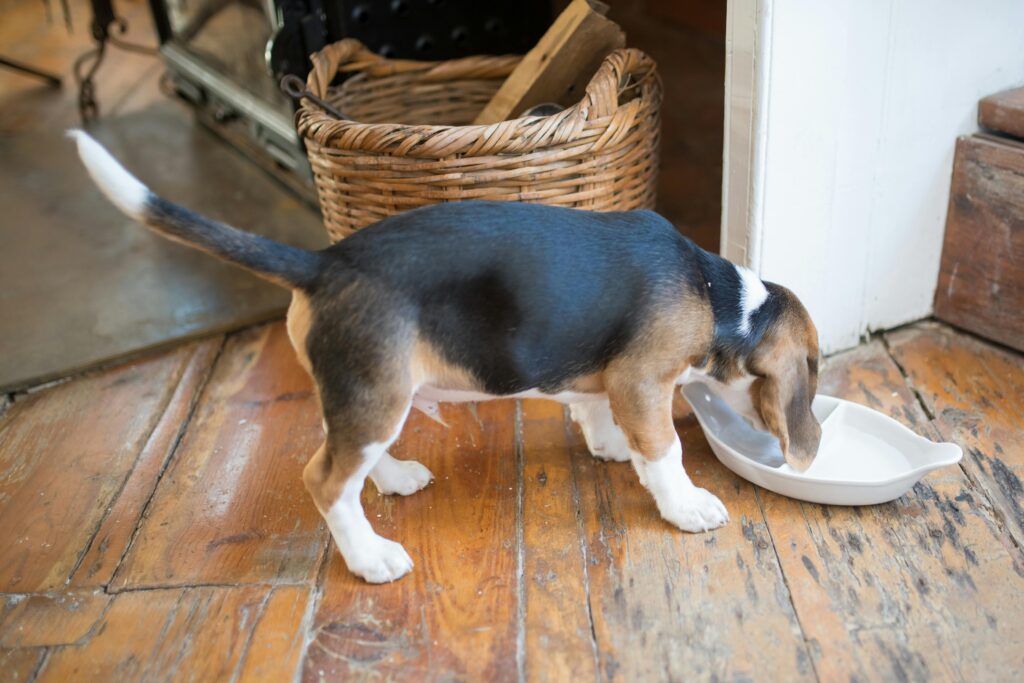
Many dogs, particularly those eating dry kibble exclusively, don’t consume sufficient water to maintain optimal urinary health. Increasing moisture intake through dietary modifications can significantly improve urinary tract health in susceptible dogs. High-moisture meals provide hydration directly through food, ensuring dogs receive adequate fluids even if they’re not enthusiastic water drinkers. Dogs consuming moisture-rich foods typically produce more dilute urine and urinate more frequently, both factors that help prevent dog urinary tract infections from developing or recurring.
Cranberries and Vitamin C for Dog Urinary Tract Infections
Cranberries have gained recognition for their potential role in urinary tract health, primarily due to compounds called proanthocyanidins (PACs) that may prevent bacteria from adhering to bladder wall surfaces. While research in humans has shown mixed results, the theoretical mechanism suggests that if bacteria cannot firmly attach to the bladder lining, they’re more easily flushed out during urination before establishing infection. In dogs, cranberry supplementation has been explored as a preventive measure for recurrent urinary tract infections, though it should not replace antibiotic treatment for active infections.
Vitamin C (ascorbic acid) acidifies urine, potentially creating a less favorable environment for certain bacterial species that thrive in alkaline conditions. However, urine pH management for dog urinary tract infections requires veterinary oversight, as inappropriate acidification can contribute to certain types of bladder stone formation. Some veterinarians recommend vitamin C supplementation for dogs with recurrent infections caused by bacteria that prefer alkaline environments, but this intervention should always be implemented under professional guidance based on urine culture results and pH monitoring.
Mineral Balance and Bladder Stone Prevention in Dogs
The relationship between diet and bladder stone formation significantly impacts urinary tract health in dogs. Different types of urinary stones—including struvite, calcium oxalate, urate, and cystine stones—form under specific conditions related to urine pH, mineral concentration, and genetic factors. Dog urinary tract infections can both cause and result from bladder stones, creating complicated situations that require comprehensive management addressing both infection and stone prevention.
Balanced mineral content in dog food helps prevent excessive urinary mineral concentration that can precipitate into crystals and stones. The calcium and phosphorus levels in Gourmet Pet Chef’s kibble (calcium not less than 1.10%, phosphorus not less than 0.90%) are formulated to support bone health while maintaining appropriate ratios for urinary health. However, dogs with history of specific stone types may require customized mineral modifications based on stone analysis and veterinary recommendations, as different stone types require different dietary management approaches.
Gourmet Pet Chef’s Approach to Urinary Health Support
At Gourmet Pet Chef, we recognize that supporting urinary health requires attention to multiple nutritional factors. Our chicken kibble includes organic cranberries among its antioxidant-rich ingredients, providing natural compounds that may support bladder health. The inclusion of vitamin-rich ingredients contributes to overall nutritional completeness while supporting immune function, which plays an important role in preventing dog urinary tract infections.
Our Chef Prepared fresh food offers particular advantages for dogs prone to urinary tract infections due to its unique preparation method. This dehydrated food is rehydrated with boiling water or heated in the microwave before serving, creating a high-moisture meal that significantly increases your dog’s fluid intake. By adding water directly to the food, you ensure your dog receives substantial hydration with every meal, promoting frequent urination and natural bladder flushing that helps prevent bacterial colonization.
Customized Nutrition for Dogs with Chronic UTIs
Dogs with recurrent urinary tract infections often benefit from tailored nutritional approaches that address their specific risk factors and stone formation tendencies. Some dogs require increased moisture beyond what standard feeding provides, while others need specific mineral modifications to prevent particular stone types. If your dog experiences frequent UTIs or has been diagnosed with bladder stones, working with veterinary guidance to optimize nutrition becomes essential.
For dogs with complex urinary health needs, our customizable food options allow for precise modifications based on veterinary recommendations and urine analysis results. Contact Gourmet Pet Chef to discuss custom formulations specifically designed for your dog’s urinary health requirements. Our nutrition experts can work with your veterinarian’s recommendations to develop meal plans that support bladder health while ensuring complete nutrition. When veterinarians prescribe specific therapeutic diets for managing recurrent urinary tract infections or bladder stones, our prescription food services can accommodate these requirements. Dogs with protein sensitivities or requiring alternative protein sources can explore our alternative protein options while maintaining urinary health support.
Comprehensive Management of Dog Urinary Tract Infections
Successfully preventing recurrent dog urinary tract infections requires a multi-faceted approach combining veterinary care, appropriate antibiotic treatment when needed, dietary modifications, and lifestyle management. Ensuring dogs have frequent opportunities to urinate prevents urine stagnation and bacterial proliferation. Maintaining clean genital areas, particularly in dogs with skin folds or heavy coats, reduces bacterial populations that could ascend into the urinary tract.
Regular veterinary monitoring for dogs with UTI history allows for early detection and intervention if infections recur. Urinalysis and urine culture help identify specific bacterial species and appropriate antibiotic selection, preventing antibiotic resistance that can develop when infections are treated empirically without culture guidance. If your dog continues experiencing urinary tract infections despite initial dietary and management changes, contact Gourmet Pet Chef to explore additional nutritional strategies and discuss whether custom formulations might better address your dog’s specific urinary health challenges. Through collaboration between pet owners, veterinarians, and nutrition experts, most dogs with recurrent UTIs can achieve better bladder health and reduced infection frequency, improving comfort and quality of life significantly.
How Can I Help My Dog with Urinary Tract Infections and Bladder Health? Read More »