Dog bad breath affects millions of pets and often signals more than just dental problems—it can indicate underlying digestive issues, gut imbalances, or dietary factors that require attention beyond regular tooth brushing. When dogs develop persistent bad breath, many pet owners assume the problem is purely dental and invest in dental chews or professional cleanings, only to find the odor returns quickly. Understanding that dog bad breath frequently originates from the digestive system rather than just the mouth empowers pet owners to address root causes through comprehensive approaches that include appropriate nutrition, gut health support, and veterinary care when needed.
Dog bad breath, medically termed halitosis, can range from mildly unpleasant to overwhelmingly foul, depending on the underlying cause. While periodontal disease certainly contributes to oral odor in many dogs, especially as they age, the connection between gut health and breath quality has gained increasing recognition in veterinary medicine. The digestive system hosts trillions of bacteria that influence not only digestion and nutrient absorption but also the odors produced during metabolic processes. When gut bacteria populations become imbalanced—a condition called dysbiosis—the resulting fermentation and metabolic byproducts can create odors that manifest as bad breath, making dietary interventions an important component of managing this common complaint.
Understanding the Causes of Dog Bad Breath
Dog bad breath stems from multiple potential sources, with dental disease being the most commonly recognized culprit. Plaque and tartar accumulation on teeth creates pockets where bacteria proliferate, producing volatile sulfur compounds that generate characteristic “dog breath” odor. However, according to veterinary dental specialists and research from the American Veterinary Dental College, persistent bad breath that doesn’t improve with dental cleaning or rapidly returns after professional treatment often indicates issues beyond the oral cavity requiring further investigation.
Gastrointestinal causes of dog bad breath include poor digestion, food intolerances, inflammatory bowel conditions, small intestinal bacterial overgrowth (SIBO), and dietary factors that promote unhealthy bacterial populations in the gut. When dogs struggle to properly digest their food, undigested proteins and carbohydrates can ferment in the intestines, producing gases and compounds that are absorbed into the bloodstream and eventually expelled through the lungs, creating breath odor. Additionally, some systemic diseases including kidney disease and diabetes can produce distinctive breath odors, making veterinary evaluation important for dogs with sudden or severe breath changes.
The Gut Health Connection to Dog Bad Breath
The gut microbiome—the complex community of bacteria, fungi, and other microorganisms living in the digestive tract—plays a crucial role in overall health including breath quality. When beneficial bacteria dominate the gut environment, they promote efficient digestion, produce helpful metabolic byproducts, and prevent overgrowth of odor-producing pathogenic bacteria. However, when this balance shifts toward unhealthy bacterial populations, often due to poor diet quality, antibiotic use, stress, or underlying disease, the resulting dysbiosis can contribute to dog bad breath along with other digestive symptoms like gas, loose stools, or poor appetite.
Probiotics—beneficial live microorganisms—can help restore healthy gut bacterial balance when incorporated into a dog’s diet. Multiple probiotic strains including Lactobacillus and Bacillus species have been studied in veterinary medicine for their ability to support digestive health and potentially reduce unpleasant odors by outcompeting harmful bacteria and producing compounds that maintain optimal gut pH. The effectiveness of probiotics depends on strain selection, viable organism counts, and consistent administration over time, making incorporation into daily nutrition an ideal delivery method.
Natural Breath-Freshening Ingredients for Dog Bad Breath
Certain herbs and whole food ingredients offer natural breath-freshening properties that can help manage dog bad breath while supporting overall health. Parsley contains chlorophyll, a natural deodorizer that may help neutralize odors, along with vitamins and antioxidants that support oral and digestive health. Fresh parsley has been traditionally used as a breath freshener in both human and veterinary applications, though it should be used in appropriate amounts as part of a balanced diet.
Mint, another herb with natural aromatic properties, provides a pleasant scent while potentially offering mild antimicrobial benefits. However, it’s important to distinguish between culinary mint herbs that are safe for dogs in small amounts and concentrated peppermint or spearmint essential oils, which can be problematic and should not be used without veterinary guidance. When incorporated appropriately into dog food formulations, these herbs may contribute to fresher breath while providing additional phytonutrients that support health.
Dietary Factors That Contribute to Dog Bad Breath
Low-quality ingredients and artificial additives in some commercial dog foods can contribute to dog bad breath by promoting unhealthy gut bacteria populations and poor digestion. Foods containing excessive amounts of simple carbohydrates, artificial colors, flavors, and preservatives may feed harmful bacteria while failing to provide the nutritional quality needed for optimal digestive function. Additionally, some dogs develop food sensitivities to specific ingredients like corn, wheat, or certain proteins, leading to chronic inflammation and digestive upset that manifests as bad breath among other symptoms.
The digestibility of protein sources significantly impacts both nutrient utilization and potential for odor production. Highly digestible proteins from quality meat sources are efficiently broken down and absorbed, leaving less undigested material to ferment in the intestines. Conversely, low-quality protein meals, excessive plant proteins, or poorly processed ingredients may pass through partially undigested, providing substrate for bacterial fermentation that contributes to gas, digestive upset, and bad breath.
Gourmet Pet Chef’s Approach to Supporting Fresh Breath
At Gourmet Pet Chef, we understand that dog bad breath often reflects internal health, which is why our formulations focus on supporting digestive wellness alongside providing fresh, wholesome nutrition. Our chicken kibble includes organic parsley among its whole food ingredients, providing natural breath-freshening properties along with valuable nutrients. The kibble also contains multiple probiotic strains including Lactobacillus acidophilus, Lactobacillus casei, Enterococcus faecium, and several Bacillus species that support healthy gut bacterial balance.
With highly digestible protein sources providing not less than 28% crude protein, our formulations offer concentrated nutrition that dogs can efficiently utilize, reducing the undigested material available for fermentation. The crunchy texture of our kibble also provides mechanical cleaning action on teeth during chewing, helping manage plaque accumulation that can contribute to oral sources of bad breath. Our foods exclude corn, soy, wheat, and artificial preservatives—ingredients that may contribute to digestive upset and breath odor in sensitive dogs.
Our Chef Prepared fresh food offers an alternative format featuring simple, whole food ingredients that are easy to digest. The fresh format may be particularly beneficial for dogs with sensitive digestive systems or those who struggle with kibble digestion, potentially helping address gut-related causes of bad breath through improved nutrient absorption and reduced fermentation.
Customized Solutions for Complex Dog Bad Breath Cases
While many dogs experience improvement in breath quality when switched to high-quality, digestible diets with probiotic support, some cases of dog bad breath require more targeted interventions. Dogs with chronic digestive issues, multiple food sensitivities, or underlying health conditions may need customized nutritional approaches that address their specific needs. If your dog continues experiencing bad breath despite dental care and dietary improvements, contact Gourmet Pet Chef to discuss custom formulations specifically designed for your dog’s unique health situation.
Our customizable food options allow for precise modifications to address individual digestive needs, incorporate specific probiotic strains at therapeutic levels, or adjust ingredient profiles to avoid known sensitivities contributing to gut dysbiosis and bad breath. For dogs requiring veterinary-prescribed dietary interventions for digestive conditions, our prescription food services can implement these recommendations using our high-quality, digestible ingredients. If protein sensitivities contribute to your dog’s digestive issues and bad breath, explore our alternative protein options to identify the most appropriate protein source for optimal digestion.
When Dog Bad Breath Requires Veterinary Attention
While dietary improvements can significantly impact dog bad breath arising from digestive causes, certain situations warrant immediate veterinary evaluation. Sudden onset of severely foul breath, especially accompanied by lethargy, vomiting, diarrhea, or appetite loss, may indicate serious conditions requiring medical intervention. Breath that smells sweet or fruity could indicate diabetes, while ammonia-like breath odor may suggest kidney disease—both requiring prompt veterinary care.
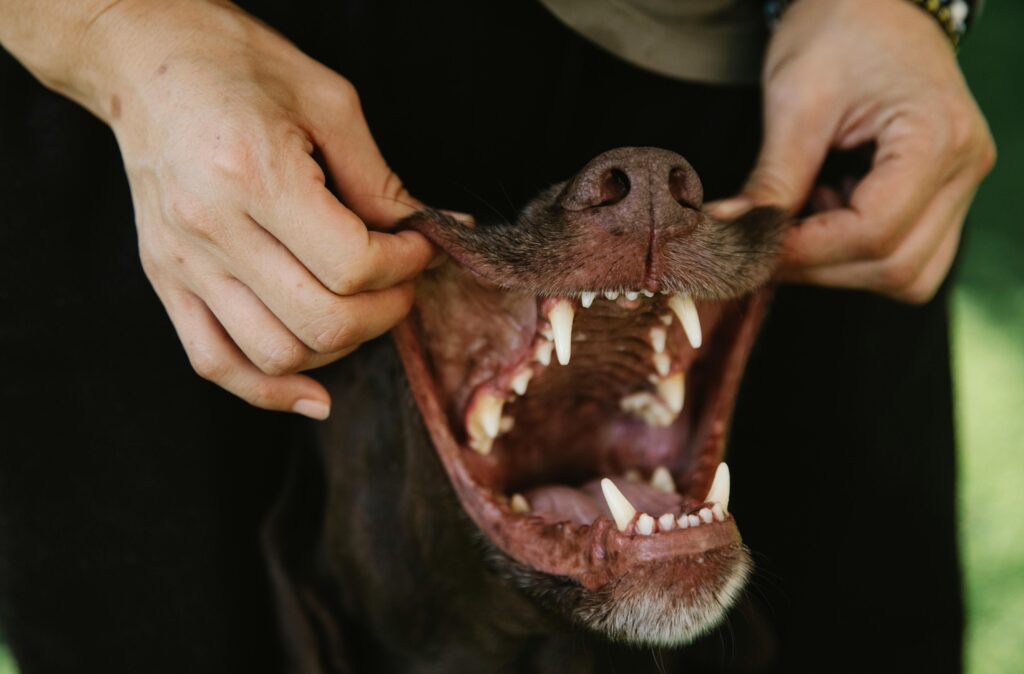
Regular dental examinations remain important even when addressing gut-related causes of dog bad breath, as dental disease requires professional treatment to prevent tooth loss, pain, and systemic infection. The most effective approach combines appropriate dental care, high-quality digestible nutrition with probiotic support, and veterinary monitoring to ensure your dog’s bad breath doesn’t signal underlying health problems. If you’re uncertain about the best nutritional approach for your dog’s specific bad breath concerns, contact Gourmet Pet Chef to connect with our nutrition experts who can help develop a targeted feeding plan that supports fresh breath, healthy digestion, and overall wellbeing for your beloved companion.