Clicky

Senior Care

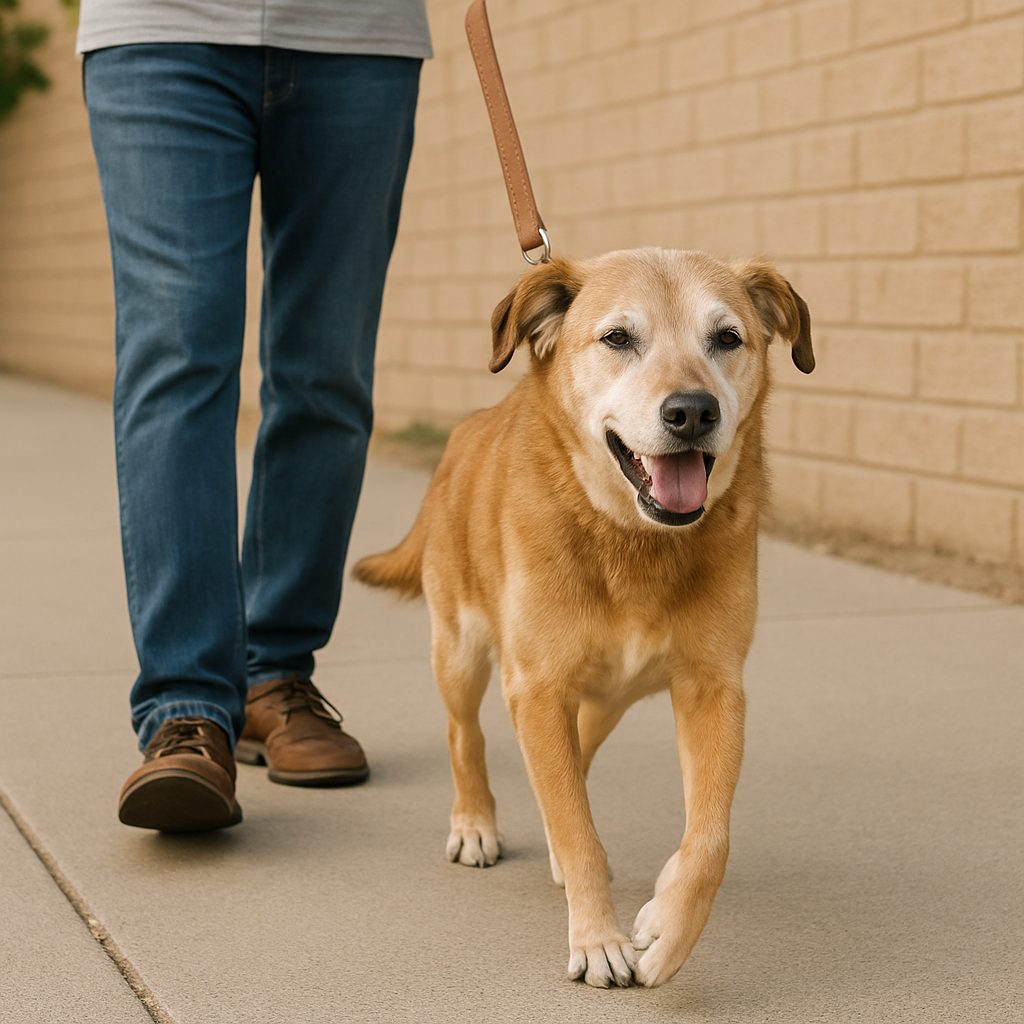
Senior dog maintaining strong muscles through high-protein nutrition and exercise

How Can I Help My Dog Maintain Muscle Mass and Strength?

Dog muscle loss represents a significant concern for both aging canines experiencing sarcopenia and highly active dogs whose performance and recovery depend on maintaining optimal muscle mass. When dogs lose muscle mass, they experience reduced strength, decreased mobility, compromised immune function, and diminished quality of life that affects their ability to engage in activities they once enjoyed. Understanding the causes of dog muscle loss and implementing appropriate nutritional strategies can help senior dogs maintain independence and vitality while supporting active dogs’ performance and recovery needs throughout their working or athletic careers.

Dog muscle loss occurs through various mechanisms depending on the underlying cause—senior dogs typically experience age-related sarcopenia where muscle protein synthesis decreases while muscle protein breakdown remains constant or increases, resulting in gradual muscle wasting. Active and working dogs may experience muscle loss when their protein and calorie intake fails to meet the demands of their activity level, or when inadequate recovery nutrition prevents proper muscle repair and rebuilding after exercise. Both scenarios require targeted nutritional interventions that prioritize high-quality protein and appropriate calorie density to prevent or reverse muscle loss and maintain optimal body condition.

Understanding Dog Muscle Loss in Senior Dogs

Dog muscle loss in aging canines represents a natural but manageable consequence of the aging process, affecting an estimated 30-40% of senior dogs to varying degrees. Sarcopenia—the medical term for age-related muscle loss—develops as dogs experience hormonal changes, reduced physical activity, decreased protein synthesis efficiency, and sometimes chronic low-grade inflammation that accelerates muscle breakdown. According to research from the American Animal Hospital Association, muscle loss in senior dogs significantly impacts longevity and quality of life, making nutritional intervention an important component of geriatric care.

Senior dogs experiencing muscle loss often show subtle signs initially—slight decrease in activity level, difficulty rising from rest, reduced jumping ability, or decreased endurance during walks. As muscle loss progresses, dogs may develop visible loss of muscle mass over the hips, shoulders, and spine, increased body fat percentage even without weight gain, weakness in the rear legs, and general frailty that limits their mobility and independence. Early recognition and nutritional intervention can slow or potentially reverse muscle loss in many senior dogs, preserving their quality of life and functional capacity.

Protein Requirements for Preventing Dog Muscle Loss

High-quality protein forms the foundation of any strategy to prevent or address dog muscle loss, as dietary protein provides the amino acids necessary for maintaining and rebuilding muscle tissue. Contrary to outdated beliefs that senior dogs require reduced protein intake, current veterinary nutrition research indicates that older dogs actually need higher protein levels than younger adults to maintain muscle mass due to decreased protein synthesis efficiency. The quality and digestibility of protein sources become particularly crucial for dogs managing muscle loss, as their bodies must efficiently extract and utilize amino acids from dietary protein.

Complete animal proteins from sources like chicken, beef, and fish provide all essential amino acids in appropriate ratios for canine muscle protein synthesis. These whole meat proteins offer superior bioavailability compared to plant-based proteins or heavily processed meat by-products, meaning dogs can more efficiently utilize the amino acids for muscle maintenance and repair. For dogs experiencing or at risk for muscle loss, protein should comprise a significant portion of their caloric intake—veterinary nutritionists often recommend 25-35% of calories from protein for senior dogs, and even higher percentages for highly active dogs with elevated protein requirements.

Supporting Active and Working Dogs’ Muscle Needs

Dog muscle loss doesn’t only affect senior dogs—highly active, working, and athletic dogs face their own muscle maintenance challenges related to the physical demands placed on their bodies. Performance dogs, agility competitors, hunting dogs, and working breeds require elevated protein intake to support muscle recovery after exercise, prevent exercise-induced muscle damage, and maintain the lean muscle mass essential for their work. When active dogs don’t receive adequate protein and calories to match their energy expenditure, they may develop muscle loss despite being young and otherwise healthy.

Active dogs benefit from protein intake at the higher end of recommended ranges or even exceeding standard guidelines, with some performance dogs thriving on diets where protein provides 30-40% or more of total calories. The timing and quality of protein intake also matters for active dogs—providing high-quality protein shortly after exercise supports optimal muscle recovery and adaptation. Amino acids from dietary protein serve as building blocks for muscle repair and growth, making real meat-based proteins essential for active dogs managing the physical stress of regular intense activity.

The Role of Healthy Fats in Muscle Maintenance

While protein receives primary attention in discussions of dog muscle loss prevention, healthy fats play crucial supporting roles in muscle maintenance and overall health. Fats provide concentrated energy that helps dogs meet their caloric needs without excessive food volume, which can be particularly important for senior dogs with reduced appetites or active dogs with high energy requirements. The omega-3 fatty acids found in fish oil and other marine sources offer anti-inflammatory benefits that may help reduce exercise-induced inflammation and support muscle recovery in active dogs.

Fat-soluble vitamins A, D, E, and K require dietary fat for absorption, and these vitamins support various aspects of muscle function and overall health. Vitamin D, for instance, plays important roles in muscle protein synthesis and muscle strength, while vitamin E functions as an antioxidant protecting muscle tissues from oxidative damage during exercise. A balanced fat profile with appropriate omega-3 to omega-6 ratios supports overall health while providing sustained energy for both senior dogs maintaining daily activities and active dogs performing athletic work.

Gourmet Pet Chef’s High-Protein Solutions for Dog Muscle Loss

At Gourmet Pet Chef, we recognize that preventing and addressing dog muscle loss requires exceptional protein quality and quantity. Our chicken kibble delivers a guaranteed crude protein content of not less than 28%, with protein derived from multiple high-quality sources including deboned chicken, chicken meal, and menhaden fish meal. This multi-source protein approach ensures comprehensive amino acid profiles that support muscle protein synthesis and maintenance in both senior dogs fighting muscle loss and active dogs building and maintaining performance muscle.

Our formulation provides crude fat content of not less than 15%, offering concentrated energy from quality sources including chicken fat preserved with natural mixed tocopherols and beneficial coconut oil. The omega-3 fatty acid content (not less than 0.6%) and omega-6 fatty acid content (not less than 2.6%) support anti-inflammatory processes and overall health alongside muscle maintenance. For dogs requiring different formats or preferring fresh food, our Chef Prepared fresh food features real chicken as the primary ingredient, providing high-quality protein in a highly palatable format that even dogs with reduced appetite find appealing.

Customized High-Protein Nutrition for Severe Dog Muscle Loss

Some dogs experiencing significant muscle loss or having extremely high protein requirements may benefit from customized formulations that exceed standard protein levels. Senior dogs with advanced sarcopenia, dogs recovering from illness or surgery, and elite performance dogs may require specialized nutrition beyond what off-the-shelf products provide. If your dog shows signs of progressive muscle loss despite feeding a high-quality diet, contact Gourmet Pet Chef to discuss custom formulations that can be tailored to your dog’s specific protein and calorie needs.

Our customizable food options allow for modifications including increased meat content for higher protein density, adjustments to fat levels for appropriate calorie content, and incorporation of specific ingredients that support muscle maintenance and recovery. For dogs with veterinary-diagnosed conditions contributing to muscle loss, our prescription food services can work within your veterinarian’s recommendations to provide appropriate nutrition. Dogs with sensitivities to chicken can explore our alternative protein options including beef and fish formulations that provide equally high-quality protein from different sources.

Comprehensive Approach to Managing Dog Muscle Loss

Successfully preventing or reversing dog muscle loss requires more than nutrition alone—combining appropriate diet with other interventions maximizes results. Senior dogs benefit from regular gentle exercise that stimulates muscle maintenance without causing injury or excessive fatigue. Swimming, controlled leash walks, and low-impact activities help preserve muscle mass while accommodating reduced stamina and potential joint issues. Physical rehabilitation exercises prescribed by veterinary rehabilitation specialists can target specific muscle groups affected by muscle loss.

pexels gabriel crisan 1108466 2172162

Regular veterinary monitoring helps identify underlying causes of dog muscle loss that may require medical intervention—conditions like Cushing’s disease, hypothyroidism, or chronic kidney disease can contribute to muscle wasting and require specific treatments alongside nutritional management. Body condition scoring and muscle condition scoring at veterinary visits provide objective measurements of whether nutritional interventions are successfully maintaining or rebuilding muscle mass. If your senior dog continues losing muscle despite high-protein nutrition, or if your active dog isn’t maintaining appropriate muscle condition, contact Gourmet Pet Chef to explore additional nutritional strategies and ensure you’re providing optimal support for your dog’s muscle health needs. Through the combination of protein-rich nutrition, appropriate exercise, and veterinary oversight, most dogs experiencing muscle loss can achieve improvement and maintain strength, mobility, and quality of life throughout their senior years or athletic careers.

How Can I Help My Dog Maintain Muscle Mass and Strength? Read More »

Dog enjoying antioxidant-rich nutrition supporting overall health and wellbeing

How Can I Support My Dog’s Health During Cancer Treatment?

Dog cancer represents one of the most devastating diagnoses pet owners can receive, affecting approximately one in four dogs during their lifetime and becoming increasingly common as dogs age. When dogs are diagnosed with cancer or are undergoing cancer treatment, proper nutrition becomes a critical component of their comprehensive care plan, supporting immune function, maintaining body condition, and potentially improving quality of life during this challenging time. Understanding the relationship between nutrition and cancer in dogs helps pet owners make informed decisions that may support their dog’s overall health and wellbeing alongside veterinary oncology treatment.

Dog cancer encompasses many different types of malignancies, from lymphoma and mast cell tumors to osteosarcoma and hemangiosarcoma, each with unique characteristics and treatment approaches. While genetics, age, environmental factors, and breed predisposition play significant roles in cancer development, emerging research in veterinary oncology explores how nutrition and lifestyle factors may influence cancer risk and progression in dogs. Pet owners increasingly seek ways to support their dogs’ health through dietary choices, particularly when facing a cancer diagnosis or wanting to provide the best possible foundation for long-term health.

Understanding Dog Cancer Risk Factors and Prevention

Dog cancer develops through complex interactions between genetic predisposition, environmental exposures, and cellular changes that accumulate over time. Certain breeds face elevated cancer risks—Golden Retrievers, Boxers, Bernese Mountain Dogs, and Rottweilers show higher incidence rates for various cancer types compared to other breeds. According to the Morris Animal Foundation, age remains one of the strongest risk factors, with cancer rates increasing significantly in dogs over seven years old.

While no diet can guarantee cancer prevention in dogs, research suggests that certain dietary factors may influence cancer risk and progression. Chronic inflammation, oxidative stress, obesity, and exposure to potential carcinogens through diet represent modifiable factors that pet owners can address through thoughtful nutritional choices. The goal of cancer-preventive nutrition isn’t to claim miraculous cancer-fighting properties, but rather to provide comprehensive nutritional support that promotes optimal cellular health and immune function.

The Role of Antioxidants in Supporting Dog Cancer Patients

Antioxidants are compounds that help neutralize free radicals—unstable molecules that can damage cells and DNA, potentially contributing to cancer development and progression. Foods naturally rich in antioxidants, such as blueberries, spinach, and other colorful fruits and vegetables, contain various beneficial compounds including vitamins C and E, carotenoids, and polyphenols that support cellular health. In the context of dog cancer, antioxidant-rich foods may help protect healthy cells from oxidative damage, though pet owners should always consult with their veterinary oncologist about appropriate nutrition during active cancer treatment.

Blueberries contain particularly high levels of anthocyanins and other antioxidant compounds that have been studied for their potential cellular protective effects. Spinach provides lutein, beta-carotene, and various vitamins that contribute to overall nutritional quality. Turmeric, containing the active compound curcumin, has been extensively researched for its anti-inflammatory and antioxidant properties, though the bioavailability and appropriate dosing in dogs requires careful consideration and veterinary guidance.

Protein Requirements for Dogs with Cancer

High-quality protein becomes especially important for dogs managing cancer, as cancer cells preferentially metabolize carbohydrates for energy while the dog’s body requires adequate protein to maintain muscle mass, support immune function, and facilitate healing. Cancer cachexia—a syndrome of progressive weight loss and muscle wasting—commonly affects dogs with cancer, making protein intake a critical nutritional consideration. Unlike cancer cells, healthy tissues efficiently utilize protein and fat for energy, making high-protein, moderate-fat diets potentially beneficial for dogs with cancer.

Research in veterinary oncology nutrition suggests that dogs with cancer may benefit from diets containing 30-50% of calories from high-quality protein sources, though specific recommendations should be individualized based on cancer type, treatment stage, and overall health status. The digestibility and amino acid profile of protein sources matter significantly—whole meat proteins provide complete amino acid profiles that support tissue maintenance and immune function more effectively than plant-based or heavily processed protein sources.

Avoiding Potentially Harmful Additives in Dog Cancer Nutrition

When supporting a dog with cancer or aiming to provide cancer-preventive nutrition, avoiding unnecessary additives, artificial preservatives, and low-quality ingredients becomes particularly important. Some artificial colors, flavors, and preservatives have raised concerns in both human and veterinary nutrition research, though definitive causal links to cancer in dogs remain under investigation. The precautionary principle suggests choosing foods free from these additives when possible, especially for dogs with compromised health or increased cancer risk.

Common fillers like corn, wheat, and soy—while not inherently carcinogenic—provide minimal nutritional value compared to whole food ingredients and may contribute to inflammation in some dogs. High-quality dog foods that exclude these fillers and focus on nutrient-dense whole food ingredients offer more concentrated nutrition per calorie, which can be especially beneficial for dogs with reduced appetite or increased nutritional needs during cancer treatment.

Gourmet Pet Chef’s Approach to Cancer-Supportive Nutrition

At Gourmet Pet Chef, our formulations naturally include antioxidant-rich ingredients that support overall cellular health and immune function. Our chicken kibble contains organic blueberries, organic spinach, organic kale, organic parsley, and turmeric—all ingredients studied for their antioxidant and anti-inflammatory properties. These whole food ingredients provide not just single isolated compounds but complex matrices of beneficial nutrients that work synergistically to support health.

With a guaranteed crude protein content of not less than 28%, our kibble provides substantial high-quality protein from multiple meat sources including deboned chicken, chicken meal, and menhaden fish meal. This protein-rich formulation supports muscle maintenance and immune function, which are particularly important considerations for dogs managing cancer or recovering from cancer treatment. Our Chef Prepared fresh food offers similar high-quality nutrition in a fresh format, featuring real chicken and vegetables without artificial additives or preservatives.

What We Exclude: A Clean Ingredient Philosophy

Gourmet Pet Chef formulations specifically exclude ingredients of concern for health-conscious pet owners. Our foods contain no by-products, no rendered animal fats, no corn, no glutens, no soy, no artificial preservatives, no wheat, no BHT, no ethoxyquin, no added sugar, and no artificial flavors, colors, or dyes. This clean ingredient philosophy means dogs receive concentrated nutrition from whole food sources without unnecessary additives that provide no nutritional benefit.

For dogs requiring specialized nutrition during cancer treatment, our customizable food options allow for modifications based on veterinary oncologist recommendations. If your veterinarian has prescribed specific dietary interventions for cancer support, our prescription food services can accommodate these requirements while maintaining ingredient quality. Dogs with protein sensitivities or specific dietary needs can access our alternative protein options to ensure appropriate nutrition regardless of restrictions.

Working with Your Veterinary Oncologist on Dog Cancer Nutrition

Nutrition for dogs with cancer requires individualized approaches based on cancer type, treatment modality, current body condition, and overall health status. Some dogs undergoing chemotherapy may experience nausea or appetite changes requiring highly palatable, easily digestible foods. Others may need calorie-dense nutrition to combat weight loss, while some require specific nutrient modifications based on organ function or treatment side effects. Always discuss dietary changes with your veterinary oncologist before modifying your dog’s nutrition during cancer treatment.

Dog enjoying antioxidant-rich nutrition supporting overall health and wellbeing

While facing a dog cancer diagnosis remains one of the most difficult experiences for pet owners, advances in veterinary oncology continue improving treatment outcomes and quality of life for affected dogs. Nutrition serves as one component of comprehensive cancer care—not a cure or guaranteed prevention, but a foundation for supporting overall health, immune function, and quality of life. By choosing nutrient-dense, antioxidant-rich foods like those offered by Gourmet Pet Chef and working closely with your veterinary care team, you provide your dog with the best possible nutritional support during their cancer journey or throughout their life to promote optimal wellness.

How Can I Support My Dog’s Health During Cancer Treatment? Read More »

Healthy dog with strong bones supported by balanced nutrition and proper mineral ratios

How Can I Help My Dog with Weak Bones and Growth Issues?

Dog weak bones represent a serious health concern that affects puppies during critical growth periods and senior dogs experiencing age-related bone density loss, potentially leading to fractures, mobility problems, and compromised quality of life. When dogs develop weak bones, their skeletal system cannot provide adequate support for normal activities, increasing the risk of injuries and limiting their ability to enjoy active, healthy lives. Dog weak bones often stem from nutritional deficiencies, imbalanced mineral ratios, or inadequate absorption of bone-building nutrients that are essential for maintaining skeletal strength throughout all life stages.

Understanding that dog weak bones can be prevented and improved through targeted nutritional intervention provides hope for pet owners concerned about their companion’s skeletal health and development. The relationship between nutrition and bone health in dogs is complex and critical, involving precise balances of calcium, phosphorus, vitamin D, vitamin K, and magnesium that work synergistically to support bone formation, mineralization, and maintenance. Recognizing dog weak bones as a preventable and treatable condition through proper nutrition empowers pet owners to take proactive steps toward ensuring their dogs develop and maintain strong, healthy skeletal systems throughout their lives.

The Science Behind Dog Weak Bones and Skeletal Development

Dog weak bones develop when the delicate balance of bone formation and bone resorption becomes disrupted due to nutritional deficiencies, improper mineral ratios, or inadequate absorption of essential bone-building nutrients. During puppyhood, rapid growth places enormous demands on the skeletal system, requiring precise nutrition to support proper bone development and prevent growth abnormalities that can persist throughout life. Senior dogs face different challenges as age-related changes in hormone levels and nutrient absorption can lead to decreased bone density and increased fracture risk.

The calcium-to-phosphorus ratio plays a fundamental role in bone health, with optimal ratios typically ranging from 1.2:1 to 1.4:1 for most dogs. When this ratio becomes imbalanced, either through excessive phosphorus or inadequate calcium, dogs can develop weak bones even when total mineral intake appears adequate. According to research published in the Journal of Animal Science, improper calcium-phosphorus ratios during growth can result in skeletal abnormalities, delayed growth, and increased susceptibility to fractures that may persist into adulthood.

Nutritional Deficiencies That Cause Dog Weak Bones

Calcium deficiency represents the most obvious cause of dog weak bones, but the problem often extends beyond simple calcium intake to include issues with absorption, utilization, and interaction with other essential nutrients. Many commercial dog foods contain adequate calcium levels but fail to provide the cofactors necessary for optimal calcium absorption and utilization, leading to functional calcium deficiency despite adequate intake. Vitamin D deficiency significantly impairs calcium absorption in the intestines, while vitamin K deficiency affects the proteins responsible for calcium binding in bone tissue.

Magnesium deficiency also contributes to dog weak bones by interfering with calcium metabolism and bone mineralization processes. This essential mineral activates the enzymes responsible for bone formation while supporting vitamin D metabolism and calcium absorption. Dogs receiving inadequate magnesium may develop weak bones even when calcium and phosphorus levels appear appropriate, highlighting the interconnected nature of bone-building nutrients and the importance of comprehensive nutritional approaches to skeletal health.

The Critical Role of Vitamin D in Preventing Dog Weak Bones

Vitamin D serves as the master regulator of calcium absorption and bone metabolism, making it essential for preventing and treating dog weak bones throughout all life stages. This crucial vitamin enhances calcium absorption in the intestines, regulates calcium and phosphorus levels in the blood, and promotes proper bone mineralization through its effects on bone-building cells called osteoblasts. Dogs with inadequate vitamin D status cannot effectively utilize dietary calcium, leading to weak bones regardless of calcium intake levels.

Unlike humans who can synthesize vitamin D through sun exposure, dogs have limited ability to produce this vitamin through their skin due to their fur coverage, making dietary sources particularly important for maintaining adequate levels. Fatty fish like salmon provide excellent natural sources of vitamin D, while certain mushrooms and fortified foods can contribute to overall vitamin D status. The combination of adequate vitamin D with properly balanced calcium and phosphorus creates the foundation for strong, healthy bones throughout a dog’s life.

Vitamin K: The Overlooked Nutrient for Dog Weak Bones

Vitamin K plays a crucial but often overlooked role in bone health by activating proteins responsible for calcium binding and bone mineralization, making it essential for preventing dog weak bones and supporting optimal skeletal development. This fat-soluble vitamin activates osteocalcin, a protein that helps incorporate calcium into bone tissue, while also supporting the production of other bone matrix proteins that provide structural integrity to the skeletal system. Dogs with vitamin K deficiency may experience impaired bone formation and increased fracture risk even when other bone-building nutrients are adequate.

Leafy green vegetables like kale provide excellent sources of vitamin K1, while certain fermented foods and animal products contain vitamin K2, which may be particularly beneficial for bone health. The inclusion of vitamin K-rich foods in dog diets helps ensure optimal bone mineralization while supporting the complex biochemical processes that maintain skeletal strength and integrity throughout life.

Magnesium: The Bone Health Mineral You Might Be Missing

Magnesium functions as a critical cofactor in over 300 enzymatic reactions related to bone health, making it essential for preventing dog weak bones and supporting optimal skeletal development and maintenance. This vital mineral activates vitamin D, supports calcium absorption, and directly participates in bone formation processes while helping regulate calcium and phosphorus levels in the blood. Dogs with magnesium deficiency often develop weak bones characterized by poor mineralization and increased fracture susceptibility.

Natural sources of magnesium include leafy green vegetables, nuts, seeds, and certain legumes like black beans and lentils. The bioavailability of magnesium from whole food sources tends to be superior to synthetic supplements, making nutrient-dense foods the preferred approach for addressing magnesium needs in dogs with weak bones or those at risk for skeletal problems.

High-Quality Protein: Building Blocks for Strong Bones

High-quality protein provides the essential amino acids necessary for bone matrix formation and the muscle development that supports skeletal health, making it crucial for preventing dog weak bones and supporting optimal growth and development. Collagen, the primary protein component of bone tissue, requires specific amino acids like glycine, proline, and hydroxyproline that must be obtained through dietary protein sources. Adequate protein intake also supports muscle mass development, which places beneficial stress on bones and stimulates bone formation through mechanical loading.

The quality and digestibility of protein sources significantly impact their effectiveness in supporting bone health, with complete proteins from sources like chicken, salmon, and eggs providing optimal amino acid profiles for bone and muscle development. These high-quality proteins also support the production of growth factors and hormones that regulate bone formation and remodeling throughout life.

Special Considerations for Puppies and Growing Dogs

Puppies face unique challenges related to bone development that require carefully balanced nutrition to prevent weak bones and growth abnormalities that can persist throughout life. Rapid growth during puppyhood creates enormous nutritional demands that must be met through precise ratios of calcium, phosphorus, and other bone-building nutrients. Over-supplementation with calcium can be as problematic as deficiency, potentially leading to developmental orthopedic diseases and growth abnormalities.

Large breed puppies are particularly susceptible to growth-related bone problems due to their rapid growth rates and extended growth periods that can last 18-24 months. These dogs require specialized nutrition that supports controlled growth rates while providing adequate nutrients for proper skeletal development without promoting excessive growth that can stress developing joints and bones.

Senior Dog Bone Health and Age-Related Changes

Senior dogs experience age-related changes in bone metabolism that can lead to decreased bone density and increased fracture risk, making targeted nutrition essential for maintaining skeletal health in older dogs. Decreased hormone levels, reduced physical activity, and changes in nutrient absorption can all contribute to bone loss in senior dogs, requiring enhanced nutritional support to maintain bone strength and prevent fractures.

Older dogs may benefit from easily digestible sources of bone-building nutrients and enhanced levels of certain vitamins and minerals to compensate for decreased absorption efficiency. The combination of appropriate nutrition with gentle exercise helps maintain bone density while supporting overall health and mobility in senior dogs.

Gourmet Pet Chef’s Solutions for Dog Weak Bones

At Gourmet Pet Chef, we understand that dog weak bones require comprehensive nutritional support that goes beyond basic calcium supplementation to include the full spectrum of bone-building nutrients in proper ratios and bioavailable forms. Our enhanced formulations for bone health feature carefully balanced calcium-phosphorus ratios combined with vitamin D, vitamin K, and magnesium from natural food sources that support optimal absorption and utilization.

Our bone-supporting recipes incorporate salmon as a natural source of vitamin D and high-quality protein, while nutrient-dense vegetables like kale provide vitamin K and additional minerals essential for bone health. The inclusion of carefully selected legumes like black beans and lentils provides plant-based protein and minerals while supporting overall nutritional density. For dogs requiring our standard formulations, our chicken kibble and Chef Prepared fresh food provide excellent foundational nutrition that can be enhanced with bone-supporting ingredients as needed.

Customized Nutrition for Complex Bone Health Issues

For dogs with severe bone weakness, growth abnormalities, or complex skeletal health challenges, our customizable food options allow pet owners to work with nutrition experts to develop feeding plans specifically tailored to address individual bone health needs and growth requirements. These customized approaches can adjust mineral ratios, incorporate therapeutic levels of bone-building nutrients, and address any underlying health conditions that may affect skeletal development or maintenance.

When veterinarians recommend specific nutritional protocols for managing bone health issues or supporting recovery from fractures, our prescription food services can accommodate these requirements while maintaining the high-quality, natural approach that supports optimal nutrient absorption and utilization. Our alternative protein options provide flexibility for dogs with food sensitivities while ensuring they receive the complete amino acid profiles necessary for bone and muscle health.

Monitoring Progress and Long-Term Bone Health

Successfully addressing dog weak bones requires consistent nutritional support combined with appropriate exercise and regular veterinary monitoring to track improvements in bone density and overall skeletal health. Most dogs show improvements in bone strength and development within 8-12 weeks of implementing targeted nutritional interventions, though complete bone remodeling and strengthening may take several months depending on age, severity of deficiency, and individual factors.

Healthy dog with strong bones supported by balanced nutrition and proper mineral ratios

The foundation of strong, healthy bones throughout a dog’s life lies in providing comprehensive nutrition that includes properly balanced minerals, essential vitamins, and high-quality proteins in forms that support optimal absorption and utilization. With Gourmet Pet Chef’s commitment to scientifically formulated nutrition featuring natural sources of bone-building nutrients, dogs can develop and maintain the skeletal strength necessary for active, healthy lives while preventing the complications associated with weak bones and poor growth.

How Can I Help My Dog with Weak Bones and Growth Issues? Read More »

How Can I Help My Dog with Joint Pain and Mobility Issues?

Dog joint pain affects millions of canines worldwide, particularly impacting older dogs and certain breeds prone to orthopedic conditions like arthritis and hip dysplasia. When dogs experience joint pain, their quality of life diminishes significantly as they struggle with basic activities like climbing stairs, jumping onto furniture, or enjoying their daily walks. This debilitating condition doesn’t just affect senior dogs—many younger dogs from breeds like Dachshunds, Corgis, French Bulldogs, and German Shepherds can develop joint pain due to genetic predispositions and structural characteristics that put extra stress on their joints.

Understanding dog joint pain is essential for every pet owner because early intervention through proper nutrition can dramatically slow progression and improve comfort levels. Many pet owners notice subtle signs like reluctance to play, stiffness after rest, or difficulty rising from lying positions, not realizing these are early indicators of joint pain that require immediate dietary and lifestyle adjustments. The connection between nutrition and joint health is profound, as certain nutrients can either promote inflammation and worsen joint pain or provide powerful anti-inflammatory benefits that support mobility and comfort.

Common Causes of Dog Joint Pain and Mobility Problems

Dog joint pain typically stems from several underlying conditions, with osteoarthritis being the most prevalent form affecting over 20% of adult dogs according to veterinary orthopedic specialists. Hip dysplasia, a genetic condition where the hip joint doesn’t form properly, creates chronic inflammation and pain that worsens over time without proper management. Elbow dysplasia, luxating patella (kneecap dislocation), and intervertebral disc disease are other common sources of joint pain that significantly impact a dog’s mobility and overall well-being.

Breed-specific factors play a crucial role in dog joint pain development, with larger breeds like Golden Retrievers, Labrador Retrievers, and German Shepherds being particularly susceptible to hip and elbow dysplasia. Conversely, smaller breeds such as Dachshunds face increased risk of spinal issues due to their elongated backs, while French Bulldogs and other brachycephalic breeds often develop joint problems related to their unique body structure. Age-related wear and tear, obesity, previous injuries, and genetic predisposition all contribute to the development and progression of joint pain in dogs.

Nutritional Solutions for Dog Joint Pain Management

High-protein diets play a fundamental role in managing dog joint pain by supporting muscle mass maintenance, which provides crucial support for compromised joints. When dogs lose muscle mass due to reduced activity from joint pain, the remaining muscles must work harder to support the body, creating a cycle of increased stress and discomfort. Quality protein sources help maintain lean muscle tissue, reducing the burden on painful joints while supporting overall mobility and strength.

Anti-inflammatory ingredients represent another critical component in nutritional management of dog joint pain. Turmeric, containing the active compound curcumin, has been extensively studied for its powerful anti-inflammatory properties and ability to reduce joint inflammation in both humans and animals. Fish oil, rich in omega-3 fatty acids EPA and DHA, provides natural anti-inflammatory benefits that can significantly reduce joint pain and stiffness when used consistently over time.

The Power of Omega-3 Fatty Acids for Dog Joint Pain

Research published in veterinary journals demonstrates that omega-3 fatty acids can reduce the need for non-steroidal anti-inflammatory drugs (NSAIDs) in dogs suffering from joint pain. These essential fatty acids work by blocking inflammatory pathways and promoting the production of specialized pro-resolving mediators that actively resolve inflammation rather than simply suppressing it. Dogs receiving adequate omega-3 supplementation often show improved mobility, reduced stiffness, and enhanced quality of life within 6-8 weeks of consistent use.

The optimal ratio and dosage of omega-3 fatty acids for managing dog joint pain depends on the dog’s size, severity of condition, and overall health status. According to the Veterinary Therapeutics Research Group, dogs with arthritis benefit from higher doses of EPA and DHA than typically found in standard dog foods, making targeted supplementation or specialized formulations essential for therapeutic effects.

Gourmet Pet Chef’s Joint Support Solutions

At Gourmet Pet Chef, we recognize that dogs with joint pain require specialized nutrition that goes beyond basic dietary needs. Our chicken kibble features high-quality protein sources and includes beneficial anti-inflammatory ingredients like turmeric, fish oil, and flaxseed to naturally support joint health and reduce inflammation associated with joint pain.

Our enhanced formulation for joint support includes additional dried chicken to boost protein content, supporting muscle maintenance crucial for dogs experiencing joint pain. The inclusion of fish oil powder provides concentrated omega-3 fatty acids in a shelf-stable form, while turmeric extract delivers standardized curcumin levels for consistent anti-inflammatory benefits. These targeted additions transform our already premium Chef Prepared fresh food into a therapeutic nutrition solution specifically designed for dogs managing joint pain.

Customized Nutrition for Severe Dog Joint Pain Cases

For dogs with advanced joint pain or multiple orthopedic conditions, our customizable food options allow for precise nutritional modifications to address individual needs. Working with our nutrition experts, pet owners can develop meal plans that incorporate specific concentrations of anti-inflammatory ingredients, adjust protein levels based on muscle condition, and eliminate any ingredients that might promote inflammation or worsen joint pain symptoms.

When veterinarians recommend specific therapeutic interventions for managing dog joint pain, our prescription food services can accommodate these requirements while maintaining the high-quality, natural ingredients that set Gourmet Pet Chef apart from conventional therapeutic diets. For dogs who may be sensitive to chicken protein, our alternative protein options including fish-based recipes provide the same joint-supporting benefits with different protein sources, ensuring every dog can access appropriate nutrition regardless of dietary sensitivities.

Lifestyle Factors That Complement Nutritional Management of Dog Joint Pain

While proper nutrition forms the foundation of joint pain management, combining dietary interventions with appropriate exercise, weight management, and environmental modifications maximizes therapeutic benefits. Maintaining optimal body weight reduces mechanical stress on joints, while controlled, low-impact exercise helps preserve joint mobility and muscle strength without exacerbating inflammation or pain.

Senior dog managing joint pain through proper nutrition and mobility support

The journey of managing dog joint pain requires patience, consistency, and a comprehensive approach that addresses both nutritional and lifestyle factors. With targeted nutrition like Gourmet Pet Chef’s joint-supporting formulations, combined with appropriate veterinary care and lifestyle modifications, dogs with joint pain can maintain comfortable, active lives well into their senior years while preserving the precious bond between pet and owner.

How Can I Help My Dog with Joint Pain and Mobility Issues? Read More »