How Can I Help Prevent Hip Dysplasia in My Dog?
Dog hip dysplasia represents one of the most common orthopedic conditions affecting canines, causing pain, mobility limitations, and significantly reduced quality of life for affected dogs and their families. Hip dysplasia in dogs occurs when the hip joint fails to develop properly, resulting in a loose, unstable joint where the ball and socket don’t fit together correctly, leading to progressive deterioration, inflammation, and eventually arthritis. While genetics play the primary role in hip dysplasia development, environmental factors including nutrition during critical growth periods can significantly influence whether genetically predisposed dogs develop clinical signs and how severely the condition manifests.
Understanding dog hip dysplasia becomes especially important for owners of high-risk breeds, as early intervention through appropriate nutrition and lifestyle management may help reduce severity even when genetic predisposition exists. Dog hip dysplasia affects both large and small breeds, though the condition manifests somewhat differently across size categories. Large breeds like Labrador Retrievers, Golden Retrievers, German Shepherds, and Rottweilers have well-documented hip dysplasia susceptibility, while small breeds including French Bulldogs, Pugs, and English Bulldogs also face increased risk due to their unique body structures and breeding histories.
Breed-Specific Hip Dysplasia Risk Factors
Dog hip dysplasia demonstrates strong breed predispositions, with certain breeds showing hip dysplasia rates exceeding 50% according to Orthopedic Foundation for Animals (OFA) statistics. Large and giant breed dogs face particular vulnerability during rapid growth phases, as nutrition that promotes excessively fast growth can exacerbate joint development problems in genetically susceptible puppies. The Orthopedic Foundation for Animals maintains extensive databases tracking hip dysplasia prevalence across breeds, providing valuable information for breeders and owners about breed-specific risks.
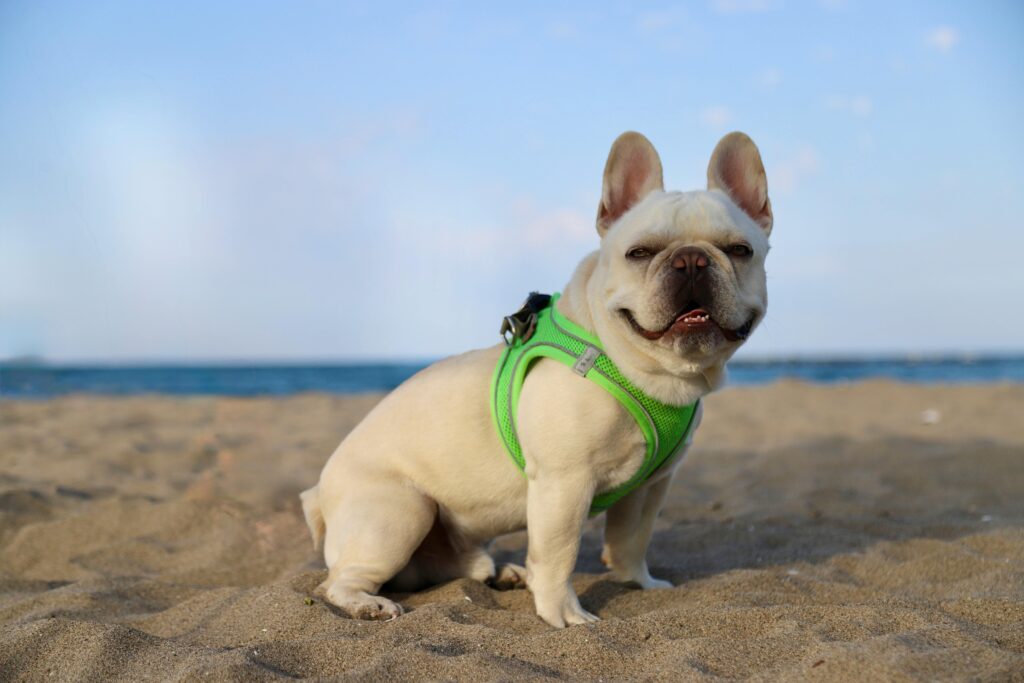
French Bulldogs and other brachycephalic breeds face unique hip dysplasia challenges due to their compact body structure, breeding selection for specific physical traits, and the biomechanical stress placed on their skeletal systems. Labrador Retrievers consistently rank among breeds with highest hip dysplasia incidence, with studies suggesting both genetic factors and this breed’s tendency toward obesity contribute to their elevated risk. Understanding your dog’s breed-specific hip dysplasia risk allows for targeted preventive approaches including appropriate nutrition, weight management, and exercise modification during critical growth periods.
Nutritional Factors in Dog Hip Dysplasia Prevention
Nutrition during puppyhood plays a crucial role in hip dysplasia development, particularly for large and giant breed puppies where excessive caloric intake promoting rapid growth can worsen joint development abnormalities. Research in veterinary orthopedics demonstrates that puppies fed to maintain lean body condition and moderate growth rates show reduced hip dysplasia severity compared to puppies allowed to become overweight or grow too rapidly. Appropriate calcium and phosphorus ratios support healthy bone development—our kibble provides calcium at not less than 1.10% and phosphorus at not less than 0.90%, maintaining a balanced ratio important for skeletal health.
While glucosamine and chondroitin supplements are commonly recommended for dogs with joint issues, these compounds are also naturally present in animal tissues, particularly in connective tissues and cartilage found in quality meat meals. Dogs consuming diets with whole animal proteins receive natural sources of these joint-supporting compounds, though supplementation may provide additional benefits for dogs with established hip dysplasia or those at high risk. The bioavailability and effectiveness of naturally occurring versus supplemental glucosamine and chondroitin continues to be studied in veterinary nutrition research.
Anti-Inflammatory Nutrition for Dog Hip Dysplasia Management
Chronic inflammation accelerates cartilage breakdown and worsens pain in dogs with hip dysplasia, making anti-inflammatory dietary strategies an important component of joint health support. Omega-3 fatty acids from marine sources provide well-documented anti-inflammatory benefits that may help slow degenerative joint changes and improve comfort in dogs managing hip dysplasia. Our kibble contains omega-3 fatty acids at not less than 0.6%, sourced from ingredients like fish meal and flaxseed to provide natural anti-inflammatory support.
Turmeric, containing the active compound curcumin, has gained recognition for its potent anti-inflammatory properties that may benefit dogs with hip dysplasia and other inflammatory joint conditions. Our chicken kibble includes organic turmeric among its ingredients, providing natural anti-inflammatory support alongside other beneficial compounds. The combination of omega-3 fatty acids, turmeric, and other anti-inflammatory ingredients creates a nutritional environment that may help manage inflammation associated with hip dysplasia development and progression.
Weight Management’s Critical Role in Dog Hip Dysplasia
Perhaps no single factor influences hip dysplasia outcomes more dramatically than maintaining appropriate body weight throughout a dog’s life. Excess weight places additional mechanical stress on already compromised hip joints, accelerating cartilage degradation and increasing pain and mobility limitations in dogs with hip dysplasia. Studies tracking dogs throughout their lifetimes demonstrate that those maintained at lean body condition show significantly delayed onset and reduced severity of hip dysplasia symptoms compared to overweight counterparts with identical genetic backgrounds.
For puppies at risk for hip dysplasia, avoiding overfeeding and maintaining lean body condition during growth periods may reduce the severity of joint abnormalities even when genetic predisposition exists. This doesn’t mean restricting calories to the point of malnutrition—rather, feeding appropriate amounts of high-quality, nutrient-dense food that supports healthy growth without promoting excessive weight gain or rapid growth spurts that can worsen joint development issues.
Gourmet Pet Chef’s Joint-Supportive Nutrition Approach
At Gourmet Pet Chef, we formulate our foods to support optimal joint health through multiple nutritional pathways. Our chicken kibble features high-quality meat proteins including deboned chicken, chicken meal, and menhaden fish meal—whole animal protein sources that naturally contain glucosamine, chondroitin, and collagen to support joint health. With crude protein at not less than 28%, our formula provides substantial protein to support muscle mass, which is crucial for dogs with hip dysplasia as strong muscles help stabilize compromised joints.
Our carefully balanced mineral content supports healthy bone development with calcium at not less than 1.10% and phosphorus at not less than 0.90%—appropriate ratios particularly important during growth periods for breeds susceptible to hip dysplasia. The inclusion of anti-inflammatory ingredients including organic turmeric, omega-3 fatty acids (not less than 0.6%), and various antioxidant-rich fruits and vegetables provides comprehensive nutritional support for joint health throughout your dog’s life. Our Chef Prepared fresh food offers similar high-quality nutrition in a fresh format, featuring real chicken and fish oil for omega-3 support.
Customized Nutrition for Dogs with Hip Dysplasia Risk
Dogs with confirmed hip dysplasia or those at high risk due to breed or family history may benefit from customized nutritional approaches that address their specific needs. Growing puppies from high-risk breeds require carefully controlled nutrition that supports healthy development without promoting excessive growth rates, while adult dogs managing hip dysplasia may need precise calorie control to maintain optimal weight alongside enhanced joint-supporting ingredients. Our customizable food options allow for modifications based on individual requirements, life stage, and health status.
If your dog has been diagnosed with hip dysplasia or you’re concerned about prevention in a high-risk breed, contact Gourmet Pet Chef to discuss custom formulations tailored to your dog’s specific needs. Our nutrition experts can help develop feeding plans appropriate for your dog’s age, size, activity level, and health status to support optimal joint health throughout their life. For dogs requiring veterinary-prescribed therapeutic diets for hip dysplasia management, our prescription food services can accommodate these requirements. Dogs with sensitivities requiring alternative proteins can explore our alternative protein options while maintaining joint-supportive nutrition.
Comprehensive Hip Dysplasia Prevention Strategies
Successfully preventing or minimizing dog hip dysplasia requires a multifaceted approach combining genetics, nutrition, weight management, and appropriate exercise. Responsible breeding practices that screen breeding dogs for hip dysplasia and select against affected individuals remain the most important long-term prevention strategy. For puppy owners, working with veterinarians to monitor growth rates, maintain lean body condition, and provide appropriate exercise without overexertion during critical development periods helps minimize hip dysplasia severity in susceptible individuals.
Early detection through veterinary screening allows for intervention before severe symptoms develop, potentially slowing progression through weight management, controlled exercise, physical therapy, and nutritional support. While dog hip dysplasia cannot always be prevented in genetically predisposed dogs, appropriate nutrition and lifestyle management significantly influence outcomes and quality of life. If you’re navigating hip dysplasia concerns with your dog, contact Gourmet Pet Chef to explore how targeted nutrition can support your dog’s joint health as part of a comprehensive management plan developed with your veterinarian. Through proactive care combining quality nutrition like Gourmet Pet Chef provides, appropriate weight management, and veterinary guidance, many dogs with hip dysplasia maintain active, comfortable lives for years.
How Can I Help Prevent Hip Dysplasia in My Dog? Read More »