Bloat in Dogs and Why Diet Is Often Discussed
Bloat in dogs is a serious and potentially life-threatening condition that most often affects large and deep-chested breeds. When pet parents research bloat in dogs, they frequently encounter discussions about feeding habits, food structure, and ingredient digestibility as part of everyday care considerations. While bloat itself is a medical emergency that requires immediate veterinary attention, diet is commonly viewed as a supportive factor in routine digestive health and feeding behavior.
From a nutritional perspective, food choices can influence how quickly a dog eats, how easily food moves through the digestive tract, and how much gas is produced during normal digestion. Diet is not a treatment, cure, or prevention for bloat in dogs, but thoughtfully formulated food may help support calmer mealtimes and normal stomach function as part of a broader, responsible care plan for large dogs.
Diet Considerations Commonly Discussed for Bloat in Dogs
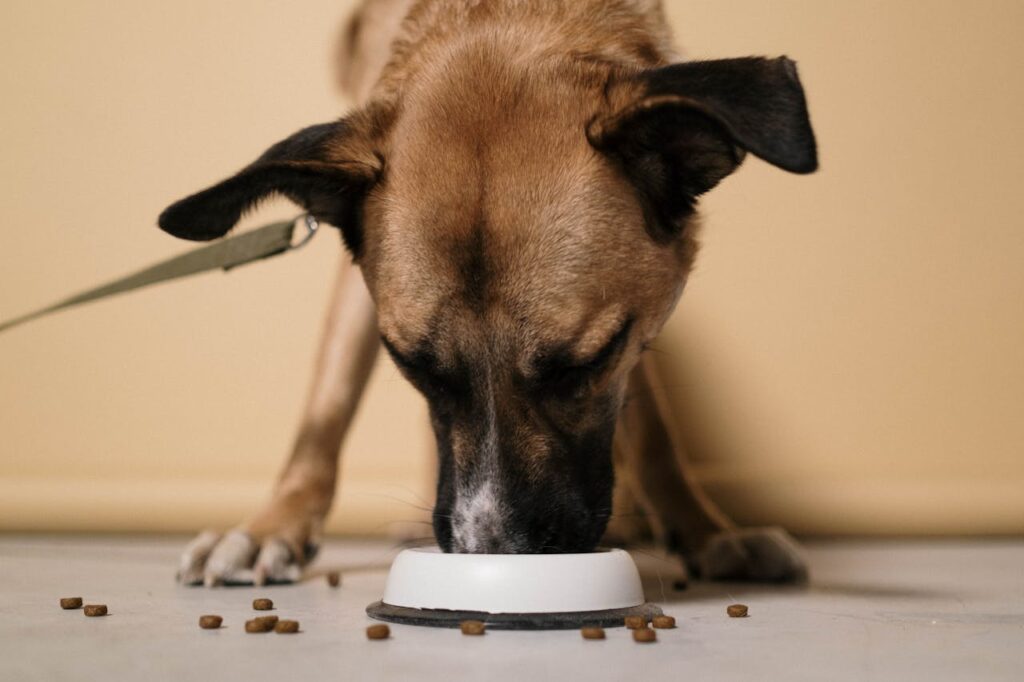
When pet parents discuss diet in relation to bloat in dogs, the physical structure of the food is often one of the first considerations. Small kibble size is commonly chosen to encourage slower eating and more deliberate chewing. Slower eating may help reduce excessive gulping, which some pet parents associate with increased air intake during meals.
Digestibility is another frequent topic in conversations about bloat in dogs. Diets formulated with easily digestible, high-quality protein sources are often selected to support normal digestion and reduce excessive fermentation in the gastrointestinal tract. Fermentation is a natural digestive process, but excess gas production is something many pet parents aim to minimize through ingredient selection and feeding routines.
Additionally, bloat-conscious feeding approaches often avoid excessive fat levels or heavily fermentable carbohydrates that may slow digestion in some dogs. These dietary choices are intended to support normal digestive flow and comfort—not to prevent, diagnose, or treat bloat in dogs or GDV.
How Our Small Kibble Fits Into a Bloat-Conscious Feeding Approach
Our Chicken Kibble is made with small kibble size, which may help promote a more controlled eating experience for dogs that tend to eat quickly. Encouraging slower chewing can support calmer feeding behavior, which is commonly discussed when addressing everyday digestive comfort in large dogs.
Nutritionally, our kibble provides a guaranteed analysis of not less than 28% crude protein and not less than 15% crude fat, along with defined levels of vitamin E and omega fatty acids. The ingredient list includes clearly identified components such as chicken, fish meal, flaxseed, and whole-food antioxidant sources. These ingredients are selected to support balanced nutrition and everyday digestion.
Our formula avoids artificial preservatives, colors, and dyes, and emphasizes ingredient transparency so pet parents know exactly what they are feeding. While no food can prevent bloat in dogs, choosing a thoughtfully formulated, digestible diet is one way pet parents may support normal stomach function and feeding comfort.
Additional Feeding Options for Dogs Prone to Bloat
Because bloat in dogs does not affect every dog the same way, some large dogs may benefit from alternative dietary approaches based on individual tolerance and veterinary guidance. We offer alternative protein options for dogs that do not tolerate chicken well or require different protein sources.
For dogs with more specific dietary needs, we also provide customizable food and prescription food options developed in collaboration with your veterinarian. These options are designed to support individualized nutrition while maintaining balanced dietary standards.
Pet parents who are unsure which option may be appropriate for a dog prone to digestive concerns are encouraged to contact Gourmet Pet Chef to discuss size, eating habits, and nutritional considerations.
A Responsible, Diet-Focused Perspective on Bloat in Dogs
Bloat in dogs is a complex condition that requires prompt veterinary care whenever symptoms arise. While diet alone cannot prevent GDV, feeding practices and food formulation are often discussed as part of everyday care for large-breed dogs.
Focusing on small kibble size, ingredient digestibility, and consistent formulations can help support normal digestion and feeding behavior. Our approach to bloat awareness emphasizes supporting everyday digestive comfort, without making claims that go beyond what diet alone can provide.