Dog coat health serves as one of the most visible indicators of overall nutritional status and well-being, with a shiny, lustrous coat reflecting proper nutrition while a dull, brittle, or excessively shedding coat often signals dietary deficiencies or underlying health issues. When dogs develop poor coat quality, the problem typically stems from inadequate intake of essential nutrients—particularly protein, fatty acids, and specific vitamins—that support hair follicle strength, skin health, and the complex biological processes involved in maintaining healthy fur. Understanding the nutritional foundations of dog coat health empowers pet owners to make informed dietary choices that can transform their dog’s appearance and comfort while supporting overall wellness.
Dog coat problems manifest in various ways beyond simple dullness or excessive shedding. Some dogs develop dry, brittle hair that breaks easily, while others experience thinning coat density, patchy hair loss, or coat texture changes that leave fur feeling rough or wiry rather than soft and smooth. Excessive shedding—beyond the normal seasonal coat changes that many breeds experience—can indicate nutritional deficiencies, particularly inadequate essential fatty acids or protein. These coat issues not only affect appearance but may also compromise the skin’s protective barrier function and leave dogs more vulnerable to environmental irritants and skin problems.
Understanding Dog Coat Health and Growth Cycles
Dog coat health depends on the hair growth cycle, which consists of growth (anagen), transition (catagen), resting (telogen), and shedding (exogen) phases. Nutritional deficiencies can disrupt these cycles, leading to premature hair loss, prolonged resting phases with reduced hair regrowth, or production of weak, brittle hair shafts that break easily. According to veterinary dermatology research, hair follicles are among the most metabolically active tissues in the body, requiring consistent supplies of protein, essential fatty acids, vitamins, and minerals to function optimally.
Different breeds exhibit vastly different coat types and shedding patterns, from continuously growing coats like Poodles and Bichon Frises to heavy seasonal shedders like German Shepherds and Huskies. While genetics determine basic coat characteristics, nutrition profoundly influences coat quality, sheen, and the extent of shedding within a dog’s genetic potential. Research from the Veterinary Information Network indicates that nutritional factors account for a significant proportion of coat quality issues seen in clinical practice, often improving dramatically when dietary deficiencies are corrected.
The Critical Role of Omega Fatty Acids in Dog Coat Health
Omega-3 and omega-6 fatty acids represent perhaps the most important nutritional factors for achieving optimal dog coat health and minimizing excessive shedding. These essential fatty acids cannot be synthesized by dogs’ bodies and must be obtained through diet, making their dietary inclusion absolutely critical. Omega-6 fatty acids, primarily linoleic acid from sources like chicken fat and flaxseed, support skin barrier function and hair follicle health, while omega-3 fatty acids from fish oil and flaxseed provide anti-inflammatory benefits that reduce skin irritation and support overall coat quality.
The balance between omega-6 and omega-3 fatty acids matters as much as their absolute levels—appropriate ratios support healthy inflammatory responses and skin barrier function, while imbalanced ratios may contribute to inflammation that compromises dog coat health. Studies in veterinary nutrition demonstrate that dogs receiving adequate essential fatty acids show measurably shinier coats, reduced shedding, and improved skin health within 6-8 weeks of dietary intervention. Fish oil provides EPA and DHA omega-3 fatty acids in their most bioavailable forms, while flaxseed contributes alpha-linolenic acid (ALA) that dogs can partially convert to EPA and DHA along with providing omega-6 fatty acids.
Protein Quality and Dog Coat Health
High-quality protein serves as the fundamental building block for dog coat health, as hair itself consists primarily of protein structures, particularly the structural protein keratin. Dogs require adequate dietary protein not only for maintaining muscle mass and supporting metabolic functions but also for producing the constant supply of new hair shafts necessary for healthy coat regeneration. When dietary protein is insufficient or of poor quality, the body prioritizes protein for vital organ function over coat production, resulting in dull, thin, or slow-growing hair.
The biological value and digestibility of protein sources significantly impact their effectiveness for supporting dog coat health. Whole meat proteins from chicken, beef, and fish provide complete amino acid profiles with high digestibility, ensuring dogs can efficiently utilize the protein for tissue building and repair. Poor quality protein sources or those with incomplete amino acid profiles may provide adequate crude protein on paper but fail to deliver the specific amino acids hair follicles require for optimal function, leaving dogs with compromised coat quality despite seemingly adequate protein intake.
Essential Vitamins for Dog Coat Health
Specific vitamins play crucial roles in maintaining dog coat health, with vitamin E and biotin (vitamin B7) being particularly important for coat quality and appearance. Vitamin E functions as a powerful antioxidant protecting skin cell membranes from oxidative damage while supporting immune function and skin health. Dogs with inadequate vitamin E intake may develop dry, flaky skin and dull, brittle coats as cellular damage accumulates in skin tissues and hair follicles.
Biotin supports numerous metabolic processes involved in fatty acid synthesis, amino acid metabolism, and glucose utilization—all essential for healthy skin and hair production. While biotin deficiency is relatively rare in dogs consuming balanced diets, supplemental biotin may provide benefits for dogs with compromised coat quality, though research on therapeutic biotin supplementation specifically for dog coat health remains limited. Other B vitamins including riboflavin, niacin, and pantothenic acid also contribute to skin and coat health through their roles in cellular metabolism and energy production.
Gourmet Pet Chef’s Nutritionally Complete Approach to Dog Coat Health
At Gourmet Pet Chef, our formulations are specifically designed to provide the complete nutritional support necessary for optimal dog coat health and minimized excessive shedding. Our chicken kibble contains not less than 28% crude protein from high-quality sources including deboned chicken, chicken meal, and menhaden fish meal, ensuring dogs receive ample protein to support strong, healthy hair growth and maintain lustrous coats.
Our formula provides omega-3 fatty acids (not less than 0.6%) from fish meal and flaxseed, along with omega-6 fatty acids (not less than 2.6%) from chicken fat and other sources, creating an appropriate fatty acid profile for supporting dog coat health. The inclusion of vitamin E (not less than 150 IU per kilogram) provides antioxidant protection for skin tissues, while biotin is incorporated as part of our comprehensive vitamin and mineral blend. Additionally, our formula includes coconut oil, which contributes medium-chain fatty acids that support skin health and coat quality from both dietary intake and absorption through the skin during grooming.
Our Chef Prepared fresh food offers similar nutritional support in a fresh format, featuring real chicken as the primary ingredient along with fish oil providing concentrated omega-3 fatty acids that directly support dog coat health. The whole food ingredients in our Chef Prepared line ensure dogs receive not just isolated nutrients but the complex matrix of compounds found in natural foods that work synergistically to support overall health including vibrant, healthy coats.
Customized Solutions for Challenging Dog Coat Health Issues
While our standard formulations provide comprehensive nutrition for dog coat health, some dogs with particularly severe coat problems or specific sensitivities may benefit from customized nutritional approaches. Dogs with protein sensitivities that limit protein source options can explore our alternative protein options to identify the most appropriate protein for their individual needs while still maintaining the high protein levels necessary for optimal coat health.
For dogs requiring targeted nutritional interventions to address persistent coat quality issues, our customizable food options allow for modifications that can enhance specific nutrients supporting dog coat health based on individual requirements. If your dog continues experiencing coat problems despite high-quality nutrition, contact Gourmet Pet Chef to discuss custom formulations that might better address your dog’s specific health needs. When veterinarians prescribe specific dietary interventions for medical conditions affecting coat quality, our prescription food services can accommodate these requirements while maintaining ingredient quality and nutritional integrity.
Beyond Nutrition: Complete Dog Coat Health Management
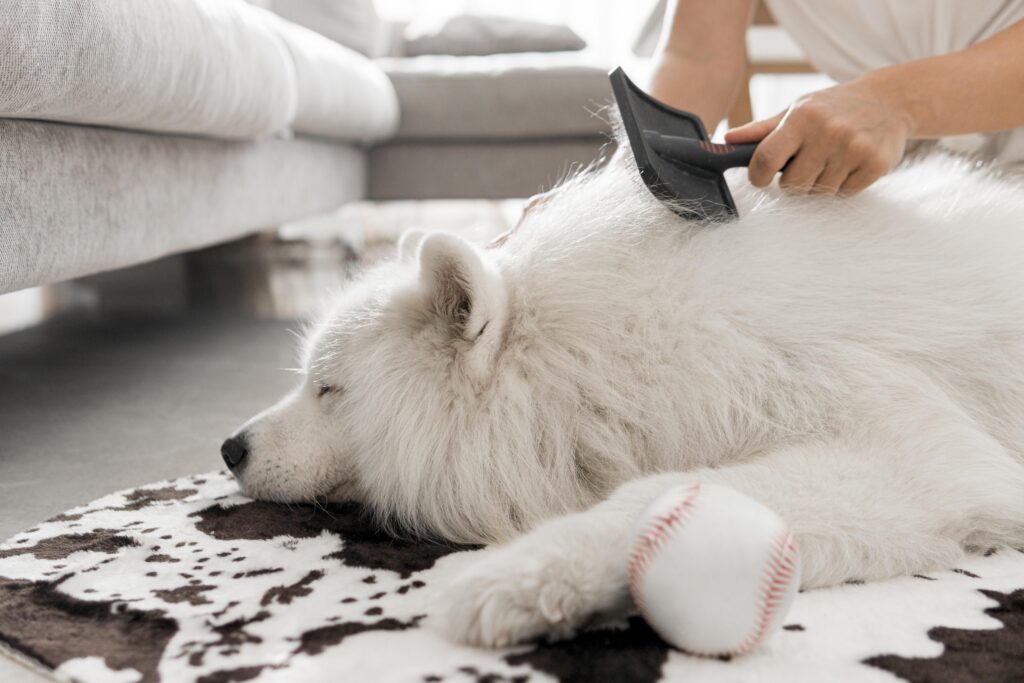
While proper nutrition provides the foundation for dog coat health, achieving optimal results requires attention to other factors influencing coat quality and shedding. Regular grooming removes dead hair, distributes natural skin oils throughout the coat, and stimulates blood flow to hair follicles, all of which support coat health and reduce excessive shedding around the home. Different coat types require different grooming approaches—some breeds need daily brushing while others require professional grooming every 6-8 weeks to maintain coat health.
Underlying health conditions including hypothyroidism, Cushing’s disease, and various hormonal imbalances can dramatically affect dog coat health regardless of nutritional status, making veterinary evaluation important when coat problems persist despite dietary optimization. Parasites, allergies, and skin infections also compromise coat quality and may require medical treatment alongside nutritional support. If your dog’s coat doesn’t improve after 8-12 weeks on high-quality nutrition addressing the key factors for dog coat health, consult your veterinarian to rule out medical causes and contact Gourmet Pet Chef to explore additional nutritional strategies tailored to your dog’s specific situation. With the right combination of complete nutrition, appropriate grooming, and veterinary care when needed, most dogs can achieve the shiny, healthy, beautiful coat that reflects their overall wellness and vitality.