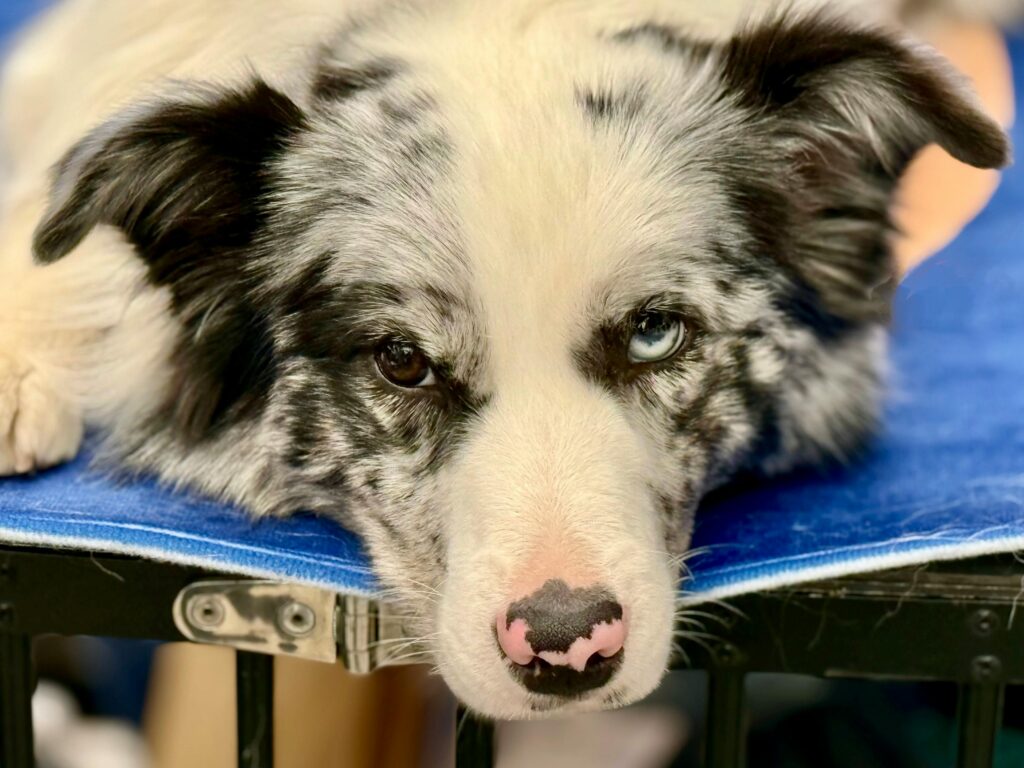
Some dogs—especially those with pink noses, light-colored coats, or naturally fair skin—are more prone to sun sensitivity. Prolonged sun exposure may lead to redness, irritation, or discomfort, particularly on areas with sparse fur such as the nose, ears, belly, and inner thighs. While sun sensitivity is often managed with environmental precautions, nutrition can play a supportive role in maintaining normal skin function.
Diet alone cannot prevent sunburn or replace shade, sunscreen, or veterinary guidance. However, well-balanced foods that include specific nutrients may help support skin resilience and overall wellness in dogs that are sensitive to sunlight. If your dog shows ongoing skin irritation or discomfort, a veterinarian should always be consulted. We also encourage pet parents to contact Gourmet Pet Chef if they are interested in discussing dietary options tailored to their dog’s unique needs.
How Nutrition Can Support Dogs With Sun Sensitivity
Sun sensitivity in dogs is often associated with delicate skin that benefits from consistent, balanced nutrition. Ingredients such as omega-3 fatty acids and vitamin E are commonly included in dog foods to help maintain normal skin and coat health. These nutrients support the skin’s natural barrier function but are not intended to act as sun protection or medical treatment.
Certain antioxidants—such as lycopene (naturally occurring in tomatoes) and astaxanthin—are sometimes included in canine diets to support general cellular health. Hydrating, gently prepared foods may also contribute to overall comfort during warmer months by supporting normal hydration when used as part of a complete and balanced feeding routine.
Sun Sensitivity and Ingredient Transparency
When managing sun sensitivity, ingredient transparency allows pet parents to understand exactly what their dog is eating. Our Chicken Kibble is formulated with clearly defined ingredients and a guaranteed analysis that includes:
Crude Protein: Not Less Than 28%
Crude Fat: Not Less Than 15%
Vitamin E: Not Less Than 150 IU
Omega-3 Fatty Acids: Not Less Than 0.6%
Omega-6 Fatty Acids: Not Less Than 2.6%
Our kibble contains whole-food ingredients such as chicken, fish meal, flaxseed, blueberries, turmeric, and green tea extract. These ingredients are selected to meet nutritional requirements and support overall wellness without artificial preservatives, colors, or dyes.
For pet parents who prefer gently prepared meals, our Chef-Prepared Chicken & Rice With Veggies offers a simple ingredient list that includes chicken, basmati rice, green peas, carrots, fish oil, yogurt, nutritional yeast, kelp, and vinegar. This option can be served alone or mixed with kibble as part of a balanced feeding plan.
Custom Options for Dogs With Sun Sensitivity
Because every dog’s skin and lifestyle are different, some dogs may benefit from alternative proteins or customized formulations. We offer alternative protein options for dogs that do not tolerate chicken, as well as customizable food and prescription food developed in coordination with your veterinarian.
Pet parents who are unsure which option is most appropriate are encouraged to speak with their veterinarian and reach out to Gourmet Pet Chef for additional guidance.
Supporting Sun-Sensitive Dogs Year-Round
Managing sun sensitivity in dogs often involves a combination of shade, limited sun exposure, topical protection when recommended by a veterinarian, and consistent nutrition. While diet is not a substitute for sun safety measures, choosing thoughtfully formulated foods with transparent ingredients can help support your dog’s overall skin health and comfort throughout the year.
Dog seasonal allergies affect millions of pets each year, causing intense itching, excessive scratching, red and watery eyes, sneezing, and skin inflammation that can make dogs miserable throughout spring, summer, and fall. When dogs develop seasonal allergies, their immune systems overreact to environmental allergens like pollen, grass, mold spores, and dust mites, triggering inflammatory responses that manifest primarily through skin irritation rather than respiratory symptoms common in humans. While environmental allergens serve as the primary triggers for dog seasonal allergies, diet plays a surprisingly significant role in either exacerbating or alleviating allergy symptoms by influencing overall inflammation levels and immune system function.
Understanding dog seasonal allergies requires recognizing that these environmental sensitivities often don’t occur in isolation—many dogs with seasonal allergies also have concurrent food sensitivities or dietary factors that amplify their allergic responses. The concept of “allergy threshold” or “allergy bucket” helps explain this phenomenon: each dog has a tolerance level for allergen exposure, and when combined exposures from environmental sources, dietary triggers, and other irritants exceed this threshold, symptoms appear or worsen significantly. By reducing dietary inflammation and eliminating potential food triggers, pet owners can lower their dog’s overall allergen burden, often resulting in milder seasonal allergy symptoms even when environmental allergen levels remain high.
The Connection Between Dog Seasonal Allergies and Diet
Dog seasonal allergies manifest when immune systems react to airborne allergens, but the severity of these reactions can be significantly influenced by dietary factors that either promote or reduce systemic inflammation. When dogs consume inflammatory ingredients or foods they’re sensitive to, their immune systems remain in a heightened reactive state, making them more likely to overreact to environmental allergens. This chronic low-grade inflammation from diet essentially primes the immune system to respond more aggressively to pollen, grass, and other seasonal triggers.
According to veterinary dermatology research referenced by the American Kennel Club, allergies represent one of the most common health issues affecting dogs, with environmental allergies (atopic dermatitis) often occurring alongside food sensitivities. Many dogs with seasonal allergies show dramatic improvement in symptom severity when dietary inflammatory triggers are eliminated, even though environmental allergen exposure remains unchanged. This demonstrates that while diet doesn’t cause seasonal allergies, it powerfully influences how severely dogs react to environmental allergens.
Inflammatory Foods That Worsen Dog Seasonal Allergies
Certain dietary ingredients commonly found in commercial dog foods may promote inflammation and amplify dog seasonal allergies symptoms in susceptible pets. Grains like wheat, corn, and rice—particularly refined grain products—can contribute to inflammatory responses in some dogs, though individual sensitivities vary considerably. Dairy products represent another common trigger that may worsen allergy symptoms, as many dogs have difficulty digesting lactose and dairy proteins can provoke immune responses in sensitive individuals.
Low-quality fillers, by-products, and artificial additives provide minimal nutritional value while potentially triggering inflammatory responses that compound seasonal allergy symptoms. These ingredients often serve as inexpensive calorie sources and texture modifiers in budget dog foods, but they offer little benefit for dogs managing allergies. Dogs with seasonal allergies typically benefit from eliminating these potentially inflammatory ingredients and focusing instead on whole food nutrition that supports rather than challenges immune function.
Anti-Inflammatory Nutrients for Dog Seasonal Allergies
Omega-3 fatty acids, particularly EPA and DHA from marine sources, represent one of the most well-researched nutritional interventions for managing inflammatory conditions including dog seasonal allergies. These essential fatty acids work by reducing production of inflammatory compounds called prostaglandins and leukotrienes while promoting production of specialized pro-resolving mediators that actively resolve inflammation. Studies in veterinary dermatology demonstrate that dogs with atopic dermatitis receiving omega-3 supplementation often experience reduced itching and improved skin health, with effects becoming apparent after 6-8 weeks of consistent use.
Turmeric, containing the active compound curcumin, offers potent anti-inflammatory properties that may help reduce the inflammatory cascade associated with dog seasonal allergies. Curcumin modulates immune responses and inhibits inflammatory pathways, potentially helping to calm overactive immune reactions to environmental allergens. While research on turmeric specifically for canine seasonal allergies remains limited, its general anti-inflammatory effects make it a logical supportive ingredient for dogs managing allergic conditions. The bioavailability of curcumin is enhanced when combined with black pepper (piperine) and fats, which is why quality formulations often include these complementary ingredients.
Antioxidants and Immune Support for Dog Seasonal Allergies
Antioxidant-rich foods play a crucial role in supporting dogs with seasonal allergies by neutralizing free radicals generated during inflammatory responses and supporting overall immune system balance. Blueberries contain exceptionally high levels of antioxidants including anthocyanins, vitamin C, and various polyphenols that help protect cells from oxidative stress and may modulate immune responses. These tiny berries pack tremendous nutritional power in supporting dogs managing chronic inflammatory conditions like seasonal allergies.
Spinach and other dark leafy greens provide vitamin E, beta-carotene, lutein, and various other antioxidant compounds that support immune function and help reduce inflammation associated with allergic responses. Green vegetables also supply folate and other B vitamins important for proper immune system function. While no single food can eliminate dog seasonal allergies, a diet rich in diverse antioxidant sources provides comprehensive support for dogs dealing with environmental allergen challenges throughout allergy seasons.
Gourmet Pet Chef’s Allergy-Season Support Nutrition
At Gourmet Pet Chef, we formulate our foods specifically to exclude inflammatory ingredients while incorporating nutrients that support dogs managing seasonal allergies. Our chicken kibble contains no corn, no soy, no wheat, and no dairy—eliminating the most common dietary inflammatory triggers that may worsen seasonal allergy symptoms. Instead, we focus on nutrient-dense whole food ingredients that support rather than challenge immune function during allergy season.
Our formulation includes omega-3 fatty acids (not less than 0.6% guaranteed) from fish meal and flaxseed, providing anti-inflammatory support throughout allergy season. We also incorporate organic turmeric combined with organic black pepper to enhance curcumin bioavailability and maximize anti-inflammatory benefits. Additionally, our recipe features organic blueberries, organic spinach, organic kale, and organic parsley—all antioxidant-rich ingredients that support immune system balance and help combat the oxidative stress associated with chronic allergic inflammation.
With 28% protein content from quality meat sources and 15% healthy fats, our chicken kibble provides robust nutrition that supports overall health while avoiding empty calories from grain fillers that may contribute to inflammation. For dogs preferring fresh food formats, our Chef Prepared fresh food offers simple, whole food ingredients without artificial additives or common allergens, though dogs with rice sensitivities may benefit from our customizable options.
Customized Nutrition for Dogs with Complex Allergy Issues
Dogs experiencing severe seasonal allergies or those with multiple concurrent sensitivities may require specialized nutritional approaches beyond standard formulations. Some dogs react to chicken protein, others may be sensitive to specific vegetables or grains, and individual requirements vary considerably based on the dog’s unique allergen profile. Our customizable food options allow for precise modifications addressing your dog’s specific sensitivities while maintaining optimal nutrition for managing seasonal allergies.
If your dog struggles with severe seasonal allergies despite environmental management and standard dietary changes, contact Gourmet Pet Chef to discuss custom formulations specifically tailored to your dog’s needs. Our nutrition experts can help identify potential dietary triggers and develop meal plans that maximize anti-inflammatory support while eliminating individual sensitivities. For dogs whose veterinarians have recommended specific therapeutic approaches, our prescription food services can incorporate these requirements. Dogs sensitive to chicken can explore our alternative protein options including beef and fish formulations that provide the same allergy-fighting benefits with different protein sources.
Comprehensive Management of Dog Seasonal Allergies
Successfully managing dog seasonal allergies requires a multi-faceted approach combining environmental controls, veterinary care when needed, and nutritional support that reduces overall inflammatory burden. Environmental strategies include wiping paws after outdoor activities to remove pollen, bathing regularly during high-pollen seasons, using air filtration systems indoors, and avoiding peak pollen times for outdoor activities. These measures directly reduce allergen exposure while dietary modifications address the internal inflammatory responses that amplify symptoms.
Monitoring your dog’s response to dietary changes helps identify which modifications provide the most benefit for their individual situation. Most dogs require 4-8 weeks of consistent dietary intervention before showing maximum improvement in seasonal allergy symptoms, as reducing chronic inflammation and rebalancing immune responses takes time. If you’re unsure which dietary approach best suits your dog’s specific seasonal allergy challenges, contact Gourmet Pet Chef for personalized guidance on selecting or customizing the optimal nutrition plan. Through combining thoughtful nutrition with appropriate environmental management and veterinary support when needed, most dogs with seasonal allergies can enjoy significantly improved comfort and quality of life throughout allergy seasons.
Dog ear infections represent one of the most common reasons for veterinary visits, affecting an estimated 20% of dogs and causing significant discomfort through pain, itching, head shaking, and persistent inflammation. When dogs develop chronic ear infections—defined as recurring infections that persist despite treatment or return shortly after treatment ends—the underlying cause often extends beyond simple bacterial or yeast overgrowth to include food allergies, environmental sensitivities, or anatomical factors that create favorable conditions for infection. Understanding the connection between diet and chronic ear infections in dogs empowers pet owners to address root causes rather than simply treating symptoms repeatedly with medications that provide only temporary relief.
Dog ear infections don’t occur randomly in most cases—they develop when the ear’s normal protective mechanisms become compromised by inflammation, moisture, or other factors that allow bacteria or yeast to proliferate beyond healthy levels. Food allergies represent one of the most frequently overlooked causes of chronic ear infections, with allergic inflammation affecting the ear canal lining and creating warm, moist conditions ideal for microbial overgrowth. Dogs suffering from food allergy-related ear infections often experience a frustrating cycle where antibiotics or antifungals temporarily resolve the infection, only to have it return weeks later because the underlying allergic trigger remains unaddressed in their diet.
Understanding Dog Ear Infections and Their Underlying Causes
Dog ear infections, medically termed otitis externa when affecting the outer ear canal, manifest through various symptoms including head shaking, ear scratching, foul odor from the ears, discharge (which may be brown, yellow, or bloody), redness and swelling of the ear canal, pain when ears are touched, and in severe cases, hearing loss or balance problems. While bacteria and yeast naturally inhabit the canine ear canal in small numbers, infections develop when these microorganisms multiply excessively due to underlying factors that disrupt the ear’s healthy environment.
According to research from the American Kennel Club, food allergies account for a significant portion of chronic ear infection cases, particularly in dogs experiencing bilateral (both ears) infections without an obvious environmental cause. The allergic response triggers inflammation throughout the body, including in the ear canal lining, which becomes swollen and produces excess wax and moisture—creating perfect conditions for bacterial and yeast overgrowth. Dogs with food allergies often show additional symptoms beyond ear infections, including skin itching, paw licking, face rubbing, and gastrointestinal issues, though some dogs primarily manifest their allergies through ear problems alone.
Common Food Allergens Causing Dog Ear Infections
The most frequent food allergens triggering chronic ear infections in dogs include chicken, beef, dairy products, wheat, soy, and eggs—with chicken being surprisingly common despite its prevalence in commercial dog foods. Many dogs develop sensitivities to proteins they’ve been exposed to repeatedly throughout their lives, making even “premium” chicken-based diets potential triggers for dogs with food allergies. This phenomenon explains why some dogs experience persistent ear infections despite eating high-quality foods—the issue isn’t food quality but rather individual immune system responses to specific proteins.
Identifying which specific allergen triggers your dog’s ear infections requires systematic elimination and careful observation. The gold standard approach involves feeding a limited-ingredient diet containing a novel protein source (one your dog has never eaten) and a single carbohydrate source for 8-12 weeks while monitoring ear health and other symptoms. If ear infections resolve during this elimination period, you’ve confirmed food allergies as the underlying cause. Subsequently reintroducing suspected allergens one at a time helps identify specific triggers to avoid long-term, allowing you to select appropriate diets that maintain ear health.
Omega-3 Fatty Acids: Reducing Inflammation in Dog Ear Infections
Omega-3 fatty acids, particularly EPA and DHA from marine sources, provide powerful anti-inflammatory effects that can significantly benefit dogs with chronic ear infections related to allergic inflammation. These essential fatty acids work at the cellular level to reduce inflammatory mediator production, helping calm the excessive immune responses that cause ear canal swelling and create conditions favorable for infection. Research in veterinary dermatology demonstrates that dogs receiving adequate omega-3 supplementation often experience reduced inflammation severity and frequency of allergy-related symptoms including ear infections.
The omega-6 to omega-3 ratio in the diet significantly influences inflammatory responses, with typical commercial diets often providing excessive omega-6 relative to omega-3 fatty acids. While omega-6 fatty acids serve important functions, an imbalanced ratio promotes inflammatory pathways that exacerbate allergic conditions and chronic ear infections. Diets specifically formulated with appropriate omega-3 levels and balanced omega-6 to omega-3 ratios support healthier inflammatory responses and may reduce ear infection frequency in susceptible dogs.
The Gut-Ear Connection: Probiotics and Dog Ear Infections
Emerging research in veterinary immunology reveals fascinating connections between gut health and systemic immune function, including susceptibility to dog ear infections. The gut microbiome—the diverse community of microorganisms inhabiting the digestive tract—plays crucial roles in immune system regulation, with approximately 70% of immune system cells residing in gut-associated lymphoid tissue. When gut microbiome balance becomes disrupted through poor diet, antibiotic use, or stress, immune dysfunction can result, potentially increasing susceptibility to infections including chronic ear problems.
Probiotics—beneficial bacteria that support healthy gut microbiome balance—may help reduce chronic ear infections by supporting overall immune function and reducing systemic inflammation. Dogs with healthier, more diverse gut microbiomes often demonstrate better immune regulation and reduced allergic responses. While probiotics won’t directly treat active ear infections requiring veterinary intervention, maintaining gut health through probiotic-rich diets or supplements may help prevent infection recurrence by supporting the immune system’s ability to maintain healthy ear canal conditions.
Gourmet Pet Chef’s Allergen-Free Approach to Ear Health
At Gourmet Pet Chef, we understand that many dogs with chronic ear infections struggle specifically due to common dietary allergens. Our formulations exclude the most frequent triggers including corn, wheat, soy, and artificial additives that can provoke immune responses in sensitive dogs. Our chicken kibble provides high-quality nutrition for dogs who tolerate chicken well, featuring omega-3 fatty acids (not less than 0.6% guaranteed) from fish meal and flaxseed to support healthy inflammatory responses.
Our kibble also includes multiple probiotic strains—Lactobacillus acidophilus, Lactobacillus casei, Enterococcus faecium, Bacillus subtilis, Bacillus licheniformis, and Bacillus coagulans—delivered through dried fermentation products that support gut health and immune function. For dogs who have identified chicken as an allergen contributing to their chronic ear infections, our alternative protein options including turkey and beef recipes provide the same nutritional quality and allergen-free formulation with different protein sources that may better suit individual sensitivities.
Customized Solutions for Dogs with Chronic Ear Infections
Successfully managing chronic ear infections requires identifying and eliminating your dog’s specific triggers while providing optimal nutritional support for ear health. Our Chef Prepared fresh food offers a limited-ingredient option that simplifies identifying potential allergens, with whole food ingredients including fish oil that provides natural omega-3 support for inflammatory conditions.
For dogs with complex allergies or those requiring targeted nutritional interventions for chronic ear infections, our customizable food options allow for precise modifications based on your dog’s elimination diet results and specific sensitivities. If your dog experiences persistent ear infections despite dietary changes, contact Gourmet Pet Chef to discuss custom formulations specifically tailored to your dog’s health needs and allergen profile. Our nutrition experts can help you develop meal plans that eliminate identified triggers while ensuring complete nutrition and incorporating ingredients that support ear health from the inside out.
When veterinarians recommend specific therapeutic approaches for managing chronic ear infections, our prescription food services can accommodate these requirements while maintaining our commitment to quality, allergen-free ingredients that support long-term ear health.
Comprehensive Management of Chronic Dog Ear Infections
Successfully resolving chronic ear infections requires addressing both immediate infections through appropriate veterinary treatment and underlying causes through dietary modification. Working closely with your veterinarian or veterinary dermatologist ensures accurate diagnosis—not all chronic ear infections stem from food allergies, and some dogs have multiple contributing factors including environmental allergies, hormonal imbalances, or anatomical ear canal issues that require specific interventions.
Environmental management also supports ear health, including keeping ears dry after swimming or bathing, regular gentle ear cleaning as directed by your veterinarian, and managing humidity in living environments. For dogs with pendulous ears or heavy ear leather that restricts air circulation, extra vigilance about ear drying and monitoring becomes important. If your dog continues experiencing chronic ear infections despite eliminating common allergens, contact Gourmet Pet Chef to explore additional strategies including novel protein sources or further customization that addresses your dog’s unique situation. Through comprehensive care combining appropriate veterinary treatment for active infections, elimination of dietary allergens, and nutritional support through omega-3s and probiotics, most dogs with chronic ear infections can break the cycle of recurrent problems and enjoy healthy, comfortable ears long-term.
Dog yeast infections represent one of the most frustrating and recurrent health issues affecting canines, causing intense itching, chronic ear infections, persistent paw licking, and often an unmistakable musty or “corn chip” odor that signals yeast overgrowth. When dogs develop yeast infections, the naturally occurring Malassezia yeast on their skin proliferates beyond normal levels, creating uncomfortable symptoms that significantly impact quality of life and can become increasingly difficult to manage without addressing underlying causes. Understanding the connection between diet and yeast overgrowth in dogs provides pet owners with powerful tools for managing this challenging condition alongside veterinary treatment.
Dog yeast infections don’t typically occur in healthy dogs with balanced immune systems and skin barriers—they develop when conditions favor yeast proliferation over normal skin flora. Factors contributing to dog yeast infections include allergies, hormonal imbalances, immune system dysfunction, humid environments, skin fold anatomy, and importantly, dietary factors that may inadvertently promote yeast growth. Dogs with recurrent yeast infections often cycle through topical treatments that provide temporary relief but fail to address the root causes, leading to chronic issues that require more comprehensive management approaches including dietary modifications.
Understanding Dog Yeast Infections and Their Symptoms
Dog yeast infections most commonly affect the ears, paws, skin folds, and other warm, moist areas where yeast naturally thrives. Malassezia pachydermatis, the primary yeast species affecting dogs, lives normally on canine skin in small numbers but can rapidly multiply when conditions become favorable. According to veterinary dermatology research published by the American College of Veterinary Dermatology, yeast overgrowth often occurs secondary to allergies, creating a cycle where allergic inflammation damages the skin barrier, allowing yeast to proliferate, which then causes additional inflammation and itching.
Common signs of dog yeast infections include intense itching and scratching, head shaking and ear rubbing, brown or black waxy ear discharge with a distinctive musty odor, reddened or inflamed skin particularly between toes and in skin folds, excessive paw licking or chewing, and greasy or scaly skin with a characteristic odor often described as smelling like corn chips, cheese, or moldy bread. Dogs with chronic yeast infections may develop hyperpigmentation (darkened skin), thickened skin texture, and hair loss in affected areas, indicating long-term inflammation and infection.
The Carbohydrate Connection to Dog Yeast Infections
The relationship between dietary carbohydrates and dog yeast infections has generated considerable discussion in veterinary nutrition circles. Yeast organisms metabolize sugars for energy, and some veterinary professionals theorize that high-carbohydrate diets may contribute to yeast overgrowth by providing abundant fuel for yeast proliferation. While dogs don’t develop yeast infections solely from carbohydrate consumption, reducing dietary carbohydrates while addressing other contributing factors may help create less favorable conditions for yeast overgrowth in susceptible dogs.
Many commercial dog foods contain significant carbohydrate content from grains, potatoes, or legumes that serve as affordable calorie sources and kibble binders. For dogs prone to yeast infections, diets with lower carbohydrate content and higher protein-to-carbohydrate ratios may offer benefits, though definitive research specifically linking dietary carbohydrate levels to yeast infection resolution remains limited. The quality of carbohydrate sources also matters—whole food carbohydrates from vegetables provide nutrients and fiber, while simple starches and sugars offer primarily empty calories.
Natural Anti-Fungal Ingredients for Dog Yeast Infections
Certain natural ingredients have demonstrated anti-fungal properties that may help create unfavorable conditions for yeast overgrowth when incorporated into a dog’s diet. Coconut oil contains medium-chain fatty acids, particularly caprylic acid and lauric acid, which exhibit anti-fungal activity against Candida and potentially other yeast species. While most research on coconut oil’s anti-fungal properties has focused on Candida rather than Malassezia, many veterinarians and pet owners report anecdotal improvements when incorporating coconut oil into diets for dogs with chronic yeast issues.
Oregano, specifically oregano essential oil, contains compounds like carvacrol and thymol that demonstrate potent anti-fungal properties in laboratory studies. However, oregano essential oil is highly concentrated and can be irritating or toxic if used improperly—culinary oregano herb provides a safer option for dietary incorporation, though with less concentrated active compounds. Pet owners interested in using oregano or oregano oil for dog yeast infections should consult with their veterinarian about appropriate forms and dosages to ensure safety and effectiveness.
Eliminating Diet-Related Yeast Infection Triggers
For dogs with chronic yeast infections, identifying and eliminating dietary factors that may compromise immune function or promote inflammation becomes an important management strategy. Common allergens like corn, wheat, and soy may trigger allergic responses that damage the skin barrier and create opportunities for yeast overgrowth. Artificial preservatives, colors, and flavors provide no nutritional benefit and may contribute to systemic inflammation in sensitive dogs, potentially exacerbating yeast infection susceptibility.
Low-quality protein sources and rendered fats may contain contaminants or allergens that trigger immune responses, while high-sugar treats and table scraps can contribute to the carbohydrate load that potentially supports yeast proliferation. A clean diet based on whole food ingredients, high-quality proteins, and minimal unnecessary additives provides the foundation for managing dog yeast infections through nutrition, though individual dogs may require specific modifications based on their unique sensitivities and health status.
Gourmet Pet Chef’s Approach to Yeast-Fighting Nutrition
At Gourmet Pet Chef, we formulate our foods to exclude common allergens and unnecessary additives that may contribute to chronic health issues including yeast infections. Our chicken kibble contains no corn, no soy, no wheat, no artificial preservatives, colors, or flavors—eliminating many ingredients that can trigger the allergic responses often underlying chronic yeast infections in dogs. With a protein content of not less than 28% and a focus on quality meat proteins, our formulation provides substantial nutrition from protein and fat rather than relying heavily on carbohydrate fillers.
Our kibble includes coconut oil among its ingredients, providing medium-chain fatty acids that may offer natural anti-fungal support, along with organic herbs and beneficial ingredients that support overall health and immune function. The inclusion of organic turmeric, organic ginger, and other anti-inflammatory ingredients may help address the inflammation that often accompanies and perpetuates yeast infections. Our Chef Prepared fresh food offers an alternative format with simple, whole food ingredients for dogs requiring different texture or ingredient profiles.
Customized Nutrition for Dogs with Chronic Yeast Infections
Every dog’s yeast infection situation is unique, influenced by individual allergies, immune system function, environmental factors, and specific health conditions. While our standard formulations provide excellent foundations for managing yeast infections, some dogs may benefit from customized approaches that address their specific needs. For dogs with complex health issues or those requiring targeted nutritional interventions for chronic yeast infections, our customizable food options allow for precise modifications based on individual requirements.
If your dog struggles with recurrent yeast infections despite conventional treatments, contact Gourmet Pet Chef to discuss custom formulations tailored to your dog’s specific health needs. Our nutrition experts can work with you to develop meal plans that minimize yeast-promoting factors while maximizing anti-fungal support through carefully selected ingredients. For dogs requiring veterinary-prescribed dietary interventions, our prescription food services can accommodate these requirements while maintaining our commitment to quality ingredients. Dogs with protein sensitivities that may contribute to their yeast issues can explore our alternative protein options to identify the most appropriate protein source for their individual needs.
Comprehensive Management of Dog Yeast Infections
Successfully managing dog yeast infections requires addressing multiple factors simultaneously rather than focusing solely on diet or topical treatments. Working with your veterinarian or veterinary dermatologist to identify underlying causes—whether allergies, hormonal imbalances, or immune dysfunction—provides the foundation for effective long-term management. Dietary modifications support this process by reducing potential triggers and providing nutrients that support healthy skin barrier function and balanced immune responses.
Environmental management also plays a crucial role in dog yeast infection control, including keeping ears dry after swimming or bathing, maintaining appropriate grooming in dogs with skin folds, and managing humidity in living spaces. Regular veterinary monitoring allows for early intervention if yeast infections recur, preventing them from becoming severe or chronic. If your dog continues experiencing yeast infections despite dietary changes, contact Gourmet Pet Chef to explore additional nutritional strategies and connect with resources that can help you and your veterinarian develop the most effective management plan for your dog’s specific situation. Through comprehensive care combining appropriate veterinary treatment, targeted nutrition, and environmental management, most dogs with chronic yeast infections can achieve significant improvement and enjoy more comfortable, itch-free lives.
Dog food allergies are one of the most overlooked causes of chronic skin problems in our canine companions, affecting millions of dogs worldwide and causing significant discomfort for both pets and their worried owners. When dogs develop food allergies, their immune systems mistakenly identify specific proteins or ingredients as dangerous invaders, triggering inflammatory responses that manifest as persistent itching, dry or inflamed skin, excessive paw licking, hot spots, and chronic ear infections. These dog food allergies often develop gradually over time, making them difficult to identify without careful observation and dietary intervention.
Understanding dog food allergies is crucial for every pet owner because these reactions can significantly impact your dog’s quality of life and overall health. Unlike environmental allergies that may be seasonal, dog food allergies persist year-round and require immediate dietary changes to provide relief. Many pet owners struggle for months or even years trying to address their dog’s skin issues with topical treatments, not realizing that the root cause lies in their pet’s food bowl.
Common Dog Food Allergies That Trigger Skin Problems
The most frequent culprits behind dog food allergies include wheat, soy, corn, and artificial additives, though some dogs may also react to specific proteins like chicken, beef, or dairy products. These dog food allergies can cause a cascade of uncomfortable symptoms that leave your dog scratching, licking, and suffering from chronic skin irritation. Research from veterinary dermatologists shows that protein sources account for approximately 60% of all dog food allergies, while grains and other ingredients make up the remaining cases.
Many commercial dog foods contain these problematic ingredients as fillers or preservatives, making it challenging for dogs with food allergies to find relief. According to the American Kennel Club, the most common food allergens for dogs are beef, dairy, wheat, egg, chicken, lamb, soy, pork, rabbit, and fish. Identifying and eliminating these trigger ingredients is the first step toward helping your dog achieve healthier skin and overall comfort.
Managing Dog Food Allergies with Omega-3 Fatty Acids
One of the most effective dietary interventions for dogs with food allergies and skin issues is incorporating omega-3 fatty acids into their diet. These essential fatty acids, found naturally in fish oil and flaxseed, have powerful anti-inflammatory properties that can help reduce the skin irritation commonly associated with dog food allergies. Omega-3s work by supporting the skin’s natural barrier function and reducing the inflammatory response that causes itching and discomfort.
For dogs suffering from allergy-related skin problems, adding these beneficial fats can provide significant relief while supporting overall skin health. Studies published in veterinary nutrition journals demonstrate that dogs receiving adequate omega-3 supplementation show marked improvement in coat quality and reduced inflammatory skin conditions within 6-8 weeks of consistent use.
Gourmet Pet Chef’s Solutions for Dog Food Allergies
At Gourmet Pet Chef, we understand the unique challenges of feeding dogs with food allergies, which is why our formulations specifically exclude common allergens like corn, soy, wheat, and artificial preservatives. Our chicken kibble features high-quality, digestible proteins and includes beneficial omega-3 sources like flaxseed and fish oil to support healthy skin for dogs managing food allergies.
For dogs who may have developed allergies to chicken, we offer alternative protein options that provide the same nutritional excellence with different protein sources. This variety allows pet owners to rotate proteins or find the perfect match for their dog’s specific dietary needs while avoiding known allergens.
Customized Nutrition for Dogs with Food Allergies
When dealing with complex dog food allergies, sometimes a one-size-fits-all approach isn’t sufficient for providing relief. Our Chef Prepared fresh food offers a limited-ingredient option with real, whole foods that are easier for sensitive dogs to digest and less likely to trigger allergic reactions.
For dogs with specific dietary requirements related to food allergies, our customizable food options allow you to work with our nutrition experts to create a tailored meal plan that avoids your dog’s specific triggers while ensuring complete nutrition. Additionally, if your veterinarian has recommended a specific therapeutic diet for managing dog food allergies, our prescription food services can help you implement their recommendations with our high-quality ingredients and careful preparation methods.
The Elimination Diet Approach for Identifying Dog Food Allergies
Successfully managing dog food allergies often requires implementing an elimination diet under veterinary guidance. This systematic approach involves feeding your dog a novel protein and carbohydrate source that they’ve never consumed before, allowing their system to reset and symptoms to subside. After 8-12 weeks on this restricted diet, you can gradually reintroduce potential allergens one at a time to identify specific triggers.
The key to success with dog food allergies lies in patience, consistency, and working closely with your veterinarian to develop an appropriate management strategy. With proper dietary intervention and high-quality, allergen-free nutrition like what Gourmet Pet Chef provides, most dogs with food allergies can enjoy comfortable, itch-free lives and maintain optimal health throughout their years.
Does your dog won’t eat kibble no matter what you try? You’re facing one of the most frustrating challenges in pet ownership. When your beloved companion refuses their dry food, it creates stress for both you and your furry friend. The reality is that many dogs naturally prefer foods with stronger aromas, better textures, and more appealing flavors than traditional kibble can provide.
If your dog won’t eat kibble consistently, you’re not alone in this struggle. Thousands of pet owners deal with selective eaters who turn their noses up at mealtime. The good news is that picky eating behaviors can be successfully addressed with the right nutritional approach and high-quality food options that actually entice dogs to eat.
Why Your Dog Won’t Eat Kibble: Understanding the Root Causes
When your dog won’t eat kibble, several factors could be contributing to this behavior. Many commercial kibbles lack the natural aromas and flavors that dogs instinctively crave. Additionally, some dogs develop sensitivities to common kibble ingredients like corn, soy, wheat, and artificial preservatives, making them reluctant to consume their meals.
Small dogs are particularly prone to becoming picky eaters because they have heightened taste sensitivity and smaller appetites. If your small dog won’t eat kibble, they may be responding to the texture, smell, or even past negative associations with dry food. Understanding these underlying causes is the first step toward finding effective solutions.
Solution 1: Transform Kibble with Fresh Food Toppers
The most effective approach when your dog won’t eat kibble is to make it more appealing with fresh toppers. At Gourmet Pet Chef, our Chef Prepared Chicken & Rice with Veggies works exceptionally well as a kibble enhancer. Simply rehydrate our dehydrated fresh food with boiling water, let it sit for 30 minutes, and pour it over our premium chicken-based kibble.
This combination creates an irresistible gravy-like consistency that transforms ordinary kibble into a gourmet meal. The natural chicken aroma and home-cooked texture make even the most stubborn dogs eager to eat. Many pet owners report immediate success with this method when their dog won’t eat kibble alone.
Solution 2: Switch to Higher-Quality Kibble When Your Dog Won’t Eat Kibble
Not all kibbles are created equal. If your dog won’t eat kibble, the problem might be the quality of ingredients. Our premium kibble contains deboned chicken as the first ingredient, along with wholesome additions like organic turmeric, blueberries, and beneficial mushrooms like reishi and lion’s mane.
Unlike mass-market kibbles filled with by-products and artificial preservatives, our formula includes no corn, soy, wheat, or artificial flavors that might turn dogs away. The superior ingredient quality often resolves issues when dogs consistently refuse lower-grade kibbles.
Solution 3: Gradual Transition Method for Dogs Who Won’t Eat Kibble
When your dog won’t eat kibble, avoid forcing sudden dietary changes. Instead, implement a gradual transition over 7-10 days. Start by mixing 25% of our fresh Chef Prepared food with 75% of your current kibble. Every few days, increase the ratio of fresh food until you reach the desired balance.
This method helps dogs adjust to new flavors and textures without creating additional food aversion. Many dogs who initially won’t eat kibble become enthusiastic eaters when introduced to higher-quality options gradually.
Solution 4: Address Underlying Health Issues
Sometimes when a dog won’t eat kibble, underlying health problems are the culprit. Dental issues, digestive sensitivities, or food allergies can make eating uncomfortable. Our kibble formula excludes common allergens and includes probiotics to support digestive health.
If your dog continues to refuse food despite trying different approaches, consult your veterinarian. At Gourmet Pet Chef, we also work with veterinarians to create prescription diets tailored to specific health needs when your dog won’t eat kibble due to medical conditions.
Solution 5: Create Positive Mealtime Associations
When your dog won’t eat kibble, mealtime stress can compound the problem. Establish consistent feeding schedules and create calm, positive environments during meals. Use puzzle feeders or interactive toys to make eating more engaging and mentally stimulating.
Our fresh food toppers help create positive associations because the appealing aromas and flavors make dogs excited about mealtime again. Many customers report that their dogs start showing enthusiasm for meals they previously ignored.
The Science Behind Why Dogs Prefer Fresh Food Over Plain Kibble
Dogs have approximately 1,700 taste buds compared to humans’ 9,000, but their sense of smell is 10,000 to 100,000 times stronger than ours. When your dog won’t eat kibble, they’re often responding to the lack of appealing aromas that processed foods lose during manufacturing.
Fresh ingredients like those in our Chef Prepared foods retain natural scents and flavors that trigger dogs’ appetites. According to veterinary nutritionists at PetfoodIndustry.com, palatability is crucial for maintaining consistent eating habits in dogs.
Once you’ve resolved the immediate issue of your dog won’t eat kibble, maintain their interest with variety and quality. Rotate between our different Chef Prepared flavors as toppers, and consider our customizable food options for dogs with specific preferences or dietary needs. If your dog prefers different proteins, explore our alternative protein options beyond chicken.
Regular health check-ups and monitoring your dog’s response to different foods help prevent future eating problems. Remember that consistency in high-quality nutrition supports overall health and maintains your dog’s interest in their meals.
Ready to solve your kibble refusal problem? Try our proven combination of premium chicken kibble with Chef Prepared Chicken & Rice topper. This approach has helped thousands of dogs who won’t eat kibble rediscover their love for mealtime while maintaining optimal nutrition and keeping costs manageable.