

How Can I Help My Dog with Joint Pain and Mobility Issues?
Dog joint pain affects millions of canines worldwide, particularly impacting older dogs and certain breeds prone to orthopedic conditions like arthritis and hip dysplasia. When dogs experience joint pain, their quality of life diminishes significantly as they struggle with basic activities like climbing stairs, jumping onto furniture, or enjoying their daily walks. This debilitating condition doesn’t just affect senior dogs—many younger dogs from breeds like Dachshunds, Corgis, French Bulldogs, and German Shepherds can develop joint pain due to genetic predispositions and structural characteristics that put extra stress on their joints.
Understanding dog joint pain is essential for every pet owner because early intervention through proper nutrition can dramatically slow progression and improve comfort levels. Many pet owners notice subtle signs like reluctance to play, stiffness after rest, or difficulty rising from lying positions, not realizing these are early indicators of joint pain that require immediate dietary and lifestyle adjustments. The connection between nutrition and joint health is profound, as certain nutrients can either promote inflammation and worsen joint pain or provide powerful anti-inflammatory benefits that support mobility and comfort.
Common Causes of Dog Joint Pain and Mobility Problems
Dog joint pain typically stems from several underlying conditions, with osteoarthritis being the most prevalent form affecting over 20% of adult dogs according to veterinary orthopedic specialists. Hip dysplasia, a genetic condition where the hip joint doesn’t form properly, creates chronic inflammation and pain that worsens over time without proper management. Elbow dysplasia, luxating patella (kneecap dislocation), and intervertebral disc disease are other common sources of joint pain that significantly impact a dog’s mobility and overall well-being.
Breed-specific factors play a crucial role in dog joint pain development, with larger breeds like Golden Retrievers, Labrador Retrievers, and German Shepherds being particularly susceptible to hip and elbow dysplasia. Conversely, smaller breeds such as Dachshunds face increased risk of spinal issues due to their elongated backs, while French Bulldogs and other brachycephalic breeds often develop joint problems related to their unique body structure. Age-related wear and tear, obesity, previous injuries, and genetic predisposition all contribute to the development and progression of joint pain in dogs.
Nutritional Solutions for Dog Joint Pain Management
High-protein diets play a fundamental role in managing dog joint pain by supporting muscle mass maintenance, which provides crucial support for compromised joints. When dogs lose muscle mass due to reduced activity from joint pain, the remaining muscles must work harder to support the body, creating a cycle of increased stress and discomfort. Quality protein sources help maintain lean muscle tissue, reducing the burden on painful joints while supporting overall mobility and strength.
Anti-inflammatory ingredients represent another critical component in nutritional management of dog joint pain. Turmeric, containing the active compound curcumin, has been extensively studied for its powerful anti-inflammatory properties and ability to reduce joint inflammation in both humans and animals. Fish oil, rich in omega-3 fatty acids EPA and DHA, provides natural anti-inflammatory benefits that can significantly reduce joint pain and stiffness when used consistently over time.
The Power of Omega-3 Fatty Acids for Dog Joint Pain
Research published in veterinary journals demonstrates that omega-3 fatty acids can reduce the need for non-steroidal anti-inflammatory drugs (NSAIDs) in dogs suffering from joint pain. These essential fatty acids work by blocking inflammatory pathways and promoting the production of specialized pro-resolving mediators that actively resolve inflammation rather than simply suppressing it. Dogs receiving adequate omega-3 supplementation often show improved mobility, reduced stiffness, and enhanced quality of life within 6-8 weeks of consistent use.
The optimal ratio and dosage of omega-3 fatty acids for managing dog joint pain depends on the dog’s size, severity of condition, and overall health status. According to the Veterinary Therapeutics Research Group, dogs with arthritis benefit from higher doses of EPA and DHA than typically found in standard dog foods, making targeted supplementation or specialized formulations essential for therapeutic effects.
Gourmet Pet Chef’s Joint Support Solutions
At Gourmet Pet Chef, we recognize that dogs with joint pain require specialized nutrition that goes beyond basic dietary needs. Our chicken kibble features high-quality protein sources and includes beneficial anti-inflammatory ingredients like turmeric, fish oil, and flaxseed to naturally support joint health and reduce inflammation associated with joint pain.
Our enhanced formulation for joint support includes additional dried chicken to boost protein content, supporting muscle maintenance crucial for dogs experiencing joint pain. The inclusion of fish oil powder provides concentrated omega-3 fatty acids in a shelf-stable form, while turmeric extract delivers standardized curcumin levels for consistent anti-inflammatory benefits. These targeted additions transform our already premium Chef Prepared fresh food into a therapeutic nutrition solution specifically designed for dogs managing joint pain.
Customized Nutrition for Severe Dog Joint Pain Cases
For dogs with advanced joint pain or multiple orthopedic conditions, our customizable food options allow for precise nutritional modifications to address individual needs. Working with our nutrition experts, pet owners can develop meal plans that incorporate specific concentrations of anti-inflammatory ingredients, adjust protein levels based on muscle condition, and eliminate any ingredients that might promote inflammation or worsen joint pain symptoms.
When veterinarians recommend specific therapeutic interventions for managing dog joint pain, our prescription food services can accommodate these requirements while maintaining the high-quality, natural ingredients that set Gourmet Pet Chef apart from conventional therapeutic diets. For dogs who may be sensitive to chicken protein, our alternative protein options including fish-based recipes provide the same joint-supporting benefits with different protein sources, ensuring every dog can access appropriate nutrition regardless of dietary sensitivities.
Lifestyle Factors That Complement Nutritional Management of Dog Joint Pain
While proper nutrition forms the foundation of joint pain management, combining dietary interventions with appropriate exercise, weight management, and environmental modifications maximizes therapeutic benefits. Maintaining optimal body weight reduces mechanical stress on joints, while controlled, low-impact exercise helps preserve joint mobility and muscle strength without exacerbating inflammation or pain.
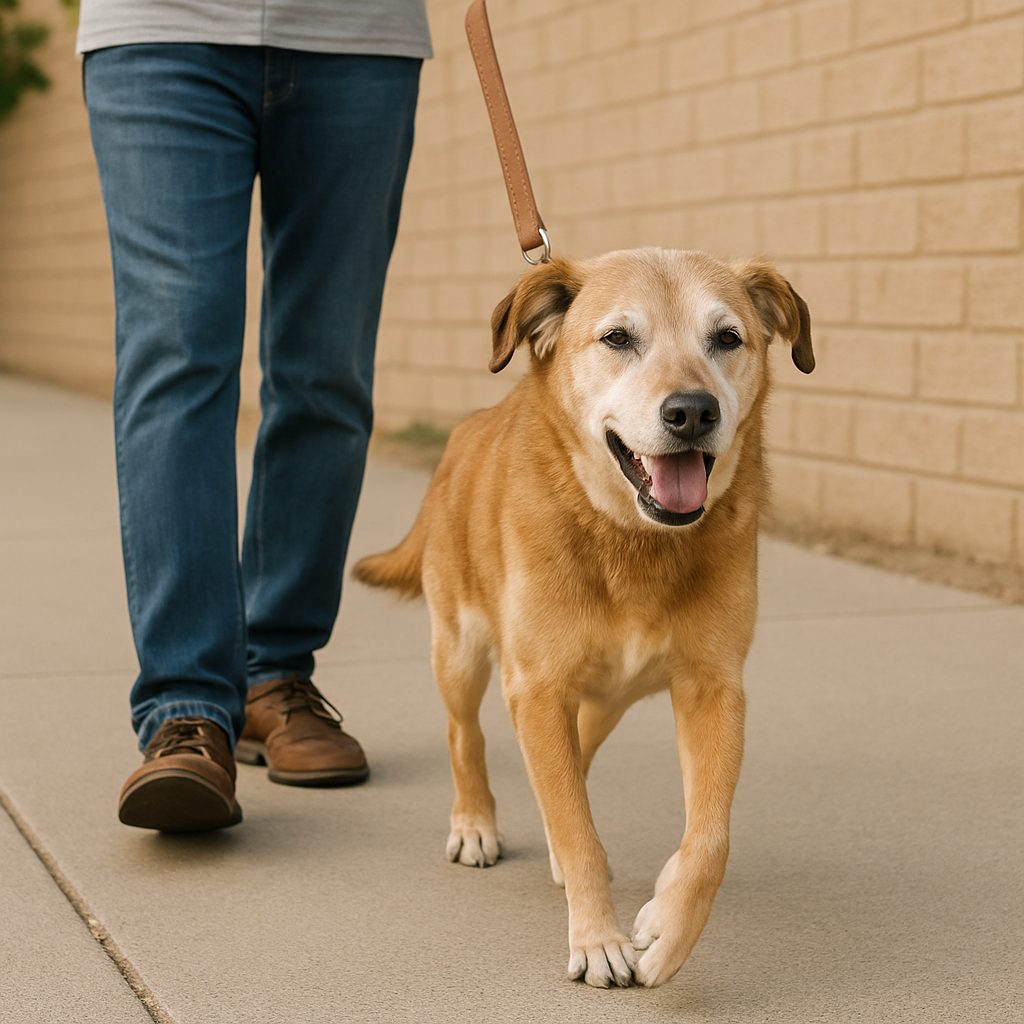
The journey of managing dog joint pain requires patience, consistency, and a comprehensive approach that addresses both nutritional and lifestyle factors. With targeted nutrition like Gourmet Pet Chef’s joint-supporting formulations, combined with appropriate veterinary care and lifestyle modifications, dogs with joint pain can maintain comfortable, active lives well into their senior years while preserving the precious bond between pet and owner.
How Can I Help My Dog with Joint Pain and Mobility Issues? Read More »