Clicky

Digestive Health

How Can I Help My Dog with Pancreatitis Through Diet?

Dog pancreatitis represents one of the most painful and potentially life-threatening digestive conditions affecting canines, occurring when the pancreas becomes inflamed and digestive enzymes begin damaging the organ itself rather than breaking down food in the intestines. When dogs develop pancreatitis, they experience severe abdominal pain, vomiting, loss of appetite, lethargy, and in severe cases, life-threatening complications requiring emergency veterinary care. Understanding the critical role that diet plays in both triggering and preventing pancreatitis flare-ups empowers pet owners to make nutritional choices that protect their dogs from this painful condition and support long-term pancreatic health.

Dog pancreatitis occurs in both acute and chronic forms, with some dogs experiencing single episodes triggered by dietary indiscretion while others develop recurring inflammation requiring lifelong dietary management. Small breed dogs including Miniature Schnauzers, Yorkshire Terriers, Cocker Spaniels, and Miniature Poodles show increased susceptibility to pancreatitis, though dogs of any size or breed can develop this condition. The connection between diet—particularly dietary fat content—and pancreatitis is well-established in veterinary medicine, making nutritional management an essential component of both treatment and prevention strategies for dogs with pancreatic disease.

Understanding Dog Pancreatitis and Its Causes

Dog pancreatitis develops when digestive enzymes that normally remain inactive until reaching the intestines become prematurely activated within the pancreas itself, causing the organ to essentially digest its own tissues. This inflammatory process causes severe pain and can lead to systemic complications affecting other organs if not promptly treated. According to research from the American College of Veterinary Internal Medicine, pancreatitis ranks among the most common gastrointestinal emergencies in dogs, with dietary factors playing a significant role in many cases.

Multiple factors can trigger dog pancreatitis, including high-fat meals or treats, obesity, certain medications, hyperlipidemia (elevated blood fats), trauma to the abdomen, and various underlying diseases. The classic trigger involves dogs consuming unusually fatty foods—holiday table scraps, fatty meat trimmings, or rich treats—which can precipitate acute pancreatitis in susceptible individuals. Dogs with a history of pancreatitis face increased risk of recurrent episodes, making ongoing dietary management crucial for preventing flare-ups and maintaining quality of life.

The Critical Importance of Fat Restriction in Dog Pancreatitis

Fat represents the primary dietary trigger for dog pancreatitis because the pancreas must produce and secrete large amounts of lipase enzymes to digest dietary fats. High-fat meals place excessive demands on the pancreas, potentially triggering inflammation in susceptible dogs or exacerbating existing pancreatic disease. For dogs recovering from pancreatitis or those with chronic pancreatic issues, veterinarians typically recommend diets containing 10% fat or less on a dry matter basis to minimize pancreatic stimulation and reduce inflammation risk.

The challenge with fat restriction in dog pancreatitis management lies in balancing pancreatic protection with adequate nutrition and palatability. Fat provides concentrated calories, essential fatty acids, and enhances food palatability—all important factors for maintaining body condition and encouraging eating in dogs who may have reduced appetite following pancreatitis episodes. Working with veterinary nutritionists or companies offering customizable formulations allows for precise fat level adjustments that meet individual dogs’ needs while protecting pancreatic health.

Easily Digestible Nutrition for Dogs with Pancreatitis

Beyond fat restriction, dogs with pancreatitis benefit from highly digestible ingredients that minimize pancreatic workload and support gentle digestion. Easily digestible carbohydrates like white rice, oatmeal, or sweet potato provide energy without excessive pancreatic stimulation, while high-quality protein sources support tissue repair and maintain muscle mass without overtaxing digestive capacity. The digestibility of ingredients matters significantly—whole food ingredients in simple preparations are typically more easily digested than heavily processed or complex formulations.

For dogs recovering from acute pancreatitis, veterinarians often recommend starting with very bland, low-fat diets prepared with simple ingredients like boiled chicken breast (with skin and fat removed) and white rice cooked in water rather than broth. As dogs stabilize, more comprehensive nutrition can be gradually introduced, always maintaining appropriate fat restriction and focusing on highly digestible ingredient forms. Dogs with chronic pancreatitis require ongoing attention to diet composition, avoiding greasy, processed, or excessively fatty ingredients that could trigger recurrent episodes.

Ingredients to Avoid for Dogs with Pancreatitis

Dogs with pancreatitis or pancreatitis risk should strictly avoid high-fat foods, including fatty meat cuts, skin and trimmings, fried foods, butter, cheese, and many commercial treats that contain significant fat content. Processed ingredients, artificial additives, and low-quality proteins may be more difficult to digest and could potentially irritate sensitive digestive systems already compromised by pancreatic disease. Table scraps and human food sharing become particularly risky for dogs with pancreatitis history, as even small amounts of inappropriate foods can trigger severe flare-ups.

Additionally, sudden diet changes can stress the digestive system in dogs with sensitive pancreases. Any dietary transitions for dogs with pancreatitis should occur gradually over 7-10 days, mixing increasing amounts of new food with decreasing amounts of current food to allow digestive adaptation. Treats must be carefully selected for appropriate fat content—many commercial treats contain surprisingly high fat levels that could endanger dogs requiring pancreatic protection.

Gourmet Pet Chef’s Approach to Pancreatic-Friendly Nutrition

At Gourmet Pet Chef, we understand that dogs with pancreatitis require specialized nutritional approaches that balance pancreatic protection with comprehensive nutrition. While our standard chicken kibble formulation contains 15% crude fat and provides excellent nutrition for healthy dogs, we recognize that dogs with pancreatitis often require lower fat levels for optimal pancreatic health. For these special cases, contact Gourmet Pet Chef to discuss customized lower-fat formulations specifically designed to meet your dog’s pancreatic health requirements.

Our Chef Prepared fresh food features simple, whole food ingredients including chicken, basmati rice, and vegetables—components that can be modified for pancreatitis-appropriate preparations. For dogs requiring strict fat restriction, we can prepare customized versions using lean chicken breast, rice cooked in water rather than broth, and carefully selected vegetables, ensuring your dog receives nutritionally complete meals that protect their pancreatic health while providing satisfying, palatable nutrition.

Customized Solutions for Dogs with Pancreatitis

Every dog’s pancreatitis situation differs in severity, triggers, and management requirements. Some dogs tolerate slightly higher fat levels while others require extremely strict restriction; some dogs need temporary dietary modifications during recovery while others require permanent dietary changes to prevent recurrence. Our customizable food options allow precise adjustments to fat content, protein sources, and ingredient selection based on your dog’s specific needs and your veterinarian’s recommendations.

If your veterinarian has prescribed a specific therapeutic diet for managing your dog’s pancreatitis, our prescription food services can work within these guidelines while providing the quality ingredients and careful preparation that define Gourmet Pet Chef. We can adjust fat levels, modify protein sources for dogs with concurrent health issues, and ensure appropriate digestibility for sensitive pancreatic systems. For dogs who may benefit from different protein sources while managing pancreatitis, our alternative protein options including fish-based recipes can be modified to meet fat restriction requirements while providing nutritional variety.

Working with Your Veterinarian on Dog Pancreatitis Management

Successfully managing dog pancreatitis requires close collaboration with your veterinarian or veterinary internal medicine specialist who can monitor your dog’s condition and adjust treatment protocols as needed. Dietary recommendations should be individualized based on your dog’s specific case—the severity of inflammation, presence of complications, concurrent health conditions, and response to treatment all influence appropriate nutritional strategies. Some dogs require extremely low fat intake (under 10% on a dry matter basis) while others may tolerate moderate fat restriction, making veterinary guidance essential for determining appropriate levels.

Regular monitoring through veterinary examinations and potentially bloodwork helps ensure your dog’s pancreatitis remains controlled and allows for early detection if inflammation recurs. Weight management becomes particularly important, as obesity increases pancreatitis risk and maintaining lean body condition through appropriate caloric intake protects pancreatic health. If you’re uncertain about the appropriate diet for your dog’s pancreatitis or need help implementing veterinary dietary recommendations, contact Gourmet Pet Chef to discuss how we can create customized nutrition solutions that meet your dog’s specific pancreatic health requirements while ensuring complete, balanced nutrition.
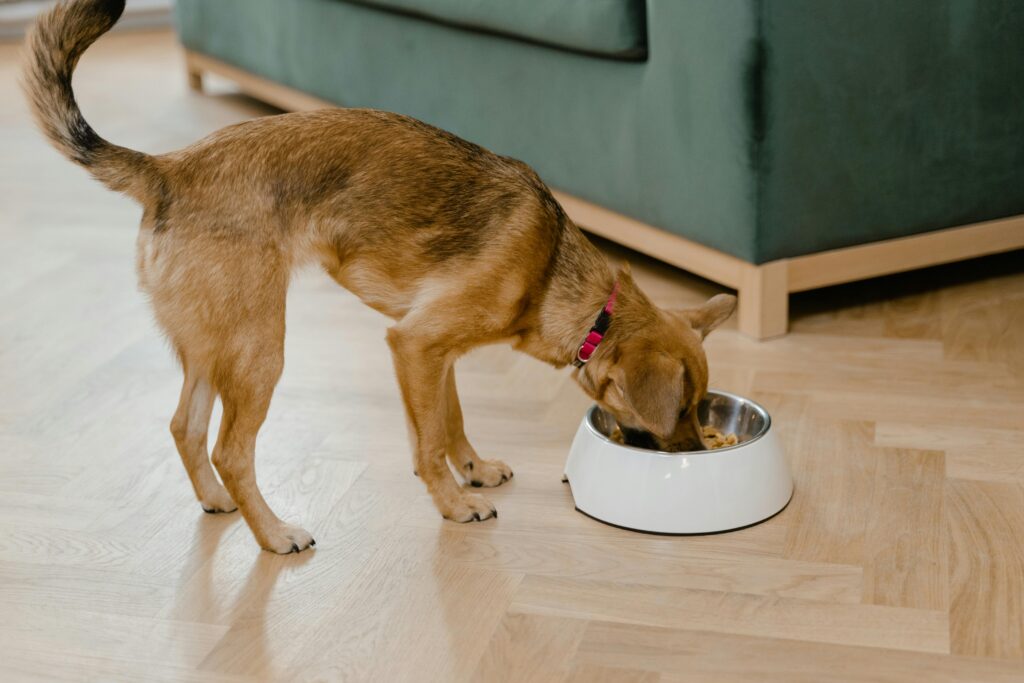
Small breed dog eating easily digestible, pancreas-friendly food

While dog pancreatitis presents serious challenges requiring immediate veterinary attention, most dogs can successfully manage this condition through appropriate medical treatment combined with carefully controlled nutrition. The key lies in strict adherence to fat-restricted diets, avoiding dietary indiscretions, maintaining healthy body weight, and working closely with your veterinary team to develop the most effective management strategy for your individual dog. Through customized nutrition solutions like those available from Gourmet Pet Chef and ongoing veterinary monitoring, dogs with pancreatitis can enjoy comfortable, healthy lives while minimizing the risk of painful flare-ups and serious complications.

How Can I Help My Dog with Pancreatitis Through Diet? Read More »
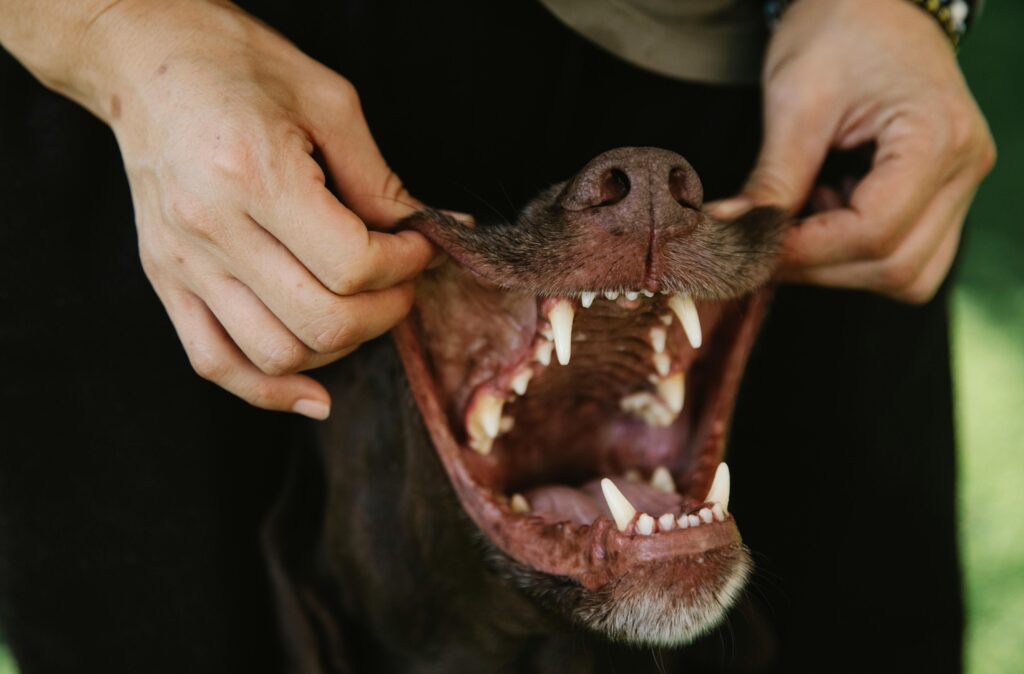
How Can I Help My Dog with Bad Breath and Digestive Issues?

Dog bad breath affects millions of pets and often signals more than just dental problems—it can indicate underlying digestive issues, gut imbalances, or dietary factors that require attention beyond regular tooth brushing. When dogs develop persistent bad breath, many pet owners assume the problem is purely dental and invest in dental chews or professional cleanings, only to find the odor returns quickly. Understanding that dog bad breath frequently originates from the digestive system rather than just the mouth empowers pet owners to address root causes through comprehensive approaches that include appropriate nutrition, gut health support, and veterinary care when needed.

Dog bad breath, medically termed halitosis, can range from mildly unpleasant to overwhelmingly foul, depending on the underlying cause. While periodontal disease certainly contributes to oral odor in many dogs, especially as they age, the connection between gut health and breath quality has gained increasing recognition in veterinary medicine. The digestive system hosts trillions of bacteria that influence not only digestion and nutrient absorption but also the odors produced during metabolic processes. When gut bacteria populations become imbalanced—a condition called dysbiosis—the resulting fermentation and metabolic byproducts can create odors that manifest as bad breath, making dietary interventions an important component of managing this common complaint.

Understanding the Causes of Dog Bad Breath

Dog bad breath stems from multiple potential sources, with dental disease being the most commonly recognized culprit. Plaque and tartar accumulation on teeth creates pockets where bacteria proliferate, producing volatile sulfur compounds that generate characteristic “dog breath” odor. However, according to veterinary dental specialists and research from the American Veterinary Dental College, persistent bad breath that doesn’t improve with dental cleaning or rapidly returns after professional treatment often indicates issues beyond the oral cavity requiring further investigation.

Gastrointestinal causes of dog bad breath include poor digestion, food intolerances, inflammatory bowel conditions, small intestinal bacterial overgrowth (SIBO), and dietary factors that promote unhealthy bacterial populations in the gut. When dogs struggle to properly digest their food, undigested proteins and carbohydrates can ferment in the intestines, producing gases and compounds that are absorbed into the bloodstream and eventually expelled through the lungs, creating breath odor. Additionally, some systemic diseases including kidney disease and diabetes can produce distinctive breath odors, making veterinary evaluation important for dogs with sudden or severe breath changes.

The Gut Health Connection to Dog Bad Breath

The gut microbiome—the complex community of bacteria, fungi, and other microorganisms living in the digestive tract—plays a crucial role in overall health including breath quality. When beneficial bacteria dominate the gut environment, they promote efficient digestion, produce helpful metabolic byproducts, and prevent overgrowth of odor-producing pathogenic bacteria. However, when this balance shifts toward unhealthy bacterial populations, often due to poor diet quality, antibiotic use, stress, or underlying disease, the resulting dysbiosis can contribute to dog bad breath along with other digestive symptoms like gas, loose stools, or poor appetite.

Probiotics—beneficial live microorganisms—can help restore healthy gut bacterial balance when incorporated into a dog’s diet. Multiple probiotic strains including Lactobacillus and Bacillus species have been studied in veterinary medicine for their ability to support digestive health and potentially reduce unpleasant odors by outcompeting harmful bacteria and producing compounds that maintain optimal gut pH. The effectiveness of probiotics depends on strain selection, viable organism counts, and consistent administration over time, making incorporation into daily nutrition an ideal delivery method.

Natural Breath-Freshening Ingredients for Dog Bad Breath

Certain herbs and whole food ingredients offer natural breath-freshening properties that can help manage dog bad breath while supporting overall health. Parsley contains chlorophyll, a natural deodorizer that may help neutralize odors, along with vitamins and antioxidants that support oral and digestive health. Fresh parsley has been traditionally used as a breath freshener in both human and veterinary applications, though it should be used in appropriate amounts as part of a balanced diet.

Mint, another herb with natural aromatic properties, provides a pleasant scent while potentially offering mild antimicrobial benefits. However, it’s important to distinguish between culinary mint herbs that are safe for dogs in small amounts and concentrated peppermint or spearmint essential oils, which can be problematic and should not be used without veterinary guidance. When incorporated appropriately into dog food formulations, these herbs may contribute to fresher breath while providing additional phytonutrients that support health.

Dietary Factors That Contribute to Dog Bad Breath

Low-quality ingredients and artificial additives in some commercial dog foods can contribute to dog bad breath by promoting unhealthy gut bacteria populations and poor digestion. Foods containing excessive amounts of simple carbohydrates, artificial colors, flavors, and preservatives may feed harmful bacteria while failing to provide the nutritional quality needed for optimal digestive function. Additionally, some dogs develop food sensitivities to specific ingredients like corn, wheat, or certain proteins, leading to chronic inflammation and digestive upset that manifests as bad breath among other symptoms.

The digestibility of protein sources significantly impacts both nutrient utilization and potential for odor production. Highly digestible proteins from quality meat sources are efficiently broken down and absorbed, leaving less undigested material to ferment in the intestines. Conversely, low-quality protein meals, excessive plant proteins, or poorly processed ingredients may pass through partially undigested, providing substrate for bacterial fermentation that contributes to gas, digestive upset, and bad breath.

Gourmet Pet Chef’s Approach to Supporting Fresh Breath

At Gourmet Pet Chef, we understand that dog bad breath often reflects internal health, which is why our formulations focus on supporting digestive wellness alongside providing fresh, wholesome nutrition. Our chicken kibble includes organic parsley among its whole food ingredients, providing natural breath-freshening properties along with valuable nutrients. The kibble also contains multiple probiotic strains including Lactobacillus acidophilus, Lactobacillus casei, Enterococcus faecium, and several Bacillus species that support healthy gut bacterial balance.

With highly digestible protein sources providing not less than 28% crude protein, our formulations offer concentrated nutrition that dogs can efficiently utilize, reducing the undigested material available for fermentation. The crunchy texture of our kibble also provides mechanical cleaning action on teeth during chewing, helping manage plaque accumulation that can contribute to oral sources of bad breath. Our foods exclude corn, soy, wheat, and artificial preservatives—ingredients that may contribute to digestive upset and breath odor in sensitive dogs.

Our Chef Prepared fresh food offers an alternative format featuring simple, whole food ingredients that are easy to digest. The fresh format may be particularly beneficial for dogs with sensitive digestive systems or those who struggle with kibble digestion, potentially helping address gut-related causes of bad breath through improved nutrient absorption and reduced fermentation.

Customized Solutions for Complex Dog Bad Breath Cases

While many dogs experience improvement in breath quality when switched to high-quality, digestible diets with probiotic support, some cases of dog bad breath require more targeted interventions. Dogs with chronic digestive issues, multiple food sensitivities, or underlying health conditions may need customized nutritional approaches that address their specific needs. If your dog continues experiencing bad breath despite dental care and dietary improvements, contact Gourmet Pet Chef to discuss custom formulations specifically designed for your dog’s unique health situation.

Our customizable food options allow for precise modifications to address individual digestive needs, incorporate specific probiotic strains at therapeutic levels, or adjust ingredient profiles to avoid known sensitivities contributing to gut dysbiosis and bad breath. For dogs requiring veterinary-prescribed dietary interventions for digestive conditions, our prescription food services can implement these recommendations using our high-quality, digestible ingredients. If protein sensitivities contribute to your dog’s digestive issues and bad breath, explore our alternative protein options to identify the most appropriate protein source for optimal digestion.

When Dog Bad Breath Requires Veterinary Attention

While dietary improvements can significantly impact dog bad breath arising from digestive causes, certain situations warrant immediate veterinary evaluation. Sudden onset of severely foul breath, especially accompanied by lethargy, vomiting, diarrhea, or appetite loss, may indicate serious conditions requiring medical intervention. Breath that smells sweet or fruity could indicate diabetes, while ammonia-like breath odor may suggest kidney disease—both requiring prompt veterinary care.

Healthy dog with fresh breath from quality nutrition and good gut health

Regular dental examinations remain important even when addressing gut-related causes of dog bad breath, as dental disease requires professional treatment to prevent tooth loss, pain, and systemic infection. The most effective approach combines appropriate dental care, high-quality digestible nutrition with probiotic support, and veterinary monitoring to ensure your dog’s bad breath doesn’t signal underlying health problems. If you’re uncertain about the best nutritional approach for your dog’s specific bad breath concerns, contact Gourmet Pet Chef to connect with our nutrition experts who can help develop a targeted feeding plan that supports fresh breath, healthy digestion, and overall wellbeing for your beloved companion.

How Can I Help My Dog with Bad Breath and Digestive Issues? Read More »

How Can I Help My Dog with Soft Stools and Digestive Issues?

Dog soft stools represent one of the most common digestive concerns affecting pet owners, causing frustration with messy cleanups, frequent potty accidents, and worry about underlying health problems. When dogs consistently produce loose, unformed, or runny stools rather than firm, well-formed waste, it signals that something in their digestive system isn’t functioning optimally—whether related to diet, food sensitivities, bacterial imbalances, or other health factors. Understanding the causes of dog soft stools and how dietary modifications can support firmer, more consistent bowel movements empowers pet owners to help their dogs achieve better digestive health and more comfortable daily routines.

Dog soft stools differ from occasional diarrhea, which typically resolves within a day or two and may result from dietary indiscretion, stress, or minor illness. Chronic soft stools persist over weeks or months, creating ongoing management challenges and potentially indicating food sensitivities, inadequate fiber intake, poor protein digestibility, or imbalanced gut bacteria. Many dogs with soft stools otherwise appear healthy and active, making it easy for owners to accept loose stools as “normal” for their dog when dietary adjustments could significantly improve stool quality and digestive comfort.

Common Causes of Dog Soft Stools

Dog soft stools develop from numerous potential causes, with dietary factors being among the most common and modifiable. Low-quality protein sources, particularly meat by-products and plant-based proteins, may be poorly digestible for some dogs, leading to incomplete nutrient absorption and excess undigested material reaching the colon where it draws water and creates loose stools. Food sensitivities or intolerances to specific ingredients like dairy, certain proteins, or grains can trigger inflammatory responses in the digestive tract, resulting in chronic soft stools without necessarily causing severe diarrhea.

According to veterinary gastroenterology research from Cornell University College of Veterinary Medicine, inadequate dietary fiber represents another frequent contributor to stool consistency issues in pets. Dogs require appropriate amounts of both soluble and insoluble fiber to maintain healthy digestive transit time and proper stool formation—too little fiber can result in soft, poorly formed stools, while excessive fiber may worsen the problem by increasing stool volume and water content.

The Fiber Solution: How Pumpkin and Sweet Potato Help Dog Soft Stools

Pumpkin has become legendary among pet owners as a natural remedy for both diarrhea and constipation in dogs, earning its reputation through its unique combination of soluble and insoluble fiber. The soluble fiber in pumpkin absorbs excess water in the digestive tract, helping to firm up loose stools, while also adding bulk that promotes regular bowel movements. This dual-action effect makes pumpkin particularly effective for addressing dog soft stools caused by insufficient fiber or poor stool formation.

Sweet potato offers similar benefits for dogs with soft stools, providing easily digestible complex carbohydrates along with beneficial fiber that supports digestive health. Both pumpkin and sweet potato are highly palatable to most dogs and generally well-tolerated even by dogs with sensitive stomachs. These ingredients also provide additional nutritional benefits including vitamins A and C, potassium, and antioxidants that support overall health while addressing stool consistency issues. Many veterinarians recommend incorporating these fiber sources for dogs experiencing chronic soft stools, as they offer a gentle, natural approach to improving digestive function.

Probiotics and Prebiotics for Dog Soft Stools

The gut microbiome—the complex community of bacteria living in the digestive tract—plays a crucial role in digestive health and stool consistency. When beneficial bacteria populations become imbalanced, it can lead to various digestive issues including dog soft stools. Probiotics are live beneficial bacteria that, when administered in adequate amounts, can help restore healthy gut flora balance and improve digestive function. Prebiotics are non-digestible food components that feed beneficial bacteria, supporting their growth and activity.

Research in veterinary nutrition demonstrates that specific probiotic strains can improve stool quality in dogs with digestive sensitivities. Strains like Lactobacillus acidophilus, Lactobacillus casei, Enterococcus faecium, and various Bacillus species have shown beneficial effects on digestive health in canine studies. Dogs receiving appropriate probiotic supplementation often show improvement in stool consistency, reduced gas and bloating, and better overall digestive comfort. The key lies in using products containing viable bacterial strains at sufficient concentrations to colonize the gut and exert beneficial effects.

Protein Quality and Digestibility in Managing Dog Soft Stools

The quality and digestibility of protein sources significantly impact stool consistency in dogs. High-quality, whole meat proteins—such as chicken, beef, or fish—are highly digestible for most dogs, meaning the body efficiently breaks them down and absorbs the amino acids with minimal waste reaching the colon. Conversely, low-quality protein sources including meat by-products, poorly processed meals, or plant-based proteins may be less digestible, resulting in more undigested material entering the large intestine where bacterial fermentation and water retention create soft, loose stools.

Dogs with soft stools often improve dramatically when switched to diets featuring highly digestible protein sources as the primary ingredients. The guaranteed crude protein content matters less than the quality and digestibility of that protein—a food with 28% protein from whole chicken and chicken meal typically supports better stool quality than one with 30% protein from mixed plant and animal by-product sources. Digestibility coefficients, though rarely listed on pet food labels, represent the percentage of protein actually absorbed by the body, with higher digestibility correlating with firmer, better-formed stools.

Gourmet Pet Chef’s Digestive-Friendly Formulations

At Gourmet Pet Chef, our formulations prioritize highly digestible ingredients that support optimal stool consistency and digestive health. Our chicken kibble features deboned chicken and chicken meal as primary protein sources, providing not less than 28% crude protein from high-quality, digestible meat ingredients rather than by-products or plant proteins. This protein quality helps ensure efficient digestion and nutrient absorption, reducing the undigested material that can contribute to soft stools.

Our kibble includes organic pumpkin and organic carrots among its whole food ingredients, providing beneficial fiber that supports healthy stool formation and digestive regularity. The formulation also contains multiple probiotic strains including Lactobacillus acidophilus, Lactobacillus casei, Enterococcus faecium, Bacillus subtilis, Bacillus licheniformis, and Bacillus coagulans—all fermentation products specifically included to support healthy gut flora and digestive function. Additionally, prebiotic ingredients and digestive enzymes from Aspergillus oryzae and Aspergillus niger fermentation products help break down nutrients for better absorption.

Custom Solutions for Persistent Dog Soft Stools

While many dogs with soft stools improve on our standard formulations, some require more targeted nutritional approaches based on their specific digestive sensitivities or health conditions. Our Chef Prepared fresh food offers a limited-ingredient alternative with easily digestible whole food components including chicken, basmati rice, green peas, and carrots—a simple formulation that may benefit dogs with complex food sensitivities contributing to their stool issues.

For dogs requiring customized fiber levels, specific protein sources, or other modifications to address persistent soft stools, our customizable food options allow for precise adjustments based on individual needs. If your dog continues experiencing chronic soft stools despite dietary changes, contact Gourmet Pet Chef to discuss custom formulations that can address your dog’s specific digestive challenges. Our nutrition experts can help identify potential dietary triggers and develop meal plans optimized for your dog’s digestive health.

When veterinarians diagnose underlying conditions requiring therapeutic nutrition, our prescription food services can implement these recommendations while maintaining ingredient quality. Dogs who may have protein-related sensitivities contributing to their soft stools can explore our alternative protein options to identify the most digestible and appropriate protein source for their individual system.

When to Seek Veterinary Care for Dog Soft Stools

While dietary modifications effectively address many cases of chronic soft stools, certain situations require veterinary evaluation to rule out underlying health conditions. Seek veterinary care if your dog experiences soft stools accompanied by blood or mucus, vomiting, lethargy, loss of appetite, weight loss, or signs of abdominal pain. Sudden changes from normal to consistently soft stools, especially in previously healthy dogs, warrant veterinary examination to identify potential causes like parasites, infections, inflammatory bowel disease, or other gastrointestinal disorders.

Healthy dog with improved digestive health and firm stools

Puppies and senior dogs with soft stools require particular attention, as their immune systems and digestive resilience differ from healthy adult dogs. Even in cases where soft stools result primarily from dietary factors, working with your veterinarian ensures comprehensive evaluation and helps rule out medical conditions that may require specific treatments beyond nutritional management. If you’re uncertain whether your dog’s soft stools warrant veterinary attention or would simply benefit from dietary optimization, contact Gourmet Pet Chef for guidance—we can help you assess whether working with our customizable nutrition options makes sense or whether veterinary consultation should be the first step in addressing your dog’s digestive concerns.

How Can I Help My Dog with Soft Stools and Digestive Issues? Read More »

How Can I Help My Dog Who Won’t Eat?

Dog appetite loss represents one of the most concerning signs for pet owners, often indicating underlying health issues, discomfort, or changes in a dog’s physical or emotional state that require attention. When dogs refuse to eat or show diminished interest in food, their bodies quickly begin to lose vital nutrients, energy stores, and muscle mass, making nutritional support during these periods absolutely critical for recovery and maintaining health. Understanding the causes behind dog appetite loss and implementing strategies to encourage eating can make the difference between rapid recovery and prolonged illness, particularly in senior dogs, dogs recovering from surgery, or those managing chronic health conditions.

Dog appetite loss differs from simple pickiness—it often signals genuine physical discomfort, nausea, pain, metabolic changes, or sensory decline that makes eating less appealing or more difficult. Senior dogs commonly experience age-related appetite decline due to decreased sense of smell and taste, dental problems, reduced energy needs, and the presence of chronic health conditions that affect their desire to eat. Dogs recovering from surgery or illness face additional challenges including post-anesthetic nausea, pain-related appetite suppression, medication side effects, and the stress of recovery that can significantly impact their willingness to eat. Recognizing when appetite loss requires veterinary intervention versus when it responds to nutritional modifications helps pet owners provide appropriate support during these vulnerable periods.

Common Causes of Dog Appetite Loss

Dog appetite loss stems from numerous potential causes, ranging from minor temporary issues to serious medical conditions requiring immediate veterinary attention. Dental disease, including fractured teeth, periodontal disease, and oral tumors, makes eating painful and causes many dogs to avoid food despite hunger. Gastrointestinal issues like nausea, inflammatory bowel disease, pancreatitis, and gastritis directly suppress appetite through discomfort and changes in digestive hormone signaling. According to veterinary internal medicine specialists at the Cornell University College of Veterinary Medicine, metabolic diseases such as kidney disease, liver disease, and diabetes can significantly impact appetite through toxin accumulation and metabolic disruptions.

Senior dogs experience age-related changes that contribute to dog appetite loss beyond specific disease processes. Decreased olfactory function reduces the aromatic appeal of food, which is particularly important since dogs rely heavily on scent to stimulate appetite. Reduced mobility and activity levels decrease caloric needs, while cognitive dysfunction can cause dogs to forget meal routines or lose interest in food. Post-surgical dogs face temporary appetite suppression from anesthesia effects, pain medications, stress, and the metabolic demands of healing that may paradoxically reduce hunger signals despite increased nutritional needs.

The Power of Aroma and Temperature in Stimulating Dog Appetite Loss Recovery

When addressing dog appetite loss, leveraging the power of food aroma represents one of the most effective strategies for encouraging eating. Dogs possess approximately 300 million olfactory receptors compared to humans’ 6 million, making scent the primary factor driving their food interest and appetite. Warming food releases volatile aromatic compounds that travel through the air, stimulating olfactory receptors and triggering appetite and salivary responses that prepare the digestive system for eating. Cold or room-temperature food produces minimal aroma, making it significantly less appealing to dogs with already suppressed appetites.

The texture and temperature of food also profoundly impact eating willingness in dogs experiencing appetite loss. Soft, moist foods require less chewing effort than hard kibble, making them easier to eat for dogs with dental pain, oral discomfort, or reduced jaw strength common in senior dogs. Warm foods feel more comforting and palatable, particularly for dogs feeling unwell or recovering from medical procedures. The combination of warmth, moisture, and aromatic appeal creates a multi-sensory eating experience that can overcome many barriers to eating in dogs struggling with appetite loss.

Dehydrated Foods: A Solution for Dog Appetite Loss

Dehydrated dog foods offer unique advantages for managing dog appetite loss, particularly when properly rehydrated with warm or hot water. The dehydration process preserves nutrients while removing moisture, creating a shelf-stable product that can be transformed into fresh, aromatic food when water is added. When rehydrated with warm or boiling water, dehydrated meals release intense aromas similar to home-cooked food, providing the powerful olfactory stimulation that drives appetite in dogs. This preparation method allows pet owners to create freshly aromatic meals on demand, maximizing appeal for dogs with diminished food interest.

The rehydration process also allows for texture customization based on individual dog preferences and needs. Adding more water creates a soupy consistency ideal for dogs with severe appetite loss or those requiring additional hydration, while less water produces a more traditional wet food texture. The ability to serve food at optimal temperature—warm but not hot enough to burn—provides the comfort and appeal that encourages eating in reluctant dogs. For senior dogs or those recovering from illness, this flexibility in texture and temperature can be the key factor in maintaining adequate nutrition during challenging periods.

Gourmet Pet Chef’s Chef Prepared: Designed for Dog Appetite Loss

Our Chef Prepared Chicken & Rice with Veggies is specifically formulated to address dog appetite loss through its unique preparation method and ingredient selection. This dehydrated fresh food is cooked fresh when ordered and then carefully dehydrated to preserve nutrients and flavor while eliminating the need for artificial preservatives or additives. The ingredients—chicken, basmati rice, green peas, carrots, soy lecithin, Brazil nuts, yogurt, nutritional yeast, egg shell powder, fish oil, kelp, and vinegar—provide complete nutrition through real, whole food sources that dogs instinctively recognize and desire.

The preparation process makes Chef Prepared ideal for dogs experiencing appetite loss: simply place a small portion in a cup, cover with boiling water or microwave until boiling, then let it sit for approximately 30 minutes. As the food rehydrates, it releases rich aromas of real chicken and vegetables that mimic home-cooked meals, providing the powerful scent stimulus that can overcome even stubborn appetite suppression. The resulting soft, warm meal requires minimal chewing effort while delivering complete nutrition in a highly digestible format perfect for dogs with compromised digestive function or reduced eating capacity.

Enhancing Palatability for Severe Dog Appetite Loss

For dogs with particularly severe appetite loss, additional strategies can enhance the appeal of meals and encourage eating. The natural fish oil content in our Chef Prepared food provides healthy fats that boost both flavor and caloric density, allowing dogs to meet nutritional needs with smaller meal volumes. The yogurt and nutritional yeast contribute natural umami flavors that dogs find highly palatable, while the combination of protein, carbohydrates, and vegetables provides balanced nutrition without overwhelming compromised digestive systems.

If your dog continues refusing food despite these modifications, contact Gourmet Pet Chef to discuss additional customization options for severe appetite loss. Our nutrition experts can suggest modifications like adjusting ingredient ratios, incorporating specific flavor enhancers, or creating customized formulations through our customizable food options that address your dog’s unique situation. For dogs requiring veterinary-prescribed nutritional interventions during illness or recovery, our prescription food services can help implement these recommendations while maintaining the palatability advantages of our fresh, aromatic preparation method.

When Dog Appetite Loss Requires Veterinary Attention

While nutritional strategies can effectively address many cases of dog appetite loss, certain situations require immediate veterinary evaluation rather than home management alone. Complete food refusal lasting more than 24 hours in adult dogs or 12 hours in puppies warrants veterinary assessment, as does appetite loss accompanied by vomiting, diarrhea, lethargy, behavioral changes, or signs of pain. Senior dogs experiencing progressive appetite decline over weeks or months may have underlying conditions like kidney disease, cancer, or dental disease requiring diagnosis and treatment beyond nutritional interventions.

Post-surgical appetite loss typically resolves within 24-48 hours as anesthesia effects wear off and pain management becomes effective. If your dog refuses food for longer periods after surgery or shows signs of distress, contact your veterinarian immediately as this may indicate complications requiring intervention. Dogs with chronic conditions causing recurring appetite loss benefit from ongoing veterinary monitoring to adjust medications, manage underlying diseases, and ensure nutritional strategies remain appropriate for their changing health status.

Supporting Recovery Through Optimal Nutrition

Beyond addressing immediate appetite loss, supporting dogs through recovery periods or managing chronic conditions requires sustained nutritional excellence. Our chicken kibble provides complete nutrition for dogs whose appetites have normalized, while our Chef Prepared food can be mixed with kibble to enhance palatability or used exclusively for dogs preferring softer textures. For dogs with protein sensitivities affecting their appetite or health, our alternative protein options ensure access to appropriate nutrition regardless of dietary restrictions.

Beagle resting on couch showing signs of low energy and reduced appetite

Successfully managing dog appetite loss requires patience, creativity, and willingness to adapt approaches based on individual responses. The combination of nutrient-dense ingredients, powerful aromatic appeal when properly prepared, and soft, easy-to-eat texture makes Gourmet Pet Chef’s Chef Prepared food an invaluable tool for encouraging eating in dogs facing temporary or chronic appetite challenges. If you’re struggling to maintain your dog’s nutrition during illness, recovery, or senior years, contact Gourmet Pet Chef to explore strategies and customizations that can help your dog maintain the nutrition they need to heal, thrive, and enjoy their meals again. Remember that while palatability matters enormously, persistent appetite loss always warrants veterinary evaluation to identify and address underlying causes, ensuring your dog receives comprehensive care that addresses both symptoms and root causes of their eating challenges.

How Can I Help My Dog Who Won’t Eat? Read More »

Well-nourished dog with healthy digestion avoiding coprophagia behavior

How Can I Stop My Dog from Eating Poop (Coprophagia)?

Dog coprophagia, the technical term for poop-eating behavior, ranks among the most distressing and unpleasant habits pet owners encounter, affecting an estimated 16-24% of dogs according to veterinary behavioral studies. When dogs eat poop—whether their own feces, other dogs’ waste, or feces from other animals—owners understandably feel disgusted, embarrassed, and concerned about potential health risks associated with this behavior. Understanding dog coprophagia requires recognizing that this behavior, while revolting to humans, can stem from various causes including nutritional deficiencies, digestive issues, behavioral factors, or simply instinctual behaviors that persist from puppyhood or ancestral survival patterns.

Dog coprophagia manifests in different forms and contexts, with some dogs only eating feces occasionally while others develop persistent habits that resist conventional correction methods. Puppies often explore their world through their mouths and may eat feces as part of normal developmental behavior that typically resolves as they mature. However, when dog coprophagia continues into adulthood or develops suddenly in previously non-coprophagic dogs, underlying causes warrant investigation. The behavior may indicate nutritional inadequacies, digestive dysfunction preventing proper nutrient absorption, intestinal parasites, certain medical conditions, or behavioral issues including anxiety, boredom, or attention-seeking.

Understanding the Causes of Dog Coprophagia

Dog coprophagia develops from multiple potential causes, making diagnosis and treatment require careful evaluation of individual circumstances. Nutritional deficiencies represent one significant contributor—dogs fed low-quality diets with poor digestibility may not absorb adequate nutrients, leading them to seek nutrition from feces which still contains undigested nutrients and digestive enzymes. According to research published in veterinary behavioral journals and cited by the American Kennel Club, enzyme deficiencies and malabsorption issues can drive coprophagic behavior as dogs attempt to obtain nutrients their bodies aren’t properly extracting from their regular food.

Digestive enzyme insufficiency, particularly exocrine pancreatic insufficiency (EPI), can cause dog coprophagia as affected dogs produce inadequate digestive enzymes needed to break down food properly. These dogs may eat large quantities yet remain thin and hungry, sometimes turning to coprophagia in attempts to obtain enzymes present in feces. Intestinal parasites can similarly interfere with nutrient absorption, potentially triggering coprophagic behavior. Certain vitamin deficiencies, particularly B vitamins including thiamine, have been theoretically linked to dog coprophagia, though definitive research establishing causation remains limited.

The Role of Digestive Health in Dog Coprophagia

The connection between digestive health and dog coprophagia centers on nutrient absorption efficiency and gut microbiome balance. Dogs with compromised digestive function may not fully break down and absorb nutrients from their food, resulting in nutrient-rich feces that smell appealing to dogs and potentially trigger coprophagic behavior. Poor digestibility of protein sources means more undigested protein passes through the digestive system and into feces, making waste more attractive as a potential food source.

Gut microbiome imbalances may also contribute to dog coprophagia in some cases. The beneficial bacteria, or probiotics, living in a dog’s intestinal tract play crucial roles in digestion, nutrient synthesis (including B vitamins), and overall digestive health. When this microbial balance becomes disrupted—through antibiotic use, stress, dietary changes, or illness—digestive efficiency may decline, potentially contributing to nutritional inadequacies that could drive coprophagic behavior. Additionally, dogs may instinctively seek to repopulate their gut bacteria by consuming feces containing diverse microbial populations.

Nutritional Solutions for Dog Coprophagia

Addressing dog coprophagia through nutrition focuses on ensuring optimal nutrient absorption and digestive function. High-quality, highly digestible protein sources allow dogs to extract maximum nutrition from their food, reducing the likelihood that nutritional deficiencies drive coprophagic behavior. When protein digestibility improves, less undigested protein remains in feces, potentially making waste less appealing to dogs prone to coprophagia.

Supplementing digestive enzymes can support proper food breakdown and nutrient absorption, particularly important for dogs with enzyme insufficiencies or compromised pancreatic function. Protease, amylase, and lipase enzymes help break down proteins, carbohydrates, and fats respectively, ensuring dogs obtain maximum nutritional value from their meals. Probiotic supplementation supports healthy gut microbiome balance, potentially improving overall digestive efficiency and B vitamin synthesis by beneficial bacteria.

B Vitamins and Dog Coprophagia Connection

The relationship between B vitamin deficiencies and dog coprophagia has been discussed in veterinary literature, though definitive causal links remain incompletely established. B vitamins, including thiamine (B1), riboflavin (B2), niacin (B3), and others, play essential roles in metabolism, nervous system function, and overall health. Some veterinary professionals theorize that dogs deficient in B vitamins may engage in coprophagia to obtain these nutrients, as feces can contain B vitamins produced by gut bacteria or remaining from incompletely digested food.

Thiamine deficiency specifically has been mentioned in older veterinary texts as potentially contributing to coprophagic behavior, though modern research providing strong evidence for this connection is limited. Many dogs with adequate B vitamin intake still exhibit coprophagia, indicating that vitamin deficiency alone doesn’t fully explain this behavior. However, ensuring adequate B vitamin intake through high-quality nutrition represents a reasonable component of comprehensive coprophagia management strategies.

Gourmet Pet Chef’s Digestive Health Approach for Dog Coprophagia

At Gourmet Pet Chef, our formulations prioritize digestive health and nutrient absorption—factors particularly relevant for dogs struggling with coprophagia. Our chicken kibble features multiple highly digestible protein sources including deboned chicken, chicken meal, and menhaden fish meal, providing easily absorbed nutrition that maximizes nutrient extraction and minimizes undigested material passing into feces.

Our formulation includes comprehensive probiotic support with multiple beneficial bacterial strains: dried Lactobacillus acidophilus fermentation product, dried Lactobacillus casei fermentation product, dried Enterococcus faecium fermentation product, dried Bacillus subtilis fermentation product, dried Bacillus licheniformis fermentation product, dried Bacillus coagulans fermentation product, dried Aspergillus oryzae fermentation product, and dried Aspergillus niger fermentation product. This diverse probiotic blend supports healthy gut microbiome balance and optimal digestive function. Additionally, our recipe includes brewers dried yeast, a natural source of B vitamins that may help address potential deficiencies sometimes theoretically linked to coprophagia.

Our Chef Prepared fresh food provides highly digestible whole food nutrition with simple ingredients, while nutritional yeast included in the formulation serves as another natural B vitamin source supporting overall nutritional completeness.

Customized Solutions for Persistent Dog Coprophagia

When dog coprophagia persists despite dietary improvements and behavioral interventions, individualized nutritional approaches may provide additional support. Some dogs may benefit from enhanced digestive enzyme supplementation beyond what’s provided in standard foods, or from specific probiotic strains targeted to their individual gut health needs. If your dog continues exhibiting coprophagic behavior, contact Gourmet Pet Chef to discuss custom formulations designed to address your dog’s specific digestive health and nutritional requirements.

Our customizable food options allow for modifications including enhanced probiotic levels, specific enzyme additions, or adjustments to protein sources and digestibility factors that may help address underlying nutritional factors contributing to coprophagia. For dogs with diagnosed digestive conditions requiring veterinary-prescribed dietary management, our prescription food services can work within your veterinarian’s recommendations. If protein sensitivities affect your dog’s digestive efficiency, explore our alternative protein options to identify the most digestible protein source for your individual dog.

Comprehensive Management of Dog Coprophagia

Successfully eliminating dog coprophagia typically requires multi-faceted approaches combining nutritional optimization, behavioral modification, and environmental management. While improving diet quality and digestive health addresses potential nutritional drivers, training and management prevent opportunities for the behavior. Immediately cleaning up feces eliminates access, while positive reinforcement training can redirect dogs away from coprophagic behavior and reward desired alternatives.

Well-nourished dog with healthy digestion avoiding coprophagia behavior

Veterinary evaluation remains important for dogs with persistent coprophagia, as underlying medical conditions including exocrine pancreatic insufficiency, intestinal parasites, inflammatory bowel disease, or other digestive disorders may require specific diagnosis and treatment. Behavioral factors including anxiety, boredom, or attention-seeking may also drive coprophagia in some dogs, warranting consultation with veterinary behaviorists when nutritional interventions alone prove insufficient.

If dietary improvements haven’t resolved your dog’s coprophagia after several weeks, contact Gourmet Pet Chef to explore additional nutritional strategies and discuss whether enhanced digestive support formulations might benefit your dog’s specific situation. Through comprehensive approaches addressing nutrition, behavior, and any underlying medical issues, most cases of dog coprophagia can be successfully managed, allowing both dogs and their owners to enjoy more pleasant interactions without this distressing behavior.

How Can I Stop My Dog from Eating Poop (Coprophagia)? Read More »

Dog with healthy digestion free from gas and bloating discomfort

How Can I Help My Dog with Excessive Gas and Bloating?

How Can I Help My Dog with Excessive Gas and Bloating?

Dog gas and bloating affect countless households, creating embarrassing social situations and indicating potential digestive issues that compromise your dog’s comfort and health. When dogs experience excessive flatulence and bloating, these symptoms signal that something in their digestive process isn’t working optimally—whether due to poor-quality ingredients, food sensitivities, rapid eating habits, or insufficient digestive enzyme and bacterial support. Understanding the causes of dog gas and bloating empowers pet owners to make dietary adjustments that can dramatically improve their dog’s digestive comfort while eliminating those notorious room-clearing moments that make guests question their decision to visit.

Dog gas and bloating don’t just cause social discomfort—they indicate that your dog’s digestive system struggles to properly break down and absorb nutrients from their food. Excessive gas production occurs when undigested food particles reach the large intestine where bacteria ferment them, producing hydrogen, methane, and other gases that must be expelled. Bloating represents gas accumulation in the stomach or intestines, causing visible abdominal distension and discomfort. While occasional gas is normal in all dogs, persistent or excessive flatulence accompanied by bloating suggests dietary factors or digestive dysfunction requiring attention to prevent potential complications and improve your dog’s quality of life.

Understanding the Causes of Dog Gas and Bloating

Dog gas and bloating stem from multiple potential causes, with diet-related factors being among the most common and easily modifiable. Low-quality proteins that are difficult to digest pass through the small intestine incompletely broken down, arriving in the large intestine where resident bacteria ferment these protein fragments, producing foul-smelling gases. Similarly, certain carbohydrates—particularly those from corn, soy, wheat, and some legumes—contain complex sugars and fibers that dogs lack sufficient enzymes to digest, leading to bacterial fermentation and excessive gas production.

Food intolerances and sensitivities contribute significantly to dog gas and bloating, with many dogs reacting to specific ingredients by developing inflammation, altered gut motility, or disrupted digestion that increases gas production. According to veterinary gastroenterology research cited by the American Kennel Club, rapid eating habits cause dogs to swallow excessive air (aerophagia), which contributes to both gas and bloating. Dogs who gulp their food without adequate chewing also fail to initiate proper digestive processes in the mouth, compounding digestive challenges further along the gastrointestinal tract.

Certain breeds face increased susceptibility to gas and bloating issues—brachycephalic breeds like Bulldogs, Pugs, and Boston Terriers tend to swallow more air due to their facial structure, while deep-chested breeds like Great Danes, German Shepherds, and Standard Poodles show elevated risk for gastric dilatation-volvulus (bloat), a life-threatening condition distinct from simple gas-related bloating. Understanding your dog’s individual risk factors helps guide appropriate dietary choices and feeding practices.

The Role of Digestibility in Reducing Dog Gas and Bloating

Highly digestible ingredients represent the foundation for reducing dog gas and bloating, as proteins and carbohydrates that break down efficiently in the small intestine leave minimal residue for bacterial fermentation in the large intestine. Protein digestibility varies significantly among sources—whole meat proteins like chicken, turkey, and fish typically demonstrate digestibility rates of 85-95%, while some plant proteins and meat by-products may achieve only 60-75% digestibility. This difference means that less digestible proteins leave substantially more undigested material to ferment and produce gas.

High-quality protein sources undergo gentle processing that preserves amino acid availability and digestibility, ensuring maximum nutrient absorption in the small intestine where it belongs. When dogs consume easily digestible proteins paired with appropriate carbohydrate sources like rice—which provides readily digestible energy without excessive fermentable fiber—the digestive system works efficiently with minimal gas production. The classic combination of chicken and rice has long been recommended by veterinarians for dogs with digestive upset precisely because both ingredients offer exceptional digestibility and minimal fermentation potential.

Ingredients That Promote Dog Gas and Bloating

Certain common dog food ingredients contribute disproportionately to gas and bloating issues, making their elimination particularly beneficial for dogs with sensitive digestive systems. Soy, corn, and wheat—frequent fillers in commercial dog foods—contain complex carbohydrates and proteins that many dogs struggle to digest completely. Soy contains oligosaccharides that dogs lack enzymes to break down, leading to substantial gas production. Corn provides primarily starch with limited nutritional value, and when poorly digested, becomes fuel for gas-producing bacteria in the colon.

Artificial additives including preservatives, colors, and flavors may disrupt normal gut bacteria balance and trigger inflammatory responses in the digestive tract, both of which can increase gas production and bloating. Rendered fats and low-quality meat by-products may contain difficult-to-digest components or potential contaminants that further compromise digestive efficiency. Dogs consuming diets high in these problematic ingredients often experience chronic gas and bloating that resolves dramatically when switched to cleaner, more digestible formulations.

Probiotics and Prebiotics: Supporting Healthy Digestion in Dogs

The gut microbiome—the diverse community of bacteria, fungi, and other microorganisms inhabiting the digestive tract—plays crucial roles in digestion, nutrient production, and gas management. Probiotics are beneficial bacteria that support healthy microbiome balance, improving digestion efficiency and reducing production of foul-smelling gases. Specific probiotic strains help break down complex carbohydrates, synthesize vitamins, support immune function, and compete with gas-producing bacteria for resources and attachment sites in the intestines.

Prebiotics are specialized plant fibers that serve as food for beneficial gut bacteria, promoting their growth and activity. While they aren’t digested by the dog directly, prebiotics nourish probiotic bacteria, helping them thrive and outcompete potentially problematic microorganisms. The combination of probiotics and prebiotics—sometimes called “synbiotics”—provides both the beneficial bacteria and the fuel they need to flourish, creating optimal conditions for efficient digestion with minimal gas and bloating.

Research in veterinary nutrition demonstrates that dogs receiving probiotic supplementation often show improved digestive function, firmer stools, reduced gas production, and better nutrient absorption. The effects aren’t instantaneous—it typically takes 2-4 weeks of consistent probiotic intake for gut microbiome changes to produce noticeable improvements in gas and bloating symptoms. Maintaining probiotic intake long-term sustains these benefits and supports overall digestive health throughout your dog’s life.

Gourmet Pet Chef’s Digestive-Friendly Formulations

At Gourmet Pet Chef, we formulate our foods specifically to support optimal digestion and minimize gas and bloating issues. Our chicken kibble features highly digestible proteins including deboned chicken, chicken meal, and fish meal that provide exceptional nutrient bioavailability with minimal fermentation potential. We exclude common gas-promoting ingredients—no corn, no soy, no wheat, no artificial preservatives or additives—that compromise digestive efficiency in sensitive dogs.

Our formulation includes multiple probiotic strains delivered through dried fermentation products: Lactobacillus acidophilus, Lactobacillus casei, Enterococcus faecium, Bacillus subtilis, Bacillus licheniformis, and Bacillus coagulans. These beneficial bacteria support healthy gut microbiome balance, improving digestion and reducing gas production. Additionally, our kibble contains prebiotic fibers from ingredients like dried beet pulp and brewers dried yeast that nourish probiotic bacteria, creating optimal conditions for efficient, gas-free digestion.

Our Chef Prepared fresh food offers the classic highly digestible combination of chicken and basmati rice—both exceptionally easy to digest—along with simple vegetable ingredients and yogurt, which provides natural probiotics to support gut health. This minimalist ingredient approach reduces potential triggers for gas and bloating while providing complete nutrition through high-quality, whole food sources.

Customized Nutrition for Dogs with Persistent Gas and Bloating

While our standard formulations benefit most dogs with gas and bloating issues, some dogs require individualized approaches addressing specific sensitivities or digestive challenges. Dogs who struggle with chicken protein can access our alternative protein options including turkey and beef recipes that maintain the same digestive-friendly philosophy with different protein sources suited to individual tolerances.

For dogs with complex digestive issues or those requiring targeted interventions for persistent gas and bloating, our customizable food options allow for precise modifications based on your dog’s specific needs. If your dog continues experiencing excessive gas and bloating despite dietary improvements, contact Gourmet Pet Chef to discuss custom formulations specifically designed for your dog’s digestive system and sensitivities. Our nutrition experts can help identify potential triggers and develop meal plans that maximize digestibility while supporting optimal gut health.

When veterinarians diagnose specific digestive conditions requiring therapeutic diets for gas and bloating management, our prescription food services can accommodate these recommendations while maintaining the high-quality, easily digestible ingredients that characterize all Gourmet Pet Chef formulations.

Additional Strategies for Managing Dog Gas and Bloating

Beyond dietary modifications, several feeding practice adjustments can significantly reduce gas and bloating in susceptible dogs. Feeding smaller, more frequent meals rather than one or two large daily portions reduces the volume of food the digestive system must process at once, improving digestion efficiency and reducing gas production. Using slow-feeder bowls or puzzle feeders encourages dogs to eat more slowly, reducing air swallowing and promoting better chewing that initiates proper digestion.

pexels lea navidi 2786130 4327909

Elevating food bowls to shoulder height may help some dogs swallow less air during eating, though this practice remains controversial for deep-chested breeds at risk for gastric dilatation-volvulus. Avoiding exercise immediately before and after meals allows proper digestion without the mechanical disruption that can increase gas production or bloating risk. If your dog continues experiencing significant gas and bloating despite comprehensive dietary management, contact Gourmet Pet Chef for additional guidance and to explore whether further nutritional customization might benefit your dog’s specific situation. Most dogs experience dramatic improvements in gas and bloating when switched to highly digestible, probiotic-rich diets free from common fermentation-promoting ingredients—allowing both dogs and their families to enjoy more comfortable, odor-free time together.

How Can I Help My Dog with Excessive Gas and Bloating? Read More »

Beef kibble is coming soon!

Subscribe to our newsletter to be kept up to date on Gourmet Pet Chef and new releases.

GourmetPetChef.com Small Kibble Dog Food

Get 25% off your next order!

Subscribe to our newsletter to claim your discount.
GourmetPetChef.com Small Kibble Dog Food

Get 25% off your next order!

Subscribe to our newsletter to claim your discount.