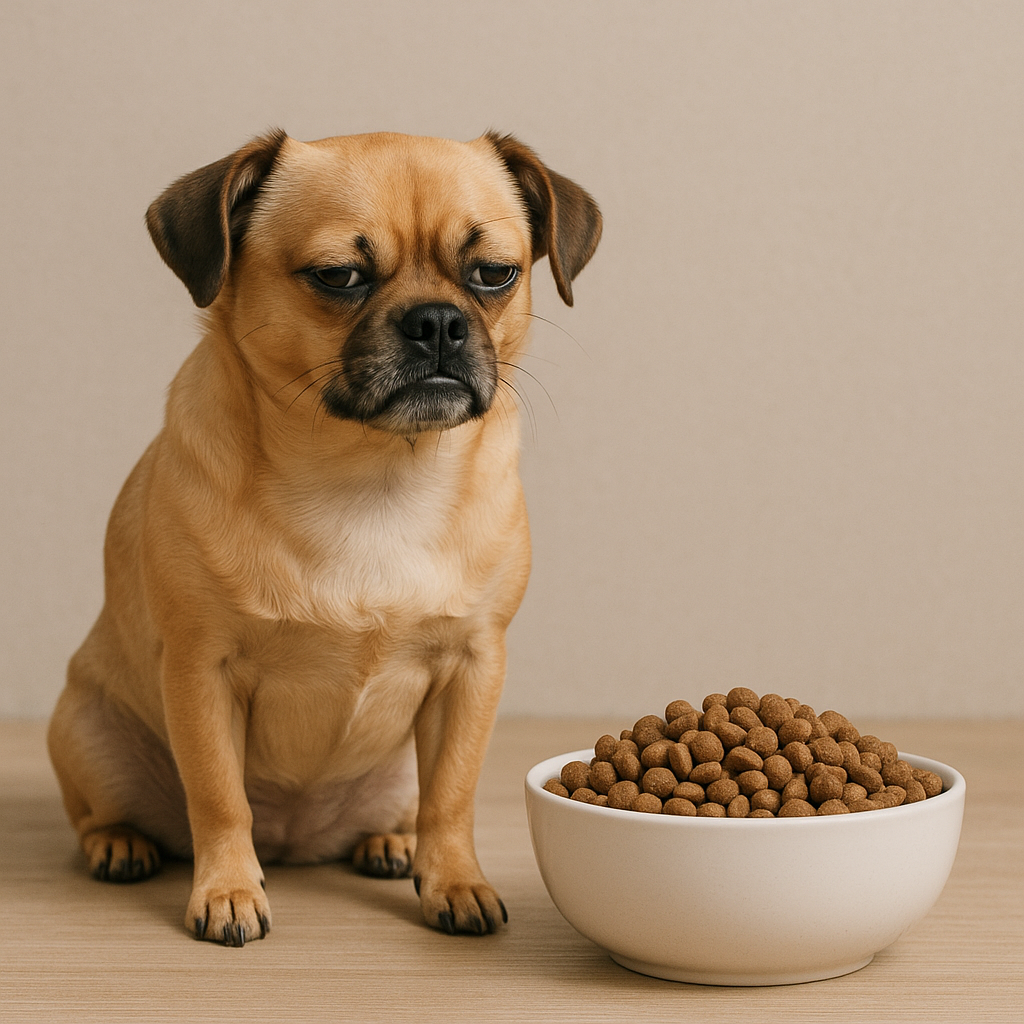
How Can I Help My Dog with Digestive Problems and Stomach Issues?
How Can I Help My Dog with Digestive Problems and Stomach Issues?
Dog digestive problems affect countless pets worldwide, causing distress for both dogs and their concerned owners who watch their beloved companions struggle with uncomfortable symptoms like diarrhea, constipation, excessive gas, and occasional vomiting. These digestive issues can range from mild, occasional stomach upset to chronic conditions that significantly impact a dog’s quality of life, energy levels, and overall health. Understanding that dog digestive problems often stem from dietary factors gives pet owners powerful tools to address these issues through proper nutrition and ingredient selection.
Many pet owners don’t realize that dog digestive problems can be largely prevented and managed through careful attention to food quality, ingredient selection, and feeding practices. The canine digestive system is remarkably sensitive to changes in diet, artificial additives, and low-quality ingredients that can disrupt the delicate balance of gut bacteria and intestinal function. When dogs experience chronic digestive problems, their bodies struggle to absorb essential nutrients properly, leading to secondary health issues that compound the original problem and create a cycle of poor digestive health.
Common Causes of Dog Digestive Problems
Dog digestive problems typically arise from several interconnected factors, with poor-quality commercial dog foods being one of the primary culprits. Many mass-produced dog foods contain artificial preservatives, colors, and flavors that can irritate sensitive digestive systems and trigger inflammatory responses in the gastrointestinal tract. Low-quality protein sources, excessive fillers like corn and wheat, and chemical preservatives create an environment where beneficial gut bacteria struggle to thrive, leading to chronic digestive problems that manifest as loose stools, gas, and stomach discomfort.
Food allergies and sensitivities represent another significant cause of dog digestive problems, as immune reactions to specific ingredients can cause inflammation throughout the digestive tract. Rapid diet changes, stress, bacterial overgrowth, and underlying medical conditions also contribute to digestive issues in dogs. According to veterinary gastroenterologists at the American College of Veterinary Internal Medicine, inflammatory bowel disease affects up to 1% of all dogs and often presents as chronic digestive problems that require specialized dietary management.
The Role of Easily Digestible Ingredients in Managing Dog Digestive Problems
Easily digestible ingredients form the cornerstone of effective management for dog digestive problems, with chicken and rice being two of the most gentle and well-tolerated options for sensitive stomachs. Chicken provides high-quality, complete protein that’s easily broken down and absorbed by the digestive system, while white rice offers readily available carbohydrates that provide energy without causing digestive stress. These ingredients have been used by veterinarians for decades as the foundation of bland diets prescribed for dogs recovering from digestive problems.
The gentle nature of chicken and rice makes them ideal for dogs experiencing acute digestive problems, as these ingredients are less likely to trigger inflammatory responses or exacerbate existing gastrointestinal irritation. Unlike complex proteins or exotic ingredients that may be difficult for compromised digestive systems to process, chicken and rice provide essential nutrition in forms that even the most sensitive stomachs can typically handle. This combination allows the digestive tract to rest and heal while still providing the nutrients necessary for maintaining health and energy levels.
Prebiotics and Fiber: Essential Components for Digestive Health
Prebiotics play a crucial role in resolving dog digestive problems by feeding beneficial bacteria in the gut microbiome, promoting a healthy balance of intestinal flora that supports optimal digestion. These specialized plant fibers resist digestion in the small intestine and reach the colon where they selectively nourish beneficial bacteria like Lactobacillus and Bifidobacterium. Green peas, naturally rich in prebiotic compounds, provide an excellent source of these beneficial fibers while also contributing additional protein and essential nutrients to support overall digestive health.
Proper fiber intake helps regulate bowel movements, addressing both constipation and diarrhea by promoting healthy stool formation and regular elimination patterns. Soluble fiber absorbs excess water in cases of loose stools, while insoluble fiber adds bulk and promotes regular bowel movements in dogs experiencing constipation. The combination of prebiotics and fiber creates an environment where beneficial bacteria can flourish, leading to improved digestion, reduced gas production, and more consistent, healthy stools.
How Artificial Additives Worsen Dog Digestive Problems
Artificial preservatives, colors, and flavors commonly found in commercial dog foods can significantly exacerbate dog digestive problems by disrupting normal gut function and triggering inflammatory responses. Chemical preservatives like BHA, BHT, and ethoxyquin have been linked to digestive irritation and may contribute to the development of chronic gastrointestinal issues in sensitive dogs. These synthetic compounds can alter the gut microbiome, reducing populations of beneficial bacteria while allowing potentially harmful microorganisms to proliferate.
Low-quality fillers such as corn gluten meal, wheat middlings, and soy products are particularly problematic for dogs with digestive problems because they’re difficult to digest and can cause allergic reactions or food sensitivities. These ingredients provide little nutritional value while adding bulk to pet food, but they often trigger digestive upset, gas production, and inconsistent stool quality in dogs with sensitive stomachs.
Gourmet Pet Chef’s Solutions for Dog Digestive Problems
At Gourmet Pet Chef, we understand that dogs with digestive problems require gentle, easily digestible nutrition free from the artificial additives and low-quality fillers that commonly trigger gastrointestinal issues. Our chicken kibble features high-quality chicken as the primary protein source, combined with easily digestible brown rice and prebiotics from natural sources to support healthy digestion and resolve digestive problems naturally.
Our enhanced formulation for digestive health includes additional chicken protein to ensure adequate nutrition while maintaining digestibility, plus increased prebiotic content from green peas to support beneficial gut bacteria. Our Chef Prepared fresh food with chicken, basmati rice, and vegetables provides the ultimate gentle nutrition for dogs experiencing digestive problems, prepared fresh without any artificial preservatives or additives that could irritate sensitive stomachs.
Specialized Nutrition for Chronic Dog Digestive Problems
For dogs with persistent or severe digestive problems, our customizable food options allow pet owners to work with our nutrition experts to develop meal plans specifically tailored to their dog’s digestive sensitivities. These customized formulations can eliminate specific trigger ingredients while incorporating therapeutic levels of prebiotics, probiotics, and easily digestible proteins to address individual digestive challenges.
When veterinarians recommend specific dietary protocols for managing chronic digestive problems, our prescription food services can accommodate these requirements while maintaining the fresh, natural approach that makes Gourmet Pet Chef superior to conventional therapeutic diets. For dogs who may have developed sensitivities to chicken, our alternative protein options provide the same gentle, digestive-friendly benefits using different protein sources that may be better tolerated by dogs with specific food sensitivities.
Supporting Recovery from Dog Digestive Problems
Successfully managing dog digestive problems requires consistent feeding schedules, appropriate portion sizes, and gradual transitions between foods to avoid shocking sensitive digestive systems. Feeding smaller, more frequent meals can help dogs with digestive problems by reducing the workload on their gastrointestinal tract while ensuring steady nutrient absorption throughout the day. Maintaining consistent meal times helps regulate digestive processes and can reduce anxiety-related digestive issues that some dogs experience.

The path to resolving dog digestive problems lies in understanding that nutrition plays the primary role in gastrointestinal health, and choosing high-quality, easily digestible ingredients while avoiding artificial additives and low-quality fillers. With Gourmet Pet Chef’s gentle formulations designed specifically for sensitive stomachs, dogs experiencing digestive problems can return to comfortable, healthy digestion while enjoying delicious, nutritious meals that support their overall well-being and vitality.
How Can I Help My Dog with Digestive Problems and Stomach Issues? Read More »