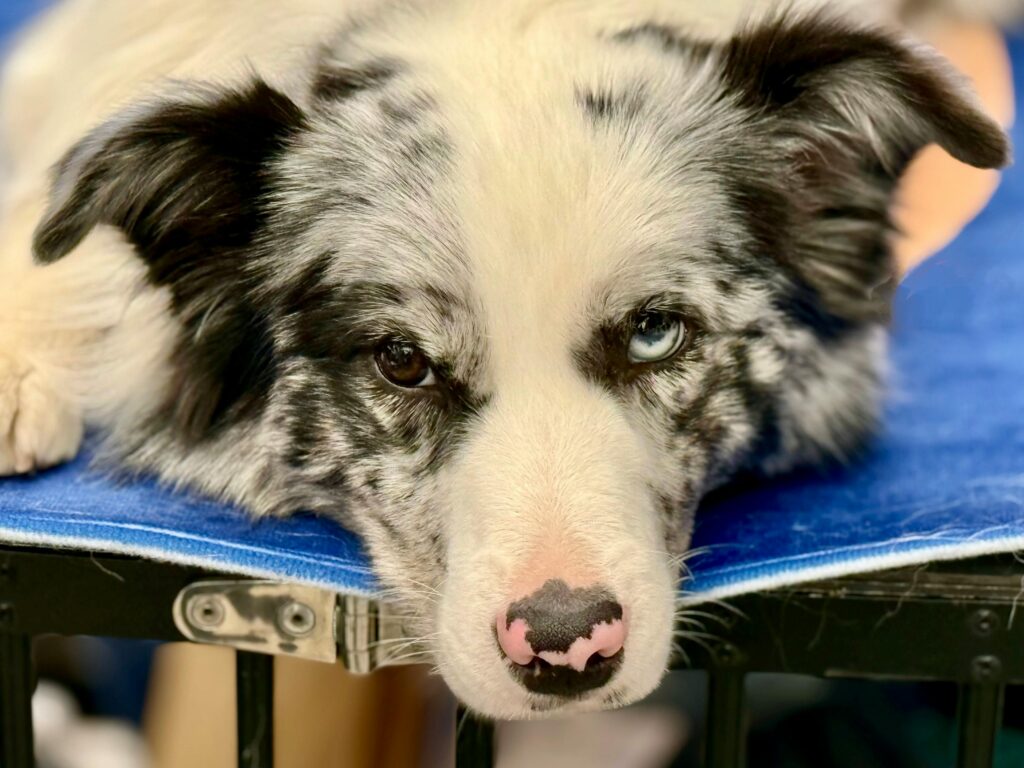
Some dogs—especially those with pink noses, light-colored coats, or naturally fair skin—are more prone to sun sensitivity. Prolonged sun exposure may lead to redness, irritation, or discomfort, particularly on areas with sparse fur such as the nose, ears, belly, and inner thighs. While sun sensitivity is often managed with environmental precautions, nutrition can play a supportive role in maintaining normal skin function.
Diet alone cannot prevent sunburn or replace shade, sunscreen, or veterinary guidance. However, well-balanced foods that include specific nutrients may help support skin resilience and overall wellness in dogs that are sensitive to sunlight. If your dog shows ongoing skin irritation or discomfort, a veterinarian should always be consulted. We also encourage pet parents to contact Gourmet Pet Chef if they are interested in discussing dietary options tailored to their dog’s unique needs.
How Nutrition Can Support Dogs With Sun Sensitivity
Sun sensitivity in dogs is often associated with delicate skin that benefits from consistent, balanced nutrition. Ingredients such as omega-3 fatty acids and vitamin E are commonly included in dog foods to help maintain normal skin and coat health. These nutrients support the skin’s natural barrier function but are not intended to act as sun protection or medical treatment.
Certain antioxidants—such as lycopene (naturally occurring in tomatoes) and astaxanthin—are sometimes included in canine diets to support general cellular health. Hydrating, gently prepared foods may also contribute to overall comfort during warmer months by supporting normal hydration when used as part of a complete and balanced feeding routine.
Sun Sensitivity and Ingredient Transparency
When managing sun sensitivity, ingredient transparency allows pet parents to understand exactly what their dog is eating. Our Chicken Kibble is formulated with clearly defined ingredients and a guaranteed analysis that includes:
Crude Protein: Not Less Than 28%
Crude Fat: Not Less Than 15%
Vitamin E: Not Less Than 150 IU
Omega-3 Fatty Acids: Not Less Than 0.6%
Omega-6 Fatty Acids: Not Less Than 2.6%
Our kibble contains whole-food ingredients such as chicken, fish meal, flaxseed, blueberries, turmeric, and green tea extract. These ingredients are selected to meet nutritional requirements and support overall wellness without artificial preservatives, colors, or dyes.
For pet parents who prefer gently prepared meals, our Chef-Prepared Chicken & Rice With Veggies offers a simple ingredient list that includes chicken, basmati rice, green peas, carrots, fish oil, yogurt, nutritional yeast, kelp, and vinegar. This option can be served alone or mixed with kibble as part of a balanced feeding plan.
Custom Options for Dogs With Sun Sensitivity
Because every dog’s skin and lifestyle are different, some dogs may benefit from alternative proteins or customized formulations. We offer alternative protein options for dogs that do not tolerate chicken, as well as customizable food and prescription food developed in coordination with your veterinarian.
Pet parents who are unsure which option is most appropriate are encouraged to speak with their veterinarian and reach out to Gourmet Pet Chef for additional guidance.
Supporting Sun-Sensitive Dogs Year-Round
Managing sun sensitivity in dogs often involves a combination of shade, limited sun exposure, topical protection when recommended by a veterinarian, and consistent nutrition. While diet is not a substitute for sun safety measures, choosing thoughtfully formulated foods with transparent ingredients can help support your dog’s overall skin health and comfort throughout the year.
Bad dog breath, also known as halitosis, is a common concern for pet parents and is often linked to diet, oral hygiene, and gut health. While occasional odor can be normal, persistent bad dog breath may indicate an imbalance in the mouth or digestive system. Food particles, plaque buildup, and certain ingredients can contribute to odor-causing bacteria, especially when oral hygiene support is lacking.
Diet plays a supportive role in managing bad dog breath by helping maintain normal digestive function and oral cleanliness. While food is not a substitute for veterinary dental care, choosing thoughtfully formulated meals can help reduce factors that commonly contribute to unpleasant breath. If your dog’s bad breath is severe or sudden, a veterinarian should always be consulted. We also offer guidance for dogs with specific dietary needs, and pet parents are welcome to contact Gourmet Pet Chef for personalized recommendations.
How Diet Can Support Fresher Breath in Dogs
Bad dog breath is frequently associated with gut health and the buildup of plaque and tartar on teeth. Diets that include probiotics are commonly used to support normal digestive balance, which may help reduce odor-causing byproducts. Parsley is another ingredient traditionally included in dog foods for its natural breath-freshening properties.
Texture also matters. Crunchy kibble can help mechanically reduce plaque accumulation by encouraging chewing. When used as part of a balanced feeding routine, kibble may help support oral cleanliness by gently scraping the teeth during chewing. These dietary strategies are intended to support everyday wellness and do not treat or cure dental disease.
Bad Dog Breath and Ingredient Transparency
When managing bad dog breath, ingredient transparency is key. Our Chicken Kibble is designed to provide balanced nutrition with a crunchy texture that supports chewing. It contains no artificial colors, flavors, or preservatives that may contribute to unwanted bacterial buildup.
The guaranteed analysis for our kibble includes:
Crude Protein: Not Less Than 28%
Crude Fat: Not Less Than 15%
Vitamin E: Not Less Than 150 IU
Omega-3 Fatty Acids: Not Less Than 0.6%
Omega-6 Fatty Acids: Not Less Than 2.6%
Our ingredient list includes functional components such as probiotics, parsley, and whole-food ingredients selected to support overall wellness. For added variety, our Chef-Prepared Chicken & Rice With Veggies can be mixed with kibble to combine soft, fresh food with the dental benefits of crunchy texture.
Custom Options for Dogs With Ongoing Bad Dog Breath
Because every dog is different, some cases of bad dog breath may require dietary adjustments. We offer alternative protein options for dogs with sensitivities, as well as customizable food and prescription food developed in collaboration with your veterinarian.
If you’re unsure which option is best for your dog, we encourage you to consult your veterinarian and contact Gourmet Pet Chef for help exploring appropriate feeding solutions.
Supporting Fresher Breath Long-Term
Managing bad dog breath often involves a combination of consistent feeding, appropriate textures, and regular dental care. While diet alone is not a replacement for brushing or professional cleanings, selecting foods with digestive and oral support in mind can be a helpful part of your dog’s routine.
With balanced nutrition, clear ingredient labeling, and flexible options, Gourmet Pet Chef helps pet parents support their dog’s comfort—right down to fresher, more kissable breath.
Dog anxiety and stress can affect dogs of all ages and breeds, often showing up as excessive barking, destructive behavior, pacing, trembling, or withdrawal. Common triggers include separation anxiety, loud noises such as thunderstorms or fireworks, unfamiliar environments, or changes in routine. While anxiety is behavioral in nature, nutrition can play a supportive role in helping maintain normal nervous system function and overall emotional balance.
Diet is not a replacement for training, enrichment, or veterinary care, but thoughtful nutritional choices may help support dogs who are prone to stress. Ingredients that contribute to normal brain function and nervous system health are often included in balanced dog foods designed with sensitive or anxious dogs in mind. If anxiety symptoms are severe or worsening, a veterinarian or qualified behavior professional should always be consulted.
How Nutrition Can Support Dogs With Anxiety and Stress
When addressing dog anxiety and stress, consistency and nutrient balance are key. Certain nutrients are commonly included in dog foods to support normal neurological function:
Turkey-based proteins, which naturally contain L-tryptophan, an amino acid involved in normal serotonin production
Omega-3 fatty acids from fish oil, which support overall brain and nervous system health
Magnesium, an essential mineral involved in normal nerve signaling
These nutrients are included to support general wellness and calm behavior, not to sedate dogs or treat anxiety disorders.
Our Chicken Kibble includes omega-3 fatty acids (not less than 0.6%) and vitamin E (not less than 150 IU), supporting overall neurological and cellular health as part of a complete and balanced diet. The formulation also includes fish oil–derived ingredients and clearly defined components, allowing pet parents to make informed feeding decisions.
Calming Ingredients and Gently Prepared Options
For pet parents seeking a gently prepared option, our Chef-Prepared Chicken & Rice With Veggies offers a simple, transparent ingredient list that includes chicken, basmati rice, green peas, carrots, fish oil, yogurt, nutritional yeast, kelp, and vinegar. This formulation supports everyday nutrition and may be suitable for dogs who do better on minimally processed foods.
Some calming botanicals, such as chamomile and valerian root, are commonly used in calming treats or supplements rather than complete meals. These ingredients are generally included to support relaxation and should always be used according to veterinary guidance, especially for dogs already on medications.
Custom Diet Options for Dogs With Anxiety and Stress
Because every dog responds differently to stress, some dogs may benefit from tailored nutrition. We offer customizable food options for dogs with specific dietary needs, as well as prescription food developed in coordination with your veterinarian.
If poultry is not suitable for your dog, we also provide alternative protein options that allow pet parents to explore different formulations while maintaining nutritional balance.
Pet parents with questions about diet, anxiety, or ingredient selection are encouraged to contact Gourmet Pet Chef for guidance tailored to their dog’s individual needs.
Supporting Calm, Confident Dogs Over Time
Managing dog anxiety and stress often involves a combination of consistent routines, enrichment, training, environmental management, and appropriate nutrition. While food alone cannot resolve behavioral anxiety, choosing a well-formulated diet with supportive nutrients can be one part of a broader wellness approach.
Gradual food transitions, predictable feeding schedules, and close observation of behavior changes can help pet parents better understand what works best for their dog. For ongoing concerns, professional guidance is always recommended.
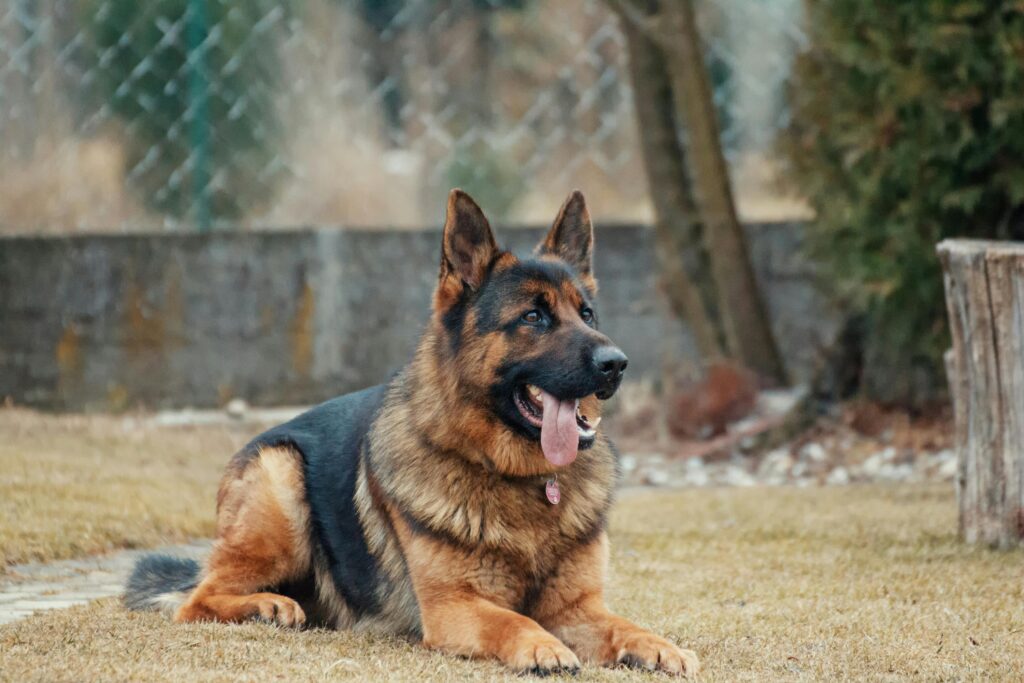
Dog EPI, or Exocrine Pancreatic Insufficiency, represents a serious digestive disorder where the pancreas fails to produce adequate digestive enzymes necessary for breaking down and absorbing nutrients from food. When dogs develop EPI, they literally starve despite eating normally or even excessively, as their bodies cannot properly digest proteins, fats, and carbohydrates without sufficient pancreatic enzymes. This condition primarily affects certain breeds like German Shepherds, Rough Collies, and other herding breeds due to genetic predisposition, though any dog can develop EPI secondary to chronic pancreatitis or other pancreatic diseases.
Understanding dog EPI is crucial for early diagnosis and effective management, as untreated cases lead to severe malnutrition, progressive weight loss, and potentially life-threatening complications. Dogs with EPI display characteristic symptoms including chronic diarrhea with pale, greasy, voluminous stools, ravenous appetite despite weight loss, poor coat condition, flatulence, and sometimes coprophagia (eating feces) as they instinctively seek nutrients their bodies cannot absorb. While dog EPI requires lifelong management, proper treatment combining enzyme replacement therapy with appropriate nutrition allows most affected dogs to thrive and maintain normal body condition and quality of life.
Understanding Dog EPI and Its Impact on Digestion
Dog EPI occurs when the pancreatic acinar cells responsible for producing digestive enzymes become destroyed or atrophied, resulting in insufficient production of lipase (for fat digestion), protease (for protein digestion), and amylase (for carbohydrate digestion). Without these critical enzymes, food passes through the digestive system largely undigested, leading to malabsorption of nutrients and the characteristic symptoms of dog EPI. According to veterinary gastroenterology research from Washington State University’s College of Veterinary Medicine, German Shepherds face particularly high risk with hereditary forms of EPI typically manifesting between one and five years of age.
The diagnosis of dog EPI requires specific testing, most commonly the serum Trypsin-Like Immunoreactivity (TLI) test, which measures the pancreas’s ability to produce trypsinogen, a precursor to the digestive enzyme trypsin. Dogs with EPI show dramatically low TLI levels, confirming insufficient enzyme production. Early diagnosis is critical, as prolonged malnutrition from untreated dog EPI can cause secondary complications including small intestinal bacterial overgrowth (SIBO), vitamin deficiencies particularly B12 and fat-soluble vitamins, and severe muscle wasting that becomes increasingly difficult to reverse.
Enzyme Replacement Therapy: The Foundation of Dog EPI Treatment
The cornerstone of dog EPI management is pancreatic enzyme replacement therapy, where commercial pancreatic enzyme supplements are added to every meal to provide the digestive enzymes the dog’s pancreas cannot produce. These enzyme supplements, derived from porcine pancreas, must be mixed thoroughly with food and allowed to incubate for 15-20 minutes before feeding to maximize effectiveness. Without consistent enzyme supplementation, dogs with EPI cannot properly digest their food regardless of diet quality, making enzyme replacement absolutely essential rather than optional for managing this condition.
While enzyme replacement is non-negotiable for dog EPI management, the choice of diet significantly impacts how well affected dogs respond to treatment and maintain body condition. Some dogs with EPI achieve excellent results on various diets when enzyme doses are optimized, while others show marked improvement when diet composition and digestibility are specifically considered alongside enzyme therapy.
Nutritional Considerations for Dog EPI Management
Dogs with EPI benefit from highly digestible diets that minimize stress on the compromised digestive system while providing adequate nutrition to restore and maintain body condition. Highly digestible proteins from quality meat sources place less burden on the digestive system compared to plant-based proteins or low-quality meat by-products. The digestibility of protein sources varies significantly—whole muscle meats, chicken meal, and fish meal generally offer higher digestibility than many grain-based proteins or heavily processed protein sources.
Fat digestibility also matters critically for dogs with EPI, as fat malabsorption is often the most problematic aspect of this condition. Some veterinary gastroenterologists recommend moderate fat diets for dog EPI patients to reduce digestive stress, while others find that dogs receiving adequate enzyme supplementation can handle higher fat levels without difficulty. Individual dogs vary in their fat tolerance, and working with your veterinarian to identify optimal fat levels for your specific dog’s needs ensures the best outcomes.
The Role of Probiotics and Digestive Support in Dog EPI
Dogs with EPI frequently develop small intestinal bacterial overgrowth (SIBO) as a secondary complication, occurring when undigested nutrients in the intestine create favorable conditions for bacterial proliferation. Probiotics may help support healthy gut flora balance in dogs managing EPI, though research on specific strains and dosages for dog EPI remains limited. Our chicken kibble includes multiple probiotic strains through dried fermentation products including Lactobacillus acidophilus, Lactobacillus casei, Enterococcus faecium, Bacillus subtilis, and others that support digestive health.
The inclusion of prebiotics and digestive enzymes from natural sources also supports gut health in dogs with compromised digestion. While naturally occurring plant-based enzymes cannot replace pancreatic enzyme supplementation for dog EPI, they may provide additional digestive support. Our formulations include fermentation products from Aspergillus oryzae and Aspergillus niger, which contribute enzymes and support nutrient breakdown.
Gourmet Pet Chef’s Digestive-Friendly Approach for Dog EPI
At Gourmet Pet Chef, our formulations prioritize highly digestible, quality ingredients that support dogs with sensitive digestive systems including those managing EPI. Our chicken kibble features multiple sources of highly digestible animal proteins including deboned chicken, chicken meal, and menhaden fish meal, providing a guaranteed crude protein content of not less than 28% from quality sources that are easier for compromised digestive systems to process than plant-based alternatives.
We specifically exclude ingredients that may worsen digestive symptoms in sensitive dogs—no corn, no soy, no wheat, no artificial preservatives or additives. For dogs with EPI, avoiding these common fillers and hard-to-digest ingredients reduces digestive stress and may improve response to enzyme therapy. Our Chef Prepared fresh food offers an alternative with simple, whole food ingredients including chicken, basmati rice, and vegetables that provide gentle, easily digestible nutrition for dogs requiring simplified ingredient profiles.
Customized Nutrition for Dogs with EPI
Managing dog EPI often requires individualized approaches, as affected dogs vary considerably in their fat tolerance, optimal enzyme dosages, presence of secondary complications like SIBO, and specific dietary sensitivities. While many dogs with EPI do well on our standard formulations when combined with appropriate enzyme supplementation, some benefit from customized nutrition plans tailored to their specific needs. Contact Gourmet Pet Chef to discuss custom formulations designed specifically for your dog’s EPI management requirements.
Our customizable food options allow for modifications in fat content, protein sources, carbohydrate types, and other factors that may optimize outcomes for individual dogs managing EPI. If your veterinarian has recommended specific dietary parameters for your dog’s EPI management, our prescription food services can work within these guidelines while maintaining our commitment to quality, digestible ingredients. Dogs who develop sensitivities to chicken during EPI management can explore our alternative protein options to identify the most appropriate and digestible protein source for their individual situation.
Long-Term Management and Monitoring of Dog EPI
Successfully managing dog EPI requires ongoing collaboration with your veterinarian to optimize enzyme dosages, monitor for secondary complications, and adjust nutrition as needed based on body condition and digestive symptoms. Most dogs with EPI require regular monitoring of cobalamin (vitamin B12) levels, as malabsorption commonly leads to deficiency requiring supplementation. Some dogs also need fat-soluble vitamin supplementation depending on their dietary fat intake and absorption capacity.
The prognosis for dogs with EPI is generally excellent when proper enzyme replacement and appropriate nutrition are provided consistently. While the condition requires lifelong management, most affected dogs can achieve and maintain normal body weight, enjoy good quality of life, and live normal lifespans. Regular communication with your veterinary team ensures prompt identification and resolution of any management challenges. If you’re struggling to find the right dietary approach for your dog’s EPI management, contact Gourmet Pet Chef to explore nutritional strategies that may better support your dog’s specific needs. With dedication to consistent enzyme supplementation, thoughtful nutritional choices using highly digestible ingredients like those in Gourmet Pet Chef formulations, and ongoing veterinary monitoring, dogs with EPI can thrive despite their pancreatic insufficiency.
Dog autoimmune disorders represent complex medical conditions where the immune system mistakenly attacks the body’s own cells and tissues, causing chronic inflammation, tissue damage, and a wide range of debilitating symptoms that significantly impact quality of life. When dogs develop autoimmune disorders, their overactive immune systems target various organs and systems—including skin, joints, blood cells, glands, or multiple body systems simultaneously—requiring lifelong medical management and careful attention to factors that may trigger flare-ups or worsen symptoms. Understanding how nutrition can support dogs with autoimmune disorders provides pet owners with valuable tools to complement veterinary treatment and potentially improve their dog’s comfort and disease management.
Dog autoimmune disorders encompass numerous specific conditions, from immune-mediated hemolytic anemia (IMHA) and immune-mediated thrombocytopenia (ITP) affecting blood cells, to lupus, pemphigus, and other conditions affecting skin, to inflammatory bowel disease and rheumatoid arthritis affecting digestive and joint systems respectively. While genetics, environmental triggers, and unknown factors contribute to autoimmune disease development, emerging research explores how diet, gut health, and inflammatory status may influence autoimmune disease progression and symptom severity in dogs. Pet owners seeking to support their dogs with autoimmune disorders through nutrition should work closely with veterinary specialists while making informed dietary choices that promote overall health without interfering with prescribed medical treatments.
Understanding Dog Autoimmune Disorders and Inflammation
Dog autoimmune disorders develop when the immune system loses its ability to distinguish between foreign invaders and the body’s own tissues, leading to chronic inflammation and progressive tissue damage. The underlying mechanisms behind autoimmune disease development remain incompletely understood, though genetic predisposition, environmental triggers, previous infections, and immune system dysregulation all appear to play roles. According to veterinary immunology research from the Cornell University College of Veterinary Medicine, chronic inflammation represents both a symptom and driving force in autoimmune conditions, creating cycles where immune activation promotes tissue damage, which then triggers further immune responses.
Common dog autoimmune disorders include immune-mediated hemolytic anemia (where red blood cells are destroyed), immune-mediated thrombocytopenia (where platelets are destroyed), systemic lupus erythematosus (affecting multiple organ systems), pemphigus complex (affecting skin), inflammatory bowel disease (affecting the digestive tract), and immune-mediated polyarthritis (affecting joints). Each condition presents unique challenges and requires specific medical management, though nutritional support strategies often share common themes of reducing inflammation, supporting immune regulation, and avoiding potential dietary triggers that might exacerbate symptoms.
Anti-Inflammatory Nutrition for Dog Autoimmune Disorders
Managing inflammation through nutrition represents one of the most important dietary strategies for supporting dogs with autoimmune disorders. Chronic inflammation not only causes discomfort and tissue damage but also perpetuates the autoimmune response, making inflammation control critical for disease management. Omega-3 fatty acids, particularly EPA and DHA from marine sources, provide powerful anti-inflammatory effects by modulating inflammatory pathways and promoting production of specialized pro-resolving mediators that actively resolve inflammation rather than simply suppressing it.
Research in veterinary medicine demonstrates that omega-3 supplementation can benefit dogs with various inflammatory and autoimmune conditions, though optimal dosing varies based on the specific condition, disease severity, and individual dog factors. Turmeric, containing the active compound curcumin, has been extensively studied for its anti-inflammatory and immune-modulating properties. Curcumin appears to work through multiple mechanisms, including inhibiting inflammatory enzymes and reducing production of pro-inflammatory molecules, though bioavailability challenges mean that curcumin’s effects may be enhanced when consumed with black pepper (which contains piperine) or with fats that improve absorption.
The Gut Health Connection to Dog Autoimmune Disorders
Emerging research in both human and veterinary medicine increasingly recognizes the critical role of gut health in immune system regulation, with the gut-associated lymphoid tissue (GALT) representing the largest immune organ in the body. For dogs with autoimmune disorders, supporting optimal gut health through probiotics and appropriate nutrition may help promote more balanced immune responses. Probiotics—beneficial bacteria that support digestive health—may influence immune function by interacting with immune cells in the gut lining, potentially promoting regulatory immune responses that help prevent excessive immune activation.
The specific probiotic strains that may benefit dogs with autoimmune disorders remain an active area of research, with different bacterial species potentially offering different immune-modulating effects. Prebiotics—dietary fibers that feed beneficial gut bacteria—work synergistically with probiotics to support a healthy gut microbiome. For dogs with inflammatory bowel disease or other digestive autoimmune conditions, gut health becomes even more critical, as damaged intestinal barriers may allow bacterial products or food antigens to trigger inappropriate immune responses that worsen autoimmune activity.
Avoiding Dietary Triggers in Dog Autoimmune Disorders
For dogs with autoimmune disorders, identifying and eliminating potential dietary triggers that might provoke immune responses or worsen inflammation becomes an important management strategy. Artificial additives including synthetic preservatives, colors, and flavors provide no nutritional benefit and may contribute to systemic inflammation in sensitive individuals, potentially triggering autoimmune flare-ups in susceptible dogs. Some research suggests that certain artificial additives may act as adjuvants—substances that inappropriately stimulate immune responses—though definitive links to autoimmune disease exacerbation in dogs require further investigation.
Common food allergens including corn, wheat, soy, and certain proteins may trigger immune responses in sensitive dogs, potentially worsening autoimmune conditions or complicating disease management. While food allergies and autoimmune disorders represent distinct immunological processes, they can coexist and interact in ways that complicate both diagnosis and management. A clean diet based on whole food ingredients, high-quality proteins, and minimal unnecessary additives reduces exposure to potential immune triggers while providing comprehensive nutrition to support overall health in dogs managing autoimmune disorders.
Gourmet Pet Chef’s Nutritional Support for Dog Autoimmune Disorders
At Gourmet Pet Chef, our formulations emphasize ingredients that naturally support balanced immune function and reduced inflammation, making them appropriate choices for dogs managing autoimmune disorders alongside veterinary medical treatment. Our chicken kibble includes omega-3 fatty acids (not less than 0.6% guaranteed) from fish meal and flaxseed, providing anti-inflammatory support that may benefit dogs with autoimmune conditions. The inclusion of organic turmeric delivers natural curcumin along with organic black pepper (which enhances curcumin absorption), while maintaining a balanced omega-6 to omega-3 ratio (omega-6 not less than 2.6%) for optimal inflammatory response regulation.
Our formulations contain multiple probiotic strains including Lactobacillus acidophilus, Lactobacillus casei, Enterococcus faecium, Bacillus subtilis, Bacillus licheniformis, and Bacillus coagulans fermentation products, supporting gut health and potentially promoting more balanced immune responses. We completely exclude corn, soy, wheat, artificial preservatives, artificial colors, and artificial flavors—eliminating potential immune triggers while providing concentrated nutrition from whole food sources. With high-quality protein (not less than 28% crude protein) from multiple digestible meat sources, our food supports overall health and body condition maintenance, which becomes particularly important for dogs managing chronic autoimmune conditions.
Customized Nutritional Approaches for Complex Autoimmune Cases
Dog autoimmune disorders vary tremendously in their specific manifestations, affected organ systems, disease severity, and individual triggers, making personalized nutritional approaches particularly valuable for optimal management. Some dogs with autoimmune disorders may require specific protein sources to avoid allergic triggers, while others may benefit from adjusted fat levels, increased calorie density to combat weight loss, or specific nutrient modifications based on organ function and prescribed medications. Our Chef Prepared fresh food offers a whole food alternative with simple ingredients including chicken, fish oil (providing omega-3s), and vegetables, suitable for dogs requiring different formats or ingredient profiles.
For dogs with complex autoimmune disorders requiring specialized dietary interventions, our customizable food options allow for precise modifications tailored to individual needs. If your dog has been diagnosed with an autoimmune disorder and requires specific nutritional support, contact Gourmet Pet Chef to discuss custom formulations designed for your dog’s specific health needs and medical requirements. Our nutrition experts can collaborate with your veterinary specialist to develop meal plans that support your dog’s autoimmune management protocol while maintaining the quality and integrity of our ingredients. When veterinarians prescribe specific therapeutic diets for autoimmune disorder management, our prescription food services can help implement these recommendations. Dogs requiring alternative protein sources due to sensitivities can explore our alternative protein options to find the most appropriate choice for their individual situation.
Medical Management Remains Primary for Dog Autoimmune Disorders
Nutrition serves as a supportive component of comprehensive autoimmune disorder management but cannot replace medical treatment prescribed by veterinary specialists. Dog autoimmune disorders typically require immunosuppressive medications like corticosteroids, azathioprine, cyclosporine, or other drugs that modulate immune system activity to prevent ongoing tissue damage and control symptoms. Dietary interventions work alongside these medications—not as replacements—to promote overall health, reduce inflammation, and potentially minimize flare-ups.
Regular veterinary monitoring remains essential for dogs with autoimmune disorders, as disease activity can fluctuate and medication adjustments may be necessary based on clinical signs and laboratory values. Some medications used to manage autoimmune disorders may have nutritional implications—for example, long-term corticosteroid use can increase appetite and affect protein metabolism—making nutritional management even more important for maintaining optimal body condition and overall health. If your dog struggles with autoimmune disorder management or you have questions about how nutrition might support their specific condition, contact Gourmet Pet Chef to explore nutritional strategies that complement your veterinary treatment plan. Through collaborative care combining appropriate medical management, targeted nutritional support, and close monitoring, many dogs with autoimmune disorders can maintain good quality of life and comfortable disease control for extended periods.
Dog liver disease encompasses a range of conditions affecting one of the body’s most vital organs, responsible for filtering toxins, producing proteins, aiding digestion, and performing hundreds of other essential metabolic functions. When dogs develop liver disease, whether from acute toxin exposure, chronic conditions, infections, or genetic predispositions, their nutritional needs change significantly as the compromised liver struggles to process nutrients and eliminate waste products effectively. Understanding how nutrition supports dogs with liver disease helps pet owners work alongside their veterinarians to provide optimal care during this challenging health crisis.
Dog liver disease manifests in various forms including hepatitis (liver inflammation), cirrhosis (scarring), portosystemic shunts (abnormal blood flow), copper storage disease, and acute liver failure from toxin ingestion. Symptoms of dog liver disease often develop gradually and may include decreased appetite, weight loss, vomiting, diarrhea, increased thirst and urination, yellowing of eyes or gums (jaundice), abdominal swelling from fluid accumulation, and behavioral changes including lethargy or confusion. Early detection through regular veterinary examinations and blood work provides the best opportunity for management and potential recovery, making proper nutrition a critical component of comprehensive liver disease treatment protocols.
Understanding Nutritional Needs in Dog Liver Disease
Dog liver disease fundamentally alters how the body processes nutrients, creating unique dietary requirements that differ significantly from healthy dog nutrition. The damaged liver may struggle to metabolize certain proteins, particularly those producing high levels of ammonia during digestion, which can accumulate and cause neurological symptoms called hepatic encephalopathy. However, adequate protein remains essential for liver regeneration and preventing muscle wasting, creating a delicate balance that requires careful management under veterinary guidance.
According to research published by veterinary hepatology specialists and the American College of Veterinary Internal Medicine, dogs with liver disease benefit from moderate amounts of high-quality, highly digestible proteins rather than severe protein restriction which was previously recommended. Chicken, eggs, and dairy proteins are generally well-tolerated as they produce less ammonia during metabolism compared to red meats. The key lies in providing sufficient protein to support liver repair while avoiding excessive amounts that could overwhelm the compromised organ’s processing capacity.
The Role of Milk Thistle in Dog Liver Disease Support
Milk thistle (Silybum marianum), containing the active compound silymarin, represents one of the most studied herbal supplements for liver support in both human and veterinary medicine. Silymarin demonstrates antioxidant, anti-inflammatory, and hepatoprotective properties in laboratory and clinical studies, potentially supporting liver cell regeneration and protecting against further damage. While research specifically in dogs with liver disease shows promising results, milk thistle should be considered a supportive supplement rather than a primary treatment, and should always be used under veterinary supervision as part of a comprehensive management plan.
The antioxidant properties of milk thistle may help neutralize free radicals produced during liver inflammation and damage, potentially reducing oxidative stress that contributes to disease progression. Some veterinary hepatologists incorporate milk thistle into treatment protocols for dogs with various forms of liver disease, though dosing, product quality, and appropriate timing relative to other medications require professional guidance. Pet owners should never rely solely on supplements for managing dog liver disease, as this serious condition demands proper veterinary diagnosis, monitoring, and often prescription medications.
Antioxidants and Liver-Supportive Nutrients for Dog Liver Disease
Beyond milk thistle, various antioxidants and nutrients may support liver function and recovery in dogs with liver disease. Vitamin E, vitamin C, and selenium act as antioxidants that help protect liver cells from oxidative damage. B-complex vitamins support numerous metabolic processes and may become depleted in dogs with liver disease, particularly those with reduced appetite or vomiting. Zinc supplementation may benefit some dogs with liver disease, though dosing must be carefully managed to avoid interference with copper metabolism.
S-adenosylmethionine (SAMe) represents another compound studied for liver support in dogs, demonstrating potential benefits for increasing glutathione levels—an important antioxidant produced by the liver. However, all supplementation for dog liver disease should occur under veterinary guidance, as liver disease affects how the body processes and eliminates nutrients and medications, potentially leading to accumulations or deficiencies that require professional monitoring through regular blood work.
Managing Copper and Other Minerals in Dog Liver Disease
Certain forms of dog liver disease, particularly chronic hepatitis and copper storage disease, require careful management of dietary copper content. Copper accumulates in damaged livers and can contribute to further inflammation and scarring, making copper restriction an important dietary consideration for affected dogs. Some breeds, including Bedlington Terriers, West Highland White Terriers, and Doberman Pinschers, show genetic predispositions to copper storage problems, though any dog with chronic liver disease may benefit from moderate copper restriction.
However, copper isn’t the only mineral requiring attention in dog liver disease management. Sodium restriction may benefit dogs with ascites (fluid accumulation), though excessive restriction can cause problems. Phosphorus, calcium, and other minerals require balancing based on individual disease type and stage. These complex requirements make working with a veterinary nutritionist or following veterinarian-prescribed diets essential for dogs with liver disease, as improper mineral balance can worsen outcomes or create additional health complications.
Gourmet Pet Chef’s Approach to Liver-Supportive Nutrition
At Gourmet Pet Chef, our formulations emphasize high-quality, digestible proteins that are generally well-tolerated by dogs with various health challenges. Our chicken kibble features chicken as a primary protein source—one of the more liver-friendly proteins due to its digestibility and amino acid profile. With a protein content of not less than 28%, our food provides substantial nutrition, though dogs with advanced liver disease may require modified protein levels based on their veterinarian’s recommendations.
Our Chef Prepared fresh food contains chicken, rice, and vegetables along with egg shell powder and other whole food ingredients, offering highly digestible nutrition in a fresh format. The simple ingredient list and absence of artificial additives, preservatives, and common fillers makes this option particularly suitable for dogs with sensitive digestive systems or those requiring gentle nutrition during health challenges.
Customized Nutrition for Dogs with Liver Disease
Dog liver disease varies tremendously in type, severity, and specific nutritional requirements, making individualized dietary approaches essential for optimal management. While our standard formulations provide excellent foundational nutrition with high-quality ingredients, dogs diagnosed with liver disease often require specific modifications to protein levels, mineral content, or nutrient ratios based on their blood work results and disease stage. For these complex cases, our customizable food options allow for precise adjustments tailored to your dog’s specific liver disease management needs.
If your dog has been diagnosed with liver disease and requires specialized nutrition, contact Gourmet Pet Chef to discuss custom formulations that align with your veterinarian’s recommendations. Our nutrition experts can work with you and your veterinary team to develop meal plans that provide appropriate protein quality and quantity, manage mineral content, and incorporate supportive nutrients while maintaining the high ingredient quality that defines our brand. For dogs requiring veterinary-prescribed therapeutic diets for liver disease, our prescription food services can help implement these recommendations using our premium ingredients and careful preparation methods.
Dogs with protein sensitivities or those requiring alternative protein sources as part of their liver disease management can explore our alternative protein options to identify the most appropriate choices for their individual situation. If your dog’s liver disease management plan includes specific dietary restrictions or requirements, contact us to ensure we can meet those needs while providing the nutrition your dog deserves during this challenging time.
Working with Your Veterinarian on Dog Liver Disease Management
Dog liver disease demands close veterinary supervision, regular blood work monitoring, and often prescription medications that cannot be replaced by nutrition alone. Dietary management serves as a crucial component of comprehensive care but should never substitute for proper veterinary diagnosis and treatment. Some forms of liver disease can be reversed or significantly improved with appropriate intervention, while others require long-term management strategies that evolve as the disease progresses or responds to treatment.
The prognosis for dog liver disease varies widely depending on the underlying cause, severity at diagnosis, and response to treatment. Early detection through routine veterinary care provides the best opportunity for positive outcomes, while advanced disease may require more intensive interventions. Throughout your dog’s liver disease journey, maintaining open communication with your veterinary team about nutritional management, symptoms, and quality of life ensures your dog receives the most appropriate care. Remember that nutrition powerfully supports health and recovery, but works best as part of a comprehensive approach that includes proper veterinary oversight, appropriate medications when needed, and attentive monitoring of your dog’s response to treatment protocols.