Clicky

General Health

How Can I Support My Dog with Diabetes Through Nutrition?

Dog diabetes is a serious endocrine disorder affecting thousands of canines each year, requiring lifelong management through insulin therapy, regular veterinary monitoring, and carefully controlled nutrition to maintain stable blood glucose levels. When dogs develop diabetes mellitus, their bodies either fail to produce adequate insulin (Type 1) or become resistant to insulin’s effects (Type 2), resulting in chronically elevated blood glucose that can lead to severe complications if left unmanaged. Understanding how dietary choices impact blood sugar regulation in dogs with diabetes empowers pet owners to work effectively with their veterinarians in managing this challenging but controllable condition.

Dog diabetes doesn’t develop overnight—it typically emerges gradually, often associated with risk factors including obesity, genetics, pancreatitis, certain medications, and hormonal diseases like Cushing’s syndrome. Early signs of dog diabetes include increased thirst and urination, increased appetite despite weight loss, lethargy, and cloudy eyes from cataract development. While some breeds like Australian Terriers, Standard and Miniature Schnauzers, Dachshunds, Poodles, Keeshonds, and Samoyeds show higher predisposition to diabetes, any dog can develop this condition, making awareness and appropriate nutrition important for all pet owners seeking to support their dog’s long-term health.

Understanding Dog Diabetes and Blood Sugar Regulation

Dog diabetes occurs when the pancreas fails to produce sufficient insulin or when the body’s cells become resistant to insulin’s signals, preventing glucose from entering cells for energy use. This results in hyperglycemia (high blood glucose) while cells essentially starve despite abundant glucose circulating in the bloodstream. According to veterinary endocrinology research from the American Animal Hospital Association, most dogs develop Type 1 diabetes requiring insulin replacement therapy, unlike cats who more commonly develop Type 2 diabetes that may be manageable through diet and weight loss alone.

The glycemic impact of foods—how quickly and dramatically they raise blood glucose levels—becomes critically important for dogs with diabetes. High-glycemic foods cause rapid blood sugar spikes followed by crashes, making glucose regulation extremely difficult even with insulin therapy. Low-glycemic foods release glucose more gradually and steadily, creating more predictable and manageable blood sugar patterns that allow insulin doses to work more effectively and consistently.

Dietary Factors That Impact Dog Diabetes Management

Ingredient selection plays a crucial role in managing dog diabetes, as different carbohydrate sources have dramatically different effects on blood glucose levels. Simple carbohydrates and refined grains like corn and wheat digest rapidly, causing sharp blood sugar spikes that complicate diabetes management. Complex carbohydrates from vegetables and whole grains digest more slowly, providing steadier glucose release that’s easier to match with insulin administration timing and dosing.

Fiber content significantly influences glycemic response in dogs with diabetes by slowing digestion and glucose absorption from the intestinal tract. Soluble fiber forms gel-like substances that delay stomach emptying and slow nutrient absorption, while insoluble fiber adds bulk and supports digestive health. Dogs with diabetes often benefit from diets containing moderate to high fiber levels, though specific recommendations should come from your veterinarian based on your dog’s individual condition, insulin protocol, and response to treatment.

Protein and Fat Considerations for Dogs with Diabetes

High-quality protein sources become especially important for dogs with diabetes, as protein provides essential amino acids without causing blood glucose spikes the way carbohydrates do. Lean proteins help dogs maintain muscle mass—particularly important since diabetic dogs may experience muscle wasting if their diabetes is poorly controlled. Protein also provides satiety, helping diabetic dogs feel satisfied on controlled portions necessary for weight management, which is crucial since obesity worsens insulin resistance in dogs with diabetes.

Healthy fats play a complex role in dog diabetes management. While fats don’t directly raise blood glucose, they slow gastric emptying and can affect how quickly carbohydrates are absorbed and impact blood sugar. Moderate fat content from quality sources provides essential fatty acids and energy without excessive calories, as maintaining ideal body weight remains critical for optimizing insulin sensitivity in dogs with diabetes. Dogs with diabetes who also have pancreatitis or are prone to pancreatitis may require lower-fat formulations, making individualized dietary planning essential.

Avoiding Ingredients That Complicate Dog Diabetes Management

For dogs with diabetes, eliminating unnecessary sugars, simple carbohydrates, and glycemic fillers helps create more predictable and manageable blood glucose patterns. Corn, wheat, and other refined grain fillers common in lower-quality dog foods can cause problematic blood sugar fluctuations that make insulin dosing more challenging. Artificial additives, while not directly affecting blood glucose, provide no nutritional benefit and may contribute to inflammation or other health issues that complicate overall diabetes management.

Consistency in diet composition becomes critically important for dogs with diabetes—switching foods or varying ingredients can alter glycemic responses and make insulin regulation unpredictable. Once an appropriate diet is established and insulin doses are calibrated to that specific food, maintaining consistency helps ensure stable blood glucose control and reduces risk of dangerous hypoglycemic (low blood sugar) episodes.

Gourmet Pet Chef’s Approach to Diabetes-Supportive Nutrition

At Gourmet Pet Chef, our formulations naturally exclude the high-glycemic fillers and simple carbohydrates that can complicate diabetes management. Our chicken kibble contains no corn, no wheat, and no added sugars—eliminating ingredients that cause problematic blood sugar spikes in dogs with diabetes. With a guaranteed crude protein content of not less than 28% from quality meat sources including deboned chicken, chicken meal, and menhaden fish meal, our food provides substantial protein to support muscle maintenance while minimizing glycemic impact.

Our formulation includes fiber-rich ingredients like dried beet pulp, flaxseed, and vegetables that help moderate glucose absorption and promote steady blood sugar levels. The complex carbohydrates from brown rice, oatmeal, and pearled barley digest more slowly than simple starches, providing more controlled energy release that’s easier to match with insulin therapy. Our Chef Prepared fresh food features basmati rice, which has a lower glycemic index than many other rice varieties, along with whole food ingredients that provide nutrients without unnecessary additives.

Working with Your Veterinarian on Dog Diabetes Nutrition

Managing dog diabetes requires close partnership with your veterinarian, who will prescribe insulin therapy and monitor blood glucose levels to ensure appropriate control. Dietary changes for diabetic dogs should never be made without veterinary consultation, as any change in food requires corresponding adjustments to insulin dosing to prevent dangerous hypoglycemia or inadequate glucose control. Your veterinarian will consider factors including your dog’s body condition, activity level, insulin type and dosing schedule, and any concurrent health conditions when recommending appropriate nutrition.

Some dogs with diabetes have specific dietary requirements beyond standard diabetic management—those with kidney disease, pancreatitis, or other conditions may need specialized nutrition that balances multiple therapeutic goals. For dogs requiring customized nutritional approaches for diabetes or multiple health conditions, contact Gourmet Pet Chef to discuss how we can work within your veterinarian’s recommendations to provide appropriate nutrition using our quality ingredients. Our prescription food services can accommodate veterinary-prescribed dietary interventions while maintaining our commitment to clean, whole food ingredients. For diabetic dogs with protein sensitivities, our alternative protein options ensure access to appropriate nutrition regardless of individual restrictions.

Monitoring and Long-Term Management of Dog Diabetes

Successful long-term management of dog diabetes requires consistent daily routines including regular feeding schedules synchronized with insulin administration, appropriate portion control to maintain ideal body weight, and ongoing monitoring of blood glucose levels and clinical signs. Regular veterinary check-ups allow for insulin dose adjustments as needed and early detection of diabetes-related complications like cataracts, urinary tract infections, or diabetic ketoacidosis.
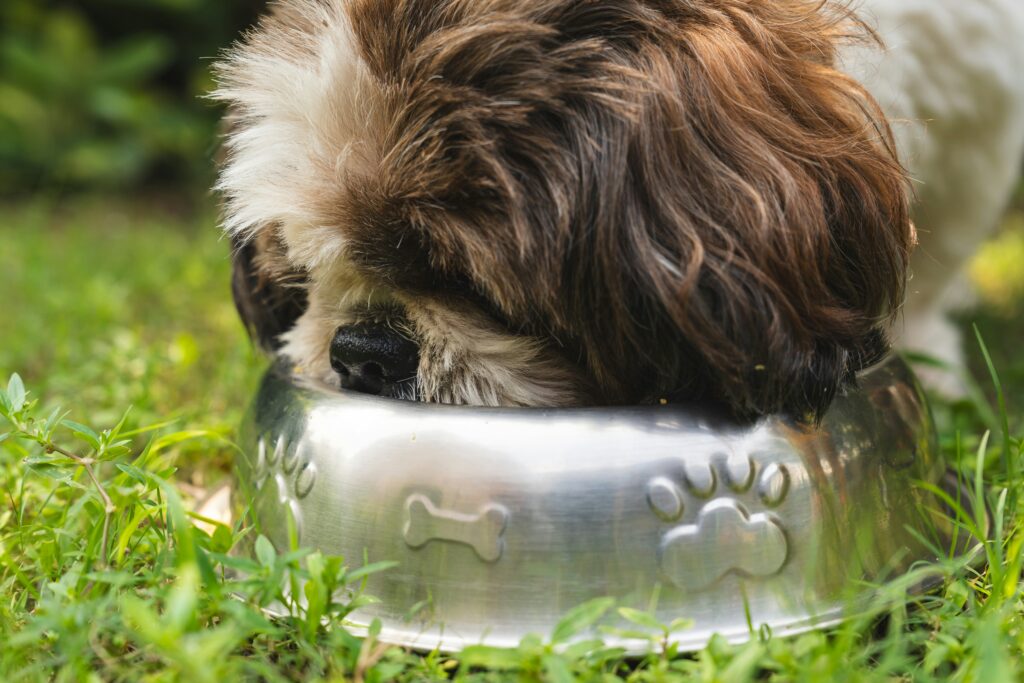
Dog with diabetes maintaining health through proper nutrition and care

While dog diabetes requires significant commitment from pet owners, most diabetic dogs can live comfortable, happy lives with appropriate management. Nutrition serves as a cornerstone of diabetes control—not as a cure or replacement for insulin therapy, but as an essential component that works alongside medical treatment to maintain stable blood glucose levels and overall health. If your dog has been diagnosed with diabetes or you have concerns about diabetes risk factors, work closely with your veterinarian to develop a comprehensive management plan that includes appropriate nutrition, insulin therapy, weight management, and regular monitoring. For questions about how Gourmet Pet Chef’s formulations can support your diabetic dog’s specific needs, contact us to discuss customized approaches that align with your veterinarian’s recommendations and your dog’s individual requirements.

How Can I Support My Dog with Diabetes Through Nutrition? Read More »

How Can I Support My Small Breed Dog’s Heart Health?

Small breed heart disease affects thousands of beloved companion dogs each year, with certain toy and small breeds facing dramatically elevated risks for developing serious cardiac conditions that can significantly shorten their lives. Cavalier King Charles Spaniels, Chihuahuas, Miniature Poodles, Yorkshire Terriers, and Maltese all show genetic predispositions to heart disease, particularly mitral valve disease which can progress from a minor heart murmur to life-threatening congestive heart failure. Understanding the unique cardiac vulnerabilities of small breed dogs and implementing heart-supportive nutrition early in life may help support cardiovascular function and potentially slow disease progression in susceptible breeds.

Small breed heart disease presents unique challenges compared to heart conditions in larger dogs, as tiny hearts work harder relative to body size and small dogs often live longer, giving heart disease more time to develop and progress. The most common form of small breed heart disease, degenerative mitral valve disease, affects nearly 100% of Cavalier King Charles Spaniels by age ten and significant percentages of other toy breeds as they age. While genetics play the primary role in small breed heart disease development, nutritional choices, body weight management, and overall health status influence how quickly the disease progresses and how well dogs maintain quality of life after diagnosis.

Why Small Breeds Face Higher Heart Disease Risk

Small breed heart disease occurs at disproportionately high rates compared to larger breeds, with genetic factors driving most cases of degenerative valve disease in toy and small dogs. The mitral valve, which prevents backward flow of blood between the heart’s chambers, undergoes degenerative changes in genetically predisposed small breeds, becoming thickened and leaky over time. According to research from the American College of Veterinary Internal Medicine, Cavalier King Charles Spaniels develop mitral valve disease 20 times more frequently than other breeds, often showing signs before age five.

Chihuahuas, despite their tiny size, face significant heart disease risks including both mitral valve disease and patent ductus arteriosus, a congenital heart defect more common in small breeds. Miniature Poodles, Yorkshire Terriers, and Pomeranians all show elevated susceptibility to chronic valvular disease, while Miniature Schnauzers may develop both valve disease and dilated cardiomyopathy. The genetic basis of small breed heart disease means that even optimal nutrition cannot prevent disease development in highly predisposed breeds, but supportive nutrition may help dogs maintain better cardiac function for longer periods.

Taurine: Essential Nutrition for Small Breed Heart Disease Prevention

Taurine, an amino acid crucial for proper cardiac muscle function, has received significant attention in veterinary cardiology following research linking taurine deficiency to certain cases of dilated cardiomyopathy. While small breeds more commonly develop valve disease rather than dilated cardiomyopathy, maintaining adequate taurine levels supports overall cardiac muscle function and electrical activity. Dogs can synthesize taurine from other amino acids, but certain breeds and individuals may have higher dietary requirements or reduced synthesis capacity, making dietary taurine intake particularly important for small breed heart disease prevention.

High-quality animal proteins like chicken and eggs naturally contain taurine along with the precursor amino acids methionine and cysteine that dogs use to synthesize additional taurine. The bioavailability of taurine varies significantly based on protein source and processing methods—fresh meat and eggs provide highly bioavailable taurine, while some processing techniques may reduce taurine content. For small breeds at risk for heart disease, ensuring adequate intake of taurine-rich proteins supports the foundation of cardiac health alongside other nutritional and medical interventions.

Omega-3 Fatty Acids and CoQ10 for Small Breed Heart Disease Support

Omega-3 fatty acids, particularly EPA and DHA from marine sources, provide important anti-inflammatory support that may benefit small dogs managing heart disease. Chronic inflammation contributes to cardiovascular stress and disease progression, and omega-3s help reduce inflammatory markers while supporting healthy blood vessel function. Research in veterinary cardiology suggests that dogs with heart disease receiving omega-3 supplementation may experience improvements in clinical signs and quality of life, though omega-3s complement rather than replace prescribed cardiac medications.

Coenzyme Q10 (CoQ10), a naturally occurring antioxidant compound involved in cellular energy production, has been studied for its potential benefits in dogs with heart disease. The heart muscle requires enormous energy to pump continuously, and CoQ10 supports mitochondrial function in cardiac cells. Some veterinary cardiologists recommend CoQ10 supplementation for dogs with heart disease, particularly those receiving certain cardiac medications that may reduce natural CoQ10 levels. While research on CoQ10 for small breed heart disease continues, preliminary studies suggest potential benefits for cardiac function when used as part of comprehensive management.

Early Detection of Small Breed Heart Disease

Small breed heart disease often develops gradually, making early detection through routine veterinary examinations crucial for optimal management. Heart murmurs—abnormal sounds caused by turbulent blood flow through leaky valves—represent the earliest detectable sign of mitral valve disease in small breeds. Regular cardiac auscultation during wellness examinations can detect murmurs years before dogs show clinical symptoms, allowing for earlier intervention and monitoring.

Warning signs that small breed heart disease may be progressing include exercise intolerance, increased respiratory rate or effort especially during rest or sleep, persistent coughing particularly at night or upon waking, reduced appetite or unexplained weight loss, and episodes of weakness or collapse. Cavalier King Charles Spaniels may develop heart murmurs as young puppies, while other small breeds typically develop detectable changes in middle age. Any small breed dog diagnosed with a heart murmur should receive cardiac evaluation including chest radiographs and echocardiography to assess disease severity and guide treatment decisions.

Gourmet Pet Chef’s Heart-Supportive Nutrition for Small Breeds

At Gourmet Pet Chef, we specifically formulate our foods to meet the needs of small dogs, including those at risk for or managing heart disease. Our chicken kibble features multiple high-quality animal protein sources naturally rich in taurine, including deboned chicken, chicken meal, and dried egg product. With a guaranteed crude protein content of not less than 28%, our formulation ensures small breeds receive substantial protein to support cardiac muscle function and overall health.

Our recipes include omega-3 fatty acids (not less than 0.6% guaranteed) from sources like menhaden fish meal and flaxseed, providing anti-inflammatory support that may benefit cardiovascular health in small breed heart disease. The combination of fish oil and flaxseed delivers both preformed omega-3s (EPA and DHA) and alpha-linolenic acid, offering comprehensive omega-3 nutrition. Our Chef Prepared fresh food contains real chicken and fish oil among its whole food ingredients, providing natural taurine and beneficial fatty acids in a fresh format that many small dogs find highly palatable.

Customized Heart-Healthy Nutrition for Small Breeds

Small breed dogs with heart disease often require individualized nutritional approaches based on disease stage, concurrent medications, body condition, and specific health needs. While our standard formulations provide excellent heart-supportive nutrition, some dogs may benefit from customized modifications. If your small breed dog has been diagnosed with heart disease or you want to optimize nutrition for heart disease prevention, contact Gourmet Pet Chef to discuss custom formulations tailored to your dog’s specific cardiac health needs.

Our customizable food options allow for precise adjustments to support dogs with various stages of heart disease, and our nutrition experts can work with your veterinary cardiologist’s recommendations to create appropriate meal plans. For dogs requiring veterinary-prescribed cardiac diets, our prescription food services can implement these requirements while maintaining ingredient quality. If your small breed has protein sensitivities requiring alternative sources, our alternative protein options ensure access to heart-supportive nutrition regardless of dietary restrictions.

Weight Management and Small Breed Heart Disease

Maintaining optimal body weight becomes critically important for small breed dogs with heart disease, as even one or two pounds of excess weight on a Chihuahua or Cavalier represents significant obesity that strains the cardiovascular system. Overweight small dogs with heart disease face increased cardiac workload, reduced exercise tolerance, and faster disease progression compared to dogs at healthy weights. However, achieving weight loss in small breeds requires careful management, as their small size means even minor calorie reductions can lead to excessive weight loss or nutrient deficiencies.

Small breed heart disease management through nutrition must balance providing adequate nutrition and protein to maintain muscle mass while avoiding excess calories that contribute to obesity. High-protein, moderate-calorie formulations help small dogs feel satisfied while supporting lean body condition. Working with your veterinarian to establish target weight ranges and monitoring body condition regularly ensures your small breed maintains the optimal weight to support cardiac function throughout their life.

Small breed dog maintaining heart health through quality nutrition

Small breed heart disease represents a significant health challenge for toy and small dogs, but with early detection, appropriate veterinary care, and heart-supportive nutrition, many affected dogs live comfortably for years after diagnosis. The combination of taurine-rich proteins, omega-3 fatty acids, and high-quality ingredients found in Gourmet Pet Chef’s formulations provides nutritional support for cardiovascular health in small breeds throughout all life stages. Remember that nutrition serves as one important component of heart disease management—always work closely with your veterinarian or veterinary cardiologist to develop comprehensive care plans that address your small breed’s individual needs. For personalized nutritional guidance specific to your dog’s cardiac health, contact Gourmet Pet Chef to explore customized solutions that support your beloved companion’s heart health and overall wellbeing.

How Can I Support My Small Breed Dog’s Heart Health? Read More »

How Can I Help My Dog with Urinary Tract Infections and Bladder Health?

Dog urinary tract infections represent painful and potentially dangerous conditions that affect thousands of dogs annually, causing frequent urination, accidents in the house, straining to urinate, blood in urine, and obvious discomfort that can significantly impact quality of life. When dogs develop urinary tract infections (UTIs), bacteria colonize the bladder and potentially the urethra or kidneys, creating inflammation and infection that requires prompt veterinary treatment with appropriate antibiotics. Understanding the factors that contribute to dog urinary tract infections and the role nutrition plays in supporting bladder health helps pet owners take proactive steps to reduce UTI recurrence and promote optimal urinary system function.

Dog urinary tract infections don’t occur in isolation—they develop when bacteria gain access to the normally sterile urinary system and conditions allow them to proliferate rather than being flushed out naturally. Female dogs experience higher UTI rates than males due to their shorter urethras, which provide easier bacterial access to the bladder. Certain breeds, dogs with diabetes, dogs with bladder stones, senior dogs, and those with weakened immune systems face increased susceptibility to urinary tract infections. While antibiotics treat active infections, dietary and lifestyle factors can influence UTI recurrence risk and overall bladder health, making nutritional management an important component of comprehensive urinary care.

Understanding Dog Urinary Tract Infections and Risk Factors

Dog urinary tract infections occur when bacteria, most commonly E. coli, enter the urinary system and establish infection in the bladder (cystitis) or potentially progress to the kidneys (pyelonephritis). According to veterinary urologists and research from the American Kennel Club, symptoms of dog urinary tract infections include frequent urination with only small amounts produced, straining or crying during urination, cloudy or bloody urine, strong-smelling urine, licking the genital area excessively, and accidents in the house despite being housetrained.

Several factors increase dog urinary tract infection risk, including inadequate water intake leading to concentrated urine and reduced bladder flushing, infrequent urination allowing bacteria more time to colonize the bladder, anatomical abnormalities that impair complete bladder emptying, bladder stones that create surfaces for bacterial adherence, hormonal changes in spayed females, and underlying conditions like diabetes or Cushing’s disease that compromise immune function. Identifying and addressing these risk factors helps prevent recurrent urinary tract infections that can cause chronic discomfort and potentially lead to more serious kidney complications.

The Importance of Hydration for Dog Urinary Tract Infections

Adequate hydration stands as one of the most critical factors in preventing dog urinary tract infections and supporting overall bladder health. Water dilutes urine, reducing bacterial concentration and making the bladder environment less hospitable for pathogen growth. More importantly, frequent urination resulting from good hydration mechanically flushes bacteria from the bladder before they can establish infection, providing a natural defense against urinary tract infections.

Many dogs, particularly those eating dry kibble exclusively, don’t consume sufficient water to maintain optimal urinary health. Increasing moisture intake through dietary modifications can significantly improve urinary tract health in susceptible dogs. High-moisture meals provide hydration directly through food, ensuring dogs receive adequate fluids even if they’re not enthusiastic water drinkers. Dogs consuming moisture-rich foods typically produce more dilute urine and urinate more frequently, both factors that help prevent dog urinary tract infections from developing or recurring.

Cranberries and Vitamin C for Dog Urinary Tract Infections

Cranberries have gained recognition for their potential role in urinary tract health, primarily due to compounds called proanthocyanidins (PACs) that may prevent bacteria from adhering to bladder wall surfaces. While research in humans has shown mixed results, the theoretical mechanism suggests that if bacteria cannot firmly attach to the bladder lining, they’re more easily flushed out during urination before establishing infection. In dogs, cranberry supplementation has been explored as a preventive measure for recurrent urinary tract infections, though it should not replace antibiotic treatment for active infections.

Vitamin C (ascorbic acid) acidifies urine, potentially creating a less favorable environment for certain bacterial species that thrive in alkaline conditions. However, urine pH management for dog urinary tract infections requires veterinary oversight, as inappropriate acidification can contribute to certain types of bladder stone formation. Some veterinarians recommend vitamin C supplementation for dogs with recurrent infections caused by bacteria that prefer alkaline environments, but this intervention should always be implemented under professional guidance based on urine culture results and pH monitoring.

Mineral Balance and Bladder Stone Prevention in Dogs

The relationship between diet and bladder stone formation significantly impacts urinary tract health in dogs. Different types of urinary stones—including struvite, calcium oxalate, urate, and cystine stones—form under specific conditions related to urine pH, mineral concentration, and genetic factors. Dog urinary tract infections can both cause and result from bladder stones, creating complicated situations that require comprehensive management addressing both infection and stone prevention.

Balanced mineral content in dog food helps prevent excessive urinary mineral concentration that can precipitate into crystals and stones. The calcium and phosphorus levels in Gourmet Pet Chef’s kibble (calcium not less than 1.10%, phosphorus not less than 0.90%) are formulated to support bone health while maintaining appropriate ratios for urinary health. However, dogs with history of specific stone types may require customized mineral modifications based on stone analysis and veterinary recommendations, as different stone types require different dietary management approaches.

Gourmet Pet Chef’s Approach to Urinary Health Support

At Gourmet Pet Chef, we recognize that supporting urinary health requires attention to multiple nutritional factors. Our chicken kibble includes organic cranberries among its antioxidant-rich ingredients, providing natural compounds that may support bladder health. The inclusion of vitamin-rich ingredients contributes to overall nutritional completeness while supporting immune function, which plays an important role in preventing dog urinary tract infections.

Our Chef Prepared fresh food offers particular advantages for dogs prone to urinary tract infections due to its unique preparation method. This dehydrated food is rehydrated with boiling water or heated in the microwave before serving, creating a high-moisture meal that significantly increases your dog’s fluid intake. By adding water directly to the food, you ensure your dog receives substantial hydration with every meal, promoting frequent urination and natural bladder flushing that helps prevent bacterial colonization.

Customized Nutrition for Dogs with Chronic UTIs

Dogs with recurrent urinary tract infections often benefit from tailored nutritional approaches that address their specific risk factors and stone formation tendencies. Some dogs require increased moisture beyond what standard feeding provides, while others need specific mineral modifications to prevent particular stone types. If your dog experiences frequent UTIs or has been diagnosed with bladder stones, working with veterinary guidance to optimize nutrition becomes essential.

For dogs with complex urinary health needs, our customizable food options allow for precise modifications based on veterinary recommendations and urine analysis results. Contact Gourmet Pet Chef to discuss custom formulations specifically designed for your dog’s urinary health requirements. Our nutrition experts can work with your veterinarian’s recommendations to develop meal plans that support bladder health while ensuring complete nutrition. When veterinarians prescribe specific therapeutic diets for managing recurrent urinary tract infections or bladder stones, our prescription food services can accommodate these requirements. Dogs with protein sensitivities or requiring alternative protein sources can explore our alternative protein options while maintaining urinary health support.

Comprehensive Management of Dog Urinary Tract Infections

Successfully preventing recurrent dog urinary tract infections requires a multi-faceted approach combining veterinary care, appropriate antibiotic treatment when needed, dietary modifications, and lifestyle management. Ensuring dogs have frequent opportunities to urinate prevents urine stagnation and bacterial proliferation. Maintaining clean genital areas, particularly in dogs with skin folds or heavy coats, reduces bacterial populations that could ascend into the urinary tract.

Dog staying hydrated to support urinary tract health and prevent infections

Regular veterinary monitoring for dogs with UTI history allows for early detection and intervention if infections recur. Urinalysis and urine culture help identify specific bacterial species and appropriate antibiotic selection, preventing antibiotic resistance that can develop when infections are treated empirically without culture guidance. If your dog continues experiencing urinary tract infections despite initial dietary and management changes, contact Gourmet Pet Chef to explore additional nutritional strategies and discuss whether custom formulations might better address your dog’s specific urinary health challenges. Through collaboration between pet owners, veterinarians, and nutrition experts, most dogs with recurrent UTIs can achieve better bladder health and reduced infection frequency, improving comfort and quality of life significantly.

How Can I Help My Dog with Urinary Tract Infections and Bladder Health? Read More »

How Can I Support My Dog with Kidney Disease Through Diet?

Dog kidney disease, also called chronic kidney disease (CKD) or renal disease, affects thousands of dogs each year and requires specialized nutritional management to slow disease progression and maintain quality of life. When dogs develop kidney disease, their kidneys gradually lose the ability to filter waste products from the blood, regulate hydration and electrolyte balance, and produce hormones that control red blood cell production and blood pressure. Proper nutrition becomes critically important for dogs with kidney disease, as dietary modifications can significantly reduce the workload on compromised kidneys and help manage symptoms that diminish comfort and wellbeing.

Understanding dog kidney disease nutrition requirements is essential for pet owners because this condition demands careful attention to specific nutrient levels that differ significantly from standard dog food formulations. Unlike many other health conditions where general dietary improvements may help, dog kidney disease requires precision nutrition with controlled levels of phosphorus, modified protein content, and specific nutrient ratios that can only be appropriately determined through veterinary assessment and ongoing monitoring. This makes working with your veterinarian or veterinary nutritionist absolutely essential when managing kidney disease through diet.

Understanding Dog Kidney Disease and Nutritional Needs

Dog kidney disease progresses through stages, from early kidney dysfunction with minimal symptoms to advanced disease causing significant clinical signs like increased thirst and urination, decreased appetite, weight loss, vomiting, and lethargy. According to the International Renal Interest Society (IRIS), kidney disease staging helps veterinarians determine appropriate treatment protocols including specific dietary recommendations based on disease severity and laboratory values. Early-stage kidney disease may require minimal dietary modifications, while advanced disease necessitates carefully formulated therapeutic diets.

The primary nutritional goals for dogs with kidney disease include reducing phosphorus intake to slow disease progression, providing appropriate protein levels to minimize waste product accumulation while preventing malnutrition, ensuring adequate calorie intake to maintain body condition, and incorporating nutrients that support kidney function and reduce inflammation. Each dog’s specific requirements vary based on disease stage, concurrent health conditions, and individual response to dietary interventions, making personalized nutritional planning essential.

The Critical Importance of Phosphorus Restriction in Dog Kidney Disease

Phosphorus restriction represents the single most important dietary modification for dogs with kidney disease, as elevated blood phosphorus levels directly contribute to disease progression and reduced survival time. As kidneys fail, they lose the ability to excrete excess phosphorus, leading to hyperphosphatemia (elevated blood phosphorus) that causes secondary hyperparathyroidism, mineral deposition in soft tissues, and further kidney damage. Research in veterinary nephrology consistently demonstrates that dogs with kidney disease fed low-phosphorus diets live significantly longer than those consuming standard phosphorus levels.

Different protein sources contain varying phosphorus levels, with some meats like chicken and eggs providing lower phosphorus-to-protein ratios compared to red meats and organ meats. However, simply choosing lower-phosphorus protein sources isn’t sufficient for managing kidney disease—the total dietary phosphorus must be carefully calculated and controlled to meet therapeutic targets specific to each dog’s disease stage. Commercial therapeutic kidney diets undergo precise formulation to achieve appropriate phosphorus restriction while maintaining nutritional adequacy, which is extremely difficult to replicate with standard pet foods or home-prepared diets without professional nutritional guidance.

Protein Considerations for Dogs with Kidney Disease

Protein requirements for dogs with kidney disease represent a delicate balance—too much protein increases the production of nitrogenous waste products that failing kidneys struggle to eliminate, while insufficient protein leads to muscle wasting and malnutrition. Current veterinary nutrition guidelines recommend moderate protein restriction using exceptionally high-quality, highly digestible protein sources that provide essential amino acids with minimal waste product generation. The protein quality matters as much as the quantity for dogs with kidney disease.

Chicken provides a highly digestible protein source with excellent amino acid profile and relatively lower phosphorus content compared to some other meats, making it often suitable for kidney-friendly formulations when properly balanced. Eggs offer extremely high biological value protein with excellent digestibility. However, the appropriate protein level for any individual dog with kidney disease must be determined by their veterinarian based on disease stage, body condition, blood work results, and clinical symptoms—there is no one-size-fits-all protein recommendation.

Omega-3 Fatty Acids and Antioxidants for Dog Kidney Disease Support

Omega-3 fatty acids, particularly EPA and DHA from marine sources, provide important anti-inflammatory benefits that may help slow kidney disease progression in dogs. Research published in veterinary journals demonstrates that omega-3 supplementation can reduce proteinuria (protein loss in urine), decrease inflammatory markers, and potentially improve kidney function parameters in dogs with chronic kidney disease. The anti-inflammatory effects of omega-3s may help protect remaining functional kidney tissue from ongoing damage.

Antioxidants help combat oxidative stress that contributes to progressive kidney damage in dogs with kidney disease. Vitamins E and C, along with various phytonutrients from fruits and vegetables, provide antioxidant protection that may support kidney health. While antioxidants alone cannot treat kidney disease, they represent beneficial supportive nutrients when incorporated appropriately into therapeutic kidney diets that meet all other nutritional requirements for managing this condition.

Why Kidney Disease Requires Veterinary-Prescribed Nutrition

Dog kidney disease represents one of the few conditions where pet owners should never attempt dietary management without explicit veterinary guidance and prescription formulations. The precise nutrient requirements change based on disease stage and individual response, requiring regular blood work monitoring and dietary adjustments. Inappropriately formulated diets—even with good intentions—can accelerate disease progression, worsen clinical symptoms, and significantly shorten survival time.

Therapeutic kidney diets undergo extensive testing to ensure they meet strict nutrient profiles that support dogs with various stages of kidney disease. These formulations carefully balance phosphorus restriction with adequate protein, appropriate calorie density, controlled sodium levels, potassium supplementation when needed, B-vitamin fortification to replace urinary losses, and omega-3 fatty acid inclusion. Attempting to replicate these precise formulations without professional guidance risks creating nutritional imbalances that harm rather than help dogs with kidney disease.

Gourmet Pet Chef’s Prescription and Custom Solutions for Dog Kidney Disease

At Gourmet Pet Chef, we understand that dogs with kidney disease require specialized nutrition that standard formulations cannot provide. While our regular chicken kibble and Chef Prepared fresh food offer excellent nutrition for healthy dogs, they are not formulated as therapeutic kidney diets and should not be fed to dogs with diagnosed kidney disease without veterinary approval.

For dogs requiring kidney-specific nutrition, our prescription food services work directly with your veterinarian’s dietary recommendations to create appropriate formulations using high-quality ingredients. We can formulate low-phosphorus recipes using carefully selected protein sources like chicken and eggs, incorporate omega-3 fatty acids and antioxidants, and adjust nutrient levels precisely to meet your dog’s therapeutic requirements as prescribed by their veterinarian.

Custom Kidney-Friendly Formulations for Your Dog’s Specific Needs

Every dog with kidney disease has unique nutritional requirements based on their disease stage, laboratory values, body condition, concurrent health issues, and individual tolerance. Our customizable food options allow for precise modifications to create kidney-friendly formulations that align with your veterinarian’s specific recommendations for phosphorus restriction, protein levels, and other critical nutrients.

If your dog has been diagnosed with kidney disease and requires a therapeutic diet, contact Gourmet Pet Chef to discuss custom formulation options. Our nutrition experts can work with your veterinarian to develop appropriate kidney-friendly recipes that provide the precise nutrient control necessary for managing this serious condition while using our high-quality, real-food ingredients. We can also accommodate dogs who need kidney diets but have additional dietary restrictions due to allergies or sensitivities by utilizing our alternative protein options in custom therapeutic formulations.

Monitoring and Adjusting Nutrition for Dogs with Kidney Disease

Successful nutritional management of dog kidney disease requires ongoing monitoring through regular veterinary examinations and blood work to assess kidney function parameters, phosphorus levels, protein status, and overall health. As kidney disease progresses or stabilizes, dietary requirements often change, necessitating adjustments to therapeutic formulations. Some dogs initially resist therapeutic kidney diets due to palatability concerns or decreased appetite associated with uremia, requiring creative feeding strategies and potentially customized flavoring approaches.

Senior dog thriving with proper kidney disease nutrition and veterinary care

The transition to a kidney-friendly diet should occur gradually over 7-10 days to allow digestive adaptation and encourage acceptance, though dogs with advanced kidney disease and severe symptoms may need faster transitions under veterinary guidance. Maintaining adequate calorie intake becomes paramount—dogs with kidney disease who stop eating or lose significant body condition have much poorer prognoses than those maintaining stable weight on appropriate therapeutic diets.

If you’re struggling to manage your dog’s kidney disease nutrition or need help implementing your veterinarian’s dietary recommendations, contact Gourmet Pet Chef to explore how our custom formulation services can provide kidney-appropriate nutrition your dog will actually eat. While dog kidney disease remains a serious progressive condition, appropriate therapeutic nutrition combined with veterinary medical management can significantly improve quality of life and extend the time you have with your beloved companion.

How Can I Support My Dog with Kidney Disease Through Diet? Read More »

How Can I Help My Underweight Dog Gain Weight Safely?

Underweight dogs face significant health challenges that extend beyond appearance, as insufficient body weight often indicates inadequate nutrition, underlying medical conditions, or metabolic issues that require immediate attention. When dogs are underweight, they lack essential fat reserves and muscle mass needed for energy, immune function, temperature regulation, and overall resilience, making them more vulnerable to illness and slower to recover from stress or disease. Understanding the causes behind weight loss in dogs and implementing appropriate nutritional strategies to support healthy weight gain becomes crucial for restoring your dog’s vitality and long-term wellbeing.

Underweight dogs present in various contexts—some never achieve appropriate body condition despite eating normally, while others lose weight due to illness, stress, high activity levels, or poor-quality diets that fail to meet their nutritional needs. Identifying whether your dog is truly underweight requires assessing body condition score rather than relying solely on scale weight, as appropriate weight varies significantly based on breed, age, and individual body structure. Dogs with visible ribs, prominent hip bones, a severely tucked waist, and no palpable fat covering require nutritional intervention, though any significant weight loss warrants veterinary evaluation to rule out underlying health issues.

Common Causes of Weight Loss in Underweight Dogs

Underweight dogs may struggle with insufficient caloric intake for numerous reasons, including extremely high metabolisms common in certain breeds like Greyhounds, Whippets, and Belgian Malinois, which burn calories at rates that challenge even high-quality feeding regimens. Gastrointestinal disorders affecting nutrient absorption, such as inflammatory bowel disease, exocrine pancreatic insufficiency, or intestinal parasites, can cause dogs to remain underweight despite consuming adequate food quantities. Dental disease, oral pain, or difficulty chewing may reduce food intake, while stress, anxiety, or environmental changes can suppress appetite and lead to progressive weight loss.

According to veterinary nutrition experts and research from Tufts University Cummings School of Veterinary Medicine, medical conditions including hyperthyroidism, diabetes, kidney disease, liver disease, and cancer commonly cause weight loss in dogs and must be diagnosed and treated appropriately before nutritional interventions can succeed. Some underweight dogs simply receive insufficient calories for their activity level or life stage, particularly working dogs, nursing mothers, or puppies during rapid growth phases. Understanding the underlying cause of your dog being underweight is essential—always consult your veterinarian before implementing weight gain protocols to ensure you’re addressing root causes rather than masking serious health issues.

The Role of Calorie Density for Underweight Dogs

Successfully helping underweight dogs gain weight requires providing more calories than they expend daily, creating a positive energy balance that allows for fat deposition and muscle development. However, simply increasing food volume often proves ineffective or counterproductive, as many underweight dogs have limited stomach capacity, reduced appetite, or digestive systems that struggle with large meal volumes. Calorie-dense nutrition—foods that pack significant calories into smaller serving sizes—offers the optimal solution for underweight dogs, allowing them to consume adequate energy without overwhelming their digestive capacity.

High-quality fats provide the most concentrated calorie source available, delivering 9 calories per gram compared to 4 calories per gram from proteins and carbohydrates. For underweight dogs, increasing dietary fat content through ingredients like chicken fat and coconut oil provides efficient energy in small volumes while supporting absorption of fat-soluble vitamins and contributing to coat health and palatability. The fat content in properly formulated dog foods provides sustained energy that supports weight gain without causing digestive upset when introduced gradually and appropriately balanced with other nutrients.

Protein Requirements for Healthy Weight Gain in Underweight Dogs

While fat provides concentrated calories, high-quality protein remains essential for underweight dogs to build lean muscle mass rather than simply depositing fat. Dogs gaining weight on low-protein, high-calorie diets may increase body weight without improving body condition or functional capacity. Adequate protein intake ensures that weight gain includes muscle development, supporting strength, mobility, and metabolic health rather than creating overweight dogs with poor muscle tone.

Digestibility of protein sources significantly impacts their usefulness for underweight dogs, as poorly digestible proteins pass through the system without providing nutritional benefit while potentially causing digestive upset. Whole meat proteins from chicken, beef, or fish offer highly digestible amino acid profiles that underweight dogs can efficiently utilize for tissue building and repair. The biological value and digestibility of protein sources in dog food directly affects how effectively underweight dogs can convert dietary protein into lean body mass during weight gain efforts.

Gourmet Pet Chef’s Nutrient-Dense Nutrition for Underweight Dogs

At Gourmet Pet Chef, our formulations provide the calorie density and nutritional quality that underweight dogs need for successful, healthy weight gain. Our chicken kibble delivers not less than 28% crude protein from highly digestible meat sources including deboned chicken, chicken meal, and menhaden fish meal, providing the essential amino acids underweight dogs require for building lean muscle mass. With a crude fat content of not less than 15% from quality sources like chicken fat and coconut oil, our kibble offers concentrated calories in a nutrient-dense format.

The inclusion of coconut oil provides medium-chain triglycerides (MCTs) that are rapidly absorbed and converted to energy, making them particularly valuable for underweight dogs who need efficient calorie utilization. Our formulation also includes omega-3 fatty acids (not less than 0.6%) and omega-6 fatty acids (not less than 2.6%) that support overall health while providing additional caloric density. For underweight dogs requiring different formats, our Chef Prepared fresh food offers whole food nutrition with real chicken as the primary ingredient, easily digestible for dogs with sensitive systems.

Feeding Strategies for Underweight Dogs

Successfully helping underweight dogs gain weight often requires adjusting feeding frequency and portion sizes beyond standard recommendations. Many underweight dogs benefit from multiple smaller meals throughout the day rather than one or two large feedings, as this approach prevents overwhelming their digestive capacity while maintaining steady energy availability. Some underweight dogs respond better to free-choice feeding if they’re not food-motivated, though this approach requires monitoring to ensure consistent intake.

Enhancing palatability encourages increased food consumption in underweight dogs with reduced appetite. Warming food slightly, adding warm water or bone broth, or mixing wet and dry formats can make meals more enticing. For dogs recovering from illness or managing conditions that suppress appetite, hand-feeding or providing positive feeding experiences may encourage better intake. Consistency in feeding times, locations, and routines helps anxious dogs feel secure enough to eat adequately.

Customized Nutrition Plans for Underweight Dogs

Every underweight dog presents unique challenges requiring individualized approaches to achieve successful weight gain. Some need extremely high calorie density due to metabolic disorders, while others require specific protein sources due to food sensitivities complicating their underweight condition. Our customizable food options allow for precise nutritional modifications addressing individual needs, whether that involves adjusting fat levels, incorporating specific ingredients, or creating formulations that work within dietary restrictions.

If your dog struggles to gain weight despite your best efforts, contact Gourmet Pet Chef to discuss custom formulations specifically designed for your dog’s unique situation. Our nutrition experts can help develop calorie-dense meal plans that address your underweight dog’s specific challenges while ensuring complete and balanced nutrition. For underweight dogs requiring veterinary-prescribed nutritional interventions, our prescription food services can accommodate these requirements using our high-quality ingredients. Dogs with protein sensitivities may benefit from exploring our alternative protein options to identify the most digestible and appropriate protein source for their individual needs.

Monitoring Progress and Adjusting Strategies for Underweight Dogs

Helping underweight dogs achieve healthy body condition requires patience and careful monitoring, as safe weight gain typically occurs at 1-2% of body weight per week. Rapid weight gain can indicate fluid retention or other health issues rather than genuine improvement, while excessively fast weight gain may stress the cardiovascular system or lead to nutritional imbalances. Weekly weighing and body condition scoring help track progress and identify when feeding adjustments are necessary.

Healthy dog at ideal weight with proper muscle condition

Working closely with your veterinarian throughout the weight gain process ensures underlying health issues receive appropriate treatment while nutritional interventions proceed safely. Some underweight dogs require medication adjustments, parasite treatment, or management of concurrent conditions before successful weight gain becomes possible. Regular veterinary monitoring allows for early identification of complications and adjustment of strategies as needed. If your underweight dog isn’t responding to increased calories and improved nutrition, contact Gourmet Pet Chef for additional support and consider requesting your veterinarian perform diagnostic testing to identify any underlying medical conditions preventing healthy weight gain. With appropriate veterinary care, targeted nutrition, and patient consistency, most underweight dogs can achieve and maintain healthy body condition that supports long, active, comfortable lives.

How Can I Help My Underweight Dog Gain Weight Safely? Read More »

How Can I Support My Puppy’s Growth and Development?

Puppy growth and development represents one of the most critical phases in a dog’s life, establishing the foundation for lifelong health, bone strength, muscle development, and neurological function. During the first year of life, puppies experience rapid physical changes requiring precise nutritional support to ensure proper skeletal formation, muscle growth, and organ development without creating imbalances that could lead to orthopedic problems or developmental disorders. Understanding the unique nutritional needs during puppy growth and development helps pet owners make informed feeding decisions that give their puppies the best possible start in life.

Puppy growth and development occurs at dramatically different rates depending on breed size, with small breed puppies reaching adult size by 9-12 months while giant breed puppies may continue growing until 18-24 months of age. This variability means nutritional requirements during puppy growth and development must be carefully balanced—too much calcium can cause skeletal abnormalities in large breed puppies, while insufficient protein limits muscle development in all puppies. The complexity of puppy nutrition has led to specialized formulations designed to support healthy growth without promoting excessive rapid development that stresses developing bones and joints.

Critical Nutrients for Puppy Growth and Development

Puppy growth and development requires several key nutrients in specific ratios to support healthy maturation. Calcium and phosphorus represent perhaps the most critical minerals for skeletal development, needing careful balance to ensure proper bone mineralization without causing developmental orthopedic disease. According to the Association of American Feed Control Officials (AAFCO), puppy foods should contain calcium levels between 1.0-2.5% on a dry matter basis, with calcium-to-phosphorus ratios maintained between 1:1 and 2:1 for optimal bone development.

Protein requirements during puppy growth and development exceed adult maintenance needs, as puppies use amino acids not just for energy but for building new tissue throughout their rapidly growing bodies. High-quality, digestible protein sources provide the essential amino acids necessary for muscle development, organ formation, and immune system maturation. The protein quality matters significantly—animal-based proteins offer complete amino acid profiles that support puppy growth and development more effectively than plant-based proteins with limiting amino acids.

The Role of DHA and Omega-3s in Puppy Brain Development

DHA (docosahexaenoic acid), a long-chain omega-3 fatty acid, plays a crucial role in neurological development during puppy growth and development, particularly affecting brain and retinal formation. Research in veterinary nutrition has demonstrated that puppies receiving adequate DHA during critical developmental periods show enhanced trainability, improved cognitive function, and better visual acuity compared to puppies with insufficient DHA intake. The developing brain accumulates DHA rapidly during late gestation and early postnatal life, making adequate maternal nutrition and early puppy feeding critical for optimal neurological outcomes.

Natural sources of DHA include fish oil and fish meal, which provide EPA and DHA in bioavailable forms that puppies can utilize directly for incorporation into developing neural tissues. Unlike ALA (alpha-linolenic acid) from plant sources like flaxseed, which requires conversion to EPA and DHA—a process that’s inefficient in dogs—marine-derived omega-3s provide direct access to these essential fatty acids crucial for puppy growth and development. According to veterinary nutritionists, puppy foods should contain at least 0.05% DHA on a dry matter basis to support optimal cognitive development.

Calcium and Phosphorus Balance for Healthy Puppy Bones

The calcium-to-phosphorus ratio during puppy growth and development profoundly impacts skeletal health and the risk of developmental orthopedic diseases. Excess calcium, particularly in large and giant breed puppies, can lead to conditions like osteochondrosis, hip dysplasia, and other growth abnormalities by disrupting normal cartilage maturation and bone remodeling. Conversely, calcium deficiency results in poor bone mineralization, weak bones, and potential nutritional secondary hyperparathyroidism that weakens the entire skeleton.

Phosphorus plays equally important roles in puppy growth and development, serving as a key component of bone mineral and participating in energy metabolism through ATP production. Different protein sources contain varying phosphorus levels—some meats are naturally lower in phosphorus while organs and certain fish contain higher concentrations. Formulating puppy foods requires careful attention to these variations to achieve appropriate calcium-to-phosphorus ratios that support healthy bone development without excess that could harm growing puppies.

Protein Requirements for Puppy Muscle Development

During puppy growth and development, protein serves multiple essential functions beyond simply building muscle tissue. Amino acids from dietary protein support antibody production for developing immune systems, enzyme synthesis for metabolic processes, hormone production for growth regulation, and tissue repair throughout the body. Puppies require approximately 22-32% protein on a dry matter basis depending on their age and growth stage, with higher requirements during peak growth periods.

The quality and digestibility of protein sources significantly impact how effectively puppies utilize dietary protein for growth and development. Whole meat proteins, meat meals, and fish meals provide highly digestible, complete amino acid profiles that support all aspects of puppy growth and development. Processing methods affect protein digestibility—gentle cooking preserves amino acid availability while excessive heat processing can damage proteins and reduce their nutritional value for growing puppies.

Gourmet Pet Chef’s Approach to Puppy Nutrition

At Gourmet Pet Chef, our formulations provide comprehensive nutrition suitable for puppies and small dogs requiring support during growth and development. Our chicken kibble delivers high-quality protein with a guaranteed crude protein content of not less than 28%, supporting muscle development and overall tissue growth during critical developmental periods. The formulation includes multiple animal protein sources—deboned chicken, chicken meal, and menhaden fish meal—providing complete amino acid profiles essential for puppy growth and development.

Our guaranteed analysis shows calcium content of not less than 1.10% and phosphorus content of not less than 0.90%, providing these essential minerals in a ratio that supports healthy bone development. The inclusion of omega-3 fatty acids (not less than 0.6% guaranteed) from sources including fish meal and flaxseed provides beneficial fatty acids that support puppy growth and development, particularly neurological maturation. Menhaden fish meal contributes marine-derived omega-3s including DHA, which specifically supports brain and eye development during early life stages.

Our Chef Prepared fresh food offers an alternative format featuring real chicken and fish oil among its whole food ingredients, providing natural sources of protein and beneficial omega-3 fatty acids for puppies who may prefer fresh food textures. The inclusion of egg shell powder provides a natural calcium source, while the overall ingredient profile delivers balanced nutrition supporting healthy puppy growth and development.

Customizing Nutrition for Individual Puppy Needs

While our standard formulations provide excellent foundations for puppy growth and development, some puppies may have specific requirements based on breed size, growth rate, or individual health considerations. Large and giant breed puppies require particularly careful nutritional management to prevent developmental orthopedic diseases, while toy breed puppies have different caloric density needs due to their rapid metabolism and small stomach capacity. If your puppy has unique nutritional requirements or you’re concerned about optimal nutrition during this critical growth phase, contact Gourmet Pet Chef to discuss customized formulations tailored to your puppy’s specific needs.

Our customizable food options allow for modifications that address breed-specific concerns or individual health considerations while maintaining nutritional completeness for puppy growth and development. For puppies with food sensitivities or those requiring alternative protein sources, our alternative protein options including beef and fish-based formulations provide the same commitment to quality nutrition with different protein sources. If your veterinarian has recommended specific dietary interventions for your growing puppy, our prescription food services can accommodate these requirements while supporting healthy development.

Monitoring Puppy Growth and Development

Successfully supporting puppy growth and development requires regular monitoring to ensure appropriate growth rate and body condition throughout the critical first year. Puppies should be weighed regularly—weekly for small breeds and twice weekly for large breeds—to track growth curves and adjust feeding amounts accordingly. Overfeeding during puppy growth and development can lead to obesity and excessive growth rates that stress developing bones and joints, while underfeeding results in poor development and potential nutritional deficiencies.

Healthy puppy with strong growth and development supported by proper nutrition

Working with your veterinarian to monitor puppy growth and development ensures early identification of any concerns and allows for timely nutritional adjustments if needed. Veterinarians can assess body condition score, evaluate growth rate against breed-specific curves, and provide guidance on transitioning from puppy to adult food at the appropriate time. Remember that the foundation established during puppy growth and development influences lifelong health—investing in proper nutrition during these critical months pays dividends throughout your dog’s entire life. If you have questions about supporting your puppy’s specific growth and development needs, contact Gourmet Pet Chef to connect with our nutrition experts who can help ensure your puppy receives optimal nutrition for a healthy start in life.

How Can I Support My Puppy’s Growth and Development? Read More »

Pork kibble is coming soon!

Subscribe to our newsletter to be kept up to date on Gourmet Pet Chef and new releases.

GourmetPetChef.com Small Kibble Dog Food

Get 25% off your next order!

Subscribe to our newsletter to claim your discount.
GourmetPetChef.com Small Kibble Dog Food

Get 25% off your next order!

Subscribe to our newsletter to claim your discount.